
- Release Year: 2003
- Platforms: Windows
- Publisher: Wolf Mittag Software Development
- Developer: Wolf Mittag Software Development
- Genre: Role-playing (RPG)
- Perspective: Isometric
- Game Mode: Single-player
- Gameplay: Exploration, Quests, Turn-based combat
- Setting: Ancient Roman, Classical antiquity, Europe
Description
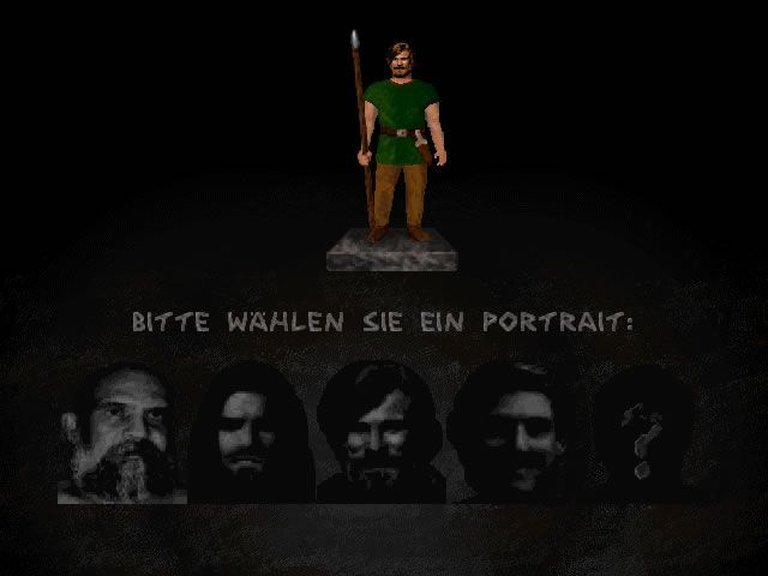
Teudogar and the Alliance with Rome is a historically accurate RPG set during the reign of Emperor Augustus in classical antiquity Europe, where players embody a member of the Teutonic city of Teudogar, facing the pivotal choice between forging an alliance with Rome or uniting tribes to resist it. Inspired by Ultima VII, it features isometric exploration, extensive NPC interactions, open-world freedom, turn-based combat with wounding penalties, and a ‘learning by doing’ character progression system, all supported by meticulous research and an in-game encyclopedia.
Teudogar and the Alliance with Rome Free Download
Teudogar and the Alliance with Rome: Review
Introduction
In the shadow of Rome’s eternal legions, where the clash of iron and the whispers of druids echo through mist-shrouded forests, emerges a game that dares to ask: alliance or annihilation? Teudogar and the Alliance with Rome (2003), a solitary beacon of historical fidelity in the RPG wilderness, thrusts players into the heart of 12 B.C. Germania, embodying the Teutonic struggle against Augustus’s expanding empire. Developed by the enigmatic Wolf Mittag Software Development, this isometric RPG has languished in obscurity—collected by a mere handful of enthusiasts on platforms like MobyGames—yet its uncompromising commitment to authenticity cements it as a cult artifact. My thesis: Teudogar is not merely a game but a meticulously crafted time capsule, blending Ultima VII-style freedom with rigorous historical scholarship to deliver a profound meditation on cultural collision, flawed only by its indie austerity.
Development History & Context
Wolf Mittag Software Development, a one-man powerhouse led by visionary polymath Wolf Mittag, birthed Teudogar in 2003 amid a gaming landscape dominated by flashy 3D spectacles like Morrowind and real-time action-RPGs such as Diablo II. Mittag—credited across design, programming, text, and world-building—embodied the indie ethos of the early 2000s, when tools like DirectX and accessible Windows development kits empowered solo creators to rival AAA polish on shoestring budgets. Collaborators were sparse: Cologne-based artist Arne Niemuth handled graphics and animation, translators Volker Schlanze, Patrick Mumpower, and Pasquale Maiellaro localized it from German, and the soundtrack drew from 19th-century composer Richard Wagner’s sweeping operas, repurposed for dramatic irony.
Technological constraints defined the project: fully mouse-driven isometric visuals harkened to 1990s gems like Ultima VII: The Black Gate (1992), eschewing polygons for sprite-based efficiency on CD-ROM and early downloads. Released as shareware (later $14.95, updated to v1.02 in 2011), it navigated a post-Baldur’s Gate era craving deep narratives but flooded with fantasy clones. Mittag’s vision—historical accuracy over escapism—mirrored niche contemporaries like Rome: Total War (2004), yet predated them, positioning Teudogar as a prescient indie experiment in educational gaming amid the bubble of browser Flash titles and MMORPG hype.
Narrative & Thematic Deep Dive
At its core, Teudogar unfolds a branching epic set in 12 B.C., during Augustus’s campaigns to subjugate Germania Magna. Players embody a tribesman from the eponymous Teudogar settlement, navigating a pivotal dilemma: forge an alliance with Rome for survival, or rally fractious Teutonic clans—Cherusci, Marcomanni, and others—for defiant war. This binary choice spawns multiple storylines, weaving negotiations in opulent Roman camps, bloody skirmishes in sacred groves, and intrigues within thatched longhouses.
Plot Structure and Player Agency
The narrative eschews linear rails for Ultima VII-inspired sandbox freedom: pursue the main quest (diplomacy vs. unification) or digress into side adventures like peasant disputes or druidic rituals. Key pivots include audiences with Roman legates, tribal moot assemblies, and espionage against collaborators, culminating in high-stakes battles echoing Varus’s historical Teutoburg Forest disaster (9 A.D., though temporally adjacent). Dialogue trees, rich with period lexicon (Latin commands, Proto-Germanic oaths), branch dynamically—betray your chieftain for Roman gold, or incite rebellion via prophetic visions?
Characters and Dialogue
Mittag’s text shines in authenticity: no anachronistic quips, but terse, evocative exchanges drawn from Tacitus and archaeological sources. The protagonist is a silent cipher, but NPCs pulse with life—fierce priestesses invoking Nerthus, grizzled warriors scarred by prior raids, opportunistic Roman centurions offering foedus pacts. Standouts include tribal elders debating thing assemblies and scheming druids, their motivations layered: survivalism vs. cultural purity. Dialogue isn’t keyword-parsed like Ultima but context-sensitive, rewarding exploration with lore dumps via an in-game encyclopedia detailing Teutonic runes, Roman contubernia, and Augustus’s Res Gestae.
Themes
Teudogar probes imperialism’s double edge: Rome’s aqueducts and legions promise prosperity, yet erode Teutonic autonomy, mirroring real 1st-century ethnogenesis. Themes of identity, betrayal, and inexorable change resonate—alliances breed hybridity (Latinized villages), resistance fosters heroism but invites annihilation. Subtle anti-colonial undertones critique Augustus’s “pacification,” substantiated by the encyclopedia’s 100+ entries, transforming gameplay into interactive historiography.
Gameplay Mechanics & Systems
Teudogar‘s loops evoke Ultima VII’s holistic simulation: point-and-click isometric traversal (mouse-only, no keyboard crutches) across a sprawling Germania, punctuated by dialogue, quests, and turn-based combat. Freedom reigns—ignore plot for forest foraging or hut-robbing— but consequences loom: theft sours NPC relations, stranding quests.
Core Loops and Progression
“Learning by doing” governs advancement: wield a framea spear repeatedly to hone spearmanship; barter hides to boost trade savvy. No XP grind—skills accrue organically, fostering emergent playstyles (stealthy scout or brute warrior). Inventory management mirrors reality: encumbrance from chainmail slows you, wounds (tracked per limb?) cascade into debuffs, turning attrition battles dire. Quests blend fetch (herbs for rituals), escort (smuggling envoys), and moral dilemmas (sacrifice a captive?).
Combat Deconstruction
Turn-based purity shines: gridless positioning ala Fallout, with initiative based on fatigue. Strikes target foes’ vitality; injuries degrade stats exponentially— a gashed arm hampers shields, bloodied legs cripple pursuit. Warriors, priestesses, and legionaries demand tactical nous: Teutons excel in ambushes, Romans in formations. Flaws emerge in repetitiveness—limited enemy variety—but innovations like environmental hazards (bog mires) and morale breaks add depth.
UI and Controls
Mouse-centric interface is intuitive: right-click move/interact, left-drag items, radial menus for skills. Clunky by modern standards (no tooltips?), yet era-appropriate; the encyclopedia integrates seamlessly as a hotkeyed codex, mitigating opacity.
World-Building, Art & Sound
Teudogar‘s Germania pulses with verisimilitude: mud-churned tracks link thatched oppidum to marble castra, sacred groves harbor mist-veiled altars, royal halls reek of mead and intrigue. Scale impresses—Mittag’s world spans Rhine frontiers to Jutland, densely populated with 100+ NPCs, dynamic events (raids, harvests), and reactive ecology (wolves stalk wounded prey).
Visual Direction
Arne Niemuth’s isometric sprites exude handcrafted charm: Teutonic tunics fray realistically, Roman lorica segmentata gleams under torchlight. Palette evokes Tacitean gloom—earthy browns, foggy blues—prioritizing mood over spectacle. Animations are fluid (spear thrusts, shield bashes), though low-res (sub-800×600?) betrays indie limits; scrolling is smooth, fog-of-war unveils secrets organically.
Atmosphere and Sound
Wagner’s leitmotifs—Ride of the Valkyries for charges, Siegfried dirges for defeats—infuse Teutonic defiance with mythic grandeur, clashing ironically with Roman pragmatism. Ambient layers (crowd murmurs, forge hammers, owl hoots) and spot SFX (clanging gladii) build immersion, sans voice acting. Collectively, they forge a tactile antiquity, where every pixel and note screams authenticity.
Reception & Legacy
Launched to crickets—no MobyGames critic reviews, zero player scores—Teudogar flopped commercially, its shareware model and obscurity (10 collectors on MobyGames) dooming visibility amid 2003’s Warcraft III frenzy. Yet whispers persist: GOG Dreamlist upvotes (90+), a 2025 user reminiscing childhood awe at its “awesome story and challenging battles,” and rbytes.net’s promo hail it a “classic RPG.” Reputation evolved via abandonware nostalgia, positioning it as a hidden gem for history buffs.
Influence is subtle but seminal: presaged Total War: Rome II‘s campaigns, inspired indie historico-RPGs like King of Dragon Pass (1999, akin depth), and championed “edutainment” pre-Assassin’s Creed. In an industry now glutted with ahistorical slop, Teudogar’s encyclopedia endures as a model for integrated scholarship, subtly shaping procedural history sims.
Conclusion
Teudogar and the Alliance with Rome distills RPG essence into a historically unyielding crucible: profound freedom, tactical grit, and thematic heft, tempered by graphical modesty and niche appeal. Wolf Mittag’s magnum opus—his sole other credit underscoring its passion project status—claims a defiant niche in video game history as the ur-text of authentic antiquity RPGs. Verdict: Essential for Teutophiles and Ultima purists (8.5/10), a must-emulate for indies, forever the unsung alliance between gamer and scholar. Seek it on abandonware archives; your tribe awaits.