
- Release Year: 2015
- Platforms: Linux, Macintosh, Windows
- Publisher: Tiger Studios
- Genre: Action
- Perspective: Side view
- Game Mode: Single-player
- Gameplay: RPG elements
- Setting: Fantasy
- Average Score: 72/100
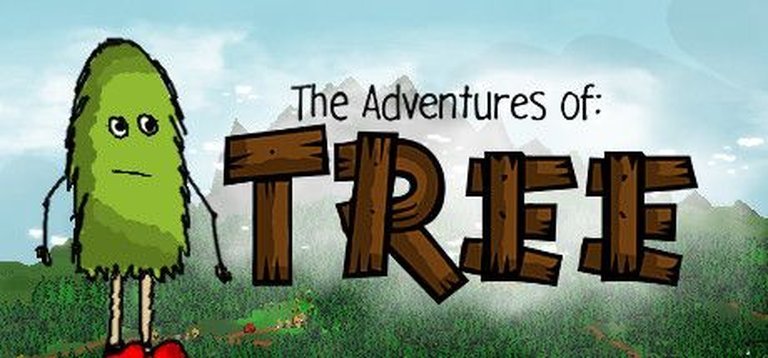
Description
The Adventures of Tree is a hand-drawn, open-world action RPG set in a fantasy island realm where players control a lone adventurer named Tree, tasked with exploring vast regions, completing quests, gathering weapons and tools, and battling evil creatures called Florps that emerge from the island’s core to prevent their destruction, all while managing survival needs like food and making choices that influence multiple game endings.
Gameplay Videos
Where to Buy The Adventures of Tree
PC
The Adventures of Tree Cracks & Fixes
The Adventures of Tree Guides & Walkthroughs
The Adventures of Tree Reviews & Reception
steambase.io (78/100): Mostly Positive (78/100 from 490 reviews)
store.steampowered.com (83/100): Very Positive (83% of 73 user reviews)
metacritic.com (56/100): Mixed or Average (5.6/10 from 5 user ratings)
The Adventures of Tree: Review
Introduction
Imagine a hand-drawn world where a plucky vegetable-like hero named Tree embarks on a quest to save his island home from burrowing horrors, all while juggling survival needs, quirky quests, and moral choices that ripple into multiple endings—this is the whimsical core of The Adventures of Tree, a 2015 indie darling that embodies the raw ambition of Steam’s Early Access era. Released initially on Windows via Steam on May 1, 2015, by the small team at Dune Clockidy and publisher Tiger Studios, the game has quietly carved a niche among fans of 2D open-world adventures, blending RPG progression, survival elements, and exploration in a fantasy setting teeming with charm. Despite its obscurity in mainstream gaming history, Tree endures through a dedicated community wiki, active Steam forums even into 2024, and a “Very Positive” Steam rating from 73 reviews (83% positive). My thesis: The Adventures of Tree is a testament to indie ingenuity, delivering dozens of hours of cozy, choice-driven exploration marred only by technical rough edges, securing its place as an underappreciated gem in the post-Terraria 2D sandbox lineage.
Development History & Context
The Adventures of Tree emerged from the fertile chaos of mid-2010s indie gaming, a time when Steam Greenlight democratized publishing, flooding the platform with ambitious Early Access titles built on accessible engines like Unity. Developed primarily by Dune Clockidy (with credits to NinjalSV and Official Tiger Studios), the game was crafted by a tiny team—evident from its solo-dev vibe on ModDB and itch.io pages—leveraging Unity’s 2D tools to punch above its weight. Tiger Studios handled publishing, promoting it aggressively via Steam, ModDB news posts (e.g., “Game Sale and New Content!” in December 2015 adding bosses and quests), and Twitter (@cursegamepedia, later @OfficialTigerStudios).
Technological constraints were minimal thanks to Unity, but the era’s limitations shone through: modest specs (1.6GHz CPU, 2GB RAM minimum) targeted budget PCs, supporting side-scrolling 2D visuals without the bloat of AAA contemporaries. Released amid giants like The Witcher 3 and Fallout 4, Tree swam in the indie pool with peers like Woodle Tree Adventures (a frequent “related game” on MobyGames), capitalizing on the survival-crafter boom post-Minecraft and Don’t Starve. Early Access allowed community-driven evolution—pinned Steam threads for “Game Ideas/Suggestions,” bugs, and Discord integration reflect iterative updates, including character customization (September 2015), new endings (October 2015), and ports to Linux (2016) and Mac (2019). ModDB articles highlight post-launch polish: new maps, bosses, item drops, and an “Epic Trailer.” Priced at $5.99, it targeted impulse buys, embodying the “quantity over polish” ethos of Greenlight indies, where passion trumped budgets.
Narrative & Thematic Deep Dive
At its heart, The Adventures of Tree unfolds a deceptively simple yet branching tale on the island of Formagetus: evil creatures called “Florps” erupt from the core, threatening Tree—a lone “Formonger” (a fruit/vegetable protagonist, per MobyGames groups)—and his species. Players control Tree in an open-ended quest to eradicate the invaders, but the plot’s genius lies in its reactivity. Choices in quests, alliances, and exploration dictate one of several endings, as emphasized across Steam, wiki, and Fandom pages: “The places you go and quests you accept will affect what ending you get.” This echoes classic RPGs like Fallout, but in bite-sized, 2D form.
Characters are sparse yet memorable through quirky, comical dialogue—Steam blurbs promise “keep yourself laughing as you read thru,” with NPCs offering 40+ quests for gold, progression, or risky deals like bribing enemies. Themes delve into survival vs. heroism: manage hunger or starve, upgrade stats via XP from 50+ creature kills, and weigh moral dilemmas (e.g., quest paths altering endings). The wiki’s “Regions, Creatures, Items, Game Mechanics” sections suggest deep lore—Florps as core-bursters symbolize environmental invasion, Tree’s journey a metaphor for resilience amid chaos. Day/night cycles amplify isolation, turning forests peaceful by day and perilous by night. Multiple playthroughs (promised 30+ hours, huge replayability) reveal secrets, Easter eggs, and hidden narratives, making it a thematic standout: choice as consequence in a cute package, subverting expectations of linear platformers.
Gameplay Mechanics & Systems
Tree‘s core loop is a masterful blend of open-world exploration, RPG progression, survival, and action-platforming, all in direct-control side-view 2D. Roam 15 exotic locations (beaches, harsh winters, forests) freely, rewarded for discovery with treasures, secrets, and unique items/creatures. Quests (40+) form the backbone: pick-and-choose for cash to buy from 50+ gear options, customizing Tree’s loadout and appearance (100+ possibilities). Survival demands foraging/buying food, with starvation as a real threat—layered atop a full day/night cycle affecting visibility and spawns.
Combat pits you against 50+ creatures (each with abilities) and 5+ bosses (e.g., “Wilted Shadow Boss” from Steam forums), using weapons/tools in platforming skirmishes. RPG elements shine: kill for XP, earn upgrade points for stats (health, damage), enabling deep builds. Choices branch quests/endings, adding replay. UI is straightforward (Unity default inferred), supporting keyboard/mouse/gamepad, with campfires for rest (forum queries like “How do I use the campfires?”). Flaws emerge: Early Access bugs (pinned Steam bug thread), achievement hunts (110 total, queries on “Lost yellow key”), and grindy survival. Innovations like open-ended decisions and customization elevate it beyond Super Meat Boy-style platformers, creating emergent loops—bribe foes, invest gold, or hoard for bosses. Exhaustive yet accessible, it’s a systems sandbox where player agency reigns.
World-Building, Art & Sound
The island of Formagetus is a vibrant tapestry of hand-drawn 2D artistry, its 15 locations evoking a storybook fantasy: sun-soaked beaches for relaxation, blizzards testing survival, dense forests hiding Easter eggs. Scrolling side-view visuals pop with charm—cute protagonist, grotesque Florps—enhanced by day/night transitions that shift atmospheres from serene to tense. Exploration feels alive: unique creatures/items per biome, secrets tucked in nooks, fostering “one more hill” compulsion.
Atmosphere is cozy yet perilous, the hand-drawn style (praised in Dutch Gameplay review as “p gorgeous mooie handgetekende”) immersing via quaint details—quirky NPCs, comical animations. Sound design, though undocumented, supports this: ambient cycles (waves, wind, critters), punchy combat SFX, and lighthearted OST (add soundtrack pleas on MobyGames). Collectively, they craft an inviting escape, where visuals carry emotional weight—winter’s bite heightens starvation stakes, beaches offer respite. No voice acting keeps focus on text-based humor, amplifying the indie intimacy.
Reception & Legacy
Launch reception was muted but polarized: Steam’s “Very Positive” (83% from 73 reviews; broader Steambase data shows 78/100 “Mostly Positive” from 490) lauds charm and depth, with forums buzzing into 2024 (e.g., “Achievements help,” Switch port pleas). MobyGames logs a lone 2.4/5 player score; Metacritic’s 5.6/10 “Mixed” from 5 users notes polish issues. Critics were scarce—one unscored Gameplay (Benelux) review gushes: “zalige, gezapige en prachtig mooie… tientallen uren geboeide” (blissful, relaxing, beautiful, hooked for dozens of hours). Commercially niche ($5.99, 41 MobyGames collectors), it sold steadily via bundles/Deluxe Edition.
Legacy endures in micro-communities: Fandom/Gamepedia wiki (590 pages), itch.io (5/5 from 1 rating), active Discord/Steam (138 topics). No seismic industry influence—related to veggie-protagonist obscurities like Woodle Tree—but it exemplifies Early Access success: community-shaped (updates via feedback), inspiring similar 2D open-world indies. In history, it’s a footnote in Unity’s indie revolution, preserving hand-drawn whimsy amid AAA dominance.
Conclusion
The Adventures of Tree weaves hand-drawn beauty, branching narratives, and survival-RPG freedom into a 30+ hour odyssey of discovery, where Tree’s fight against Florps captivates through choice and charm, despite Early Access jank. Its enduring Steam positivity, wiki depth, and forum vitality affirm a heartfelt indie triumph. Verdict: Essential for 2D adventure fans—an 8/10 historical curiosity, rightfully nestled among unsung Early Access heroes, beckoning replays on Formagetus’ shores. Play it, explore, and let choices bloom.