
- Release Year: 1996
- Platforms: Windows
- Publisher: MJM Software Limited
- Genre: Compilation
- Game Mode: Single-player
- Average Score: 70/100
Description
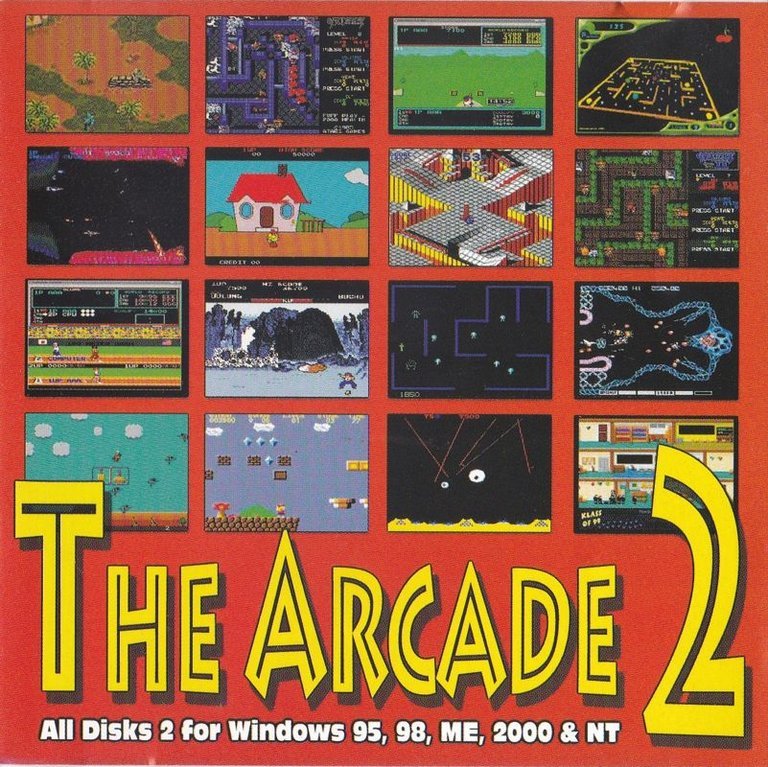
The Arcade: Volume 2 is a 1996 Windows compilation featuring a diverse collection of classic arcade and shareware games, including titles like Gauntlet, Pacland, and Life Force. Players can access the games via a menu system, choosing to run them directly from the CD or install them to their hard drive, offering a nostalgic arcade experience for retro gaming enthusiasts.
The Arcade: Volume 2 Reviews & Reception
mobygames.com (70/100): This collection of classic arcade titles includes Pac-Man, Dig Dug, Rally-X, and New Rally-X, with updated graphics and 2-player simultaneous play.
The Arcade: Volume 2 Cheats & Codes
Genesis
At the title screen, press Up, Down, Left, Right, Up, Down, Left, Right. If you’ve done this correctly, you will hear “Excellent!” Now start the game. To skip a level, pause the game and press B + C simultaneously.
| Code | Effect |
|---|---|
| Up, Down, Left, Right, Up, Down, Left, Right | Enables level skip functionality (pause and press B + C to skip a level) |
Sega Genesis / Mega Drive (Game Genie Codes)
Enter these codes using a Game Genie device.
| Code | Effect |
|---|---|
| AE6A-BE3W | Start with 1 credit instead of 4 |
| EY6A-BE3W | Start with 25 credits |
| LA6A-BE3W | Start with 50 credits |
| RY6A-BE3W | Start with 75 credits |
| RZ8A-A6V6 | Infinite credits |
| XE6A-BE3W | Advance to next level and get infinite credits when terminated (may have some weird effects, doesn’t work on last level) |
| SF4A-BEXL | Start on human hideout |
| SF4A-BJXL | Start on trip to skynet |
| SF4A-BNXL | Start on skynet |
| SF4A-BTXL | Start on cyberdyne systems |
| SF4A-B2XL | Start on the freeway |
| SF4A-B6XL | Start on the steel mill |
| AADT-AAEL | Always have maximum gun power |
| RGJA-A60C | Protection from most hazards |
| RZ8A-A6X0 | Infinite rockets and shotgun shells on pick-up |
| XGGA-BA30 | Start with LOTS of rockets |
The Arcade: Volume 2 – A Time Capsule of Gaming’s Golden Age
Introduction: A Love Letter to the Arcade Era
The Arcade: Volume 2 (1996) is more than just a compilation—it’s a digital museum, a love letter to the golden age of arcade gaming, and a testament to the enduring appeal of pixelated heroes and high-score chases. Released during a pivotal moment in gaming history, this collection by MJM Software Limited captures the essence of an era when arcades were the beating heart of youth culture. While it may lack the polish of modern remasters, The Arcade: Volume 2 serves as a vital historical artifact, preserving classics that defined a generation. This review will dissect its significance, gameplay, and legacy, arguing that it stands as both a nostalgic treasure and a flawed yet fascinating snapshot of gaming’s past.
Development History & Context: The Twilight of the Arcade
The Studio and the Vision
MJM Software Limited, the publisher behind The Arcade: Volume 2, was a relatively obscure player in the mid-1990s gaming landscape. Unlike industry giants like Atari or Namco, MJM operated in the niche market of budget compilations, catering to PC gamers hungry for retro experiences. The studio’s vision was simple: bundle classic arcade titles—some shareware, some licensed—into an accessible, affordable package for Windows users. This approach was not unique; the late 1990s saw a surge in arcade compilations as developers and publishers sought to capitalize on nostalgia while transitioning to CD-ROM distribution.
Technological Constraints and the PC Landscape
By 1996, the gaming world was in flux. The arcade industry, once the undisputed king of gaming, was in decline. Home consoles like the Sony PlayStation and Nintendo 64 were ascendant, offering 3D graphics and immersive experiences that arcades struggled to match. Meanwhile, PCs were becoming increasingly powerful, with CD-ROM drives enabling larger, more complex games. The Arcade: Volume 2 was a product of this transitional period, offering emulated arcade classics on a platform that was rapidly evolving beyond them.
The compilation’s technical limitations are evident. Many of the included games were originally designed for arcade hardware, and their ports to PC often suffered from input lag, graphical inconsistencies, and sound emulation issues. The menu system, while functional, lacked the polish of later compilations like Midway’s Greatest Arcade Hits or Capcom Arcade Hits. Yet, these flaws are part of its charm—a raw, unfiltered glimpse into the past.
The Gaming Landscape of 1996
1996 was a landmark year for gaming, marked by the release of groundbreaking titles like Super Mario 64, Tomb Raider, and Resident Evil. The industry was shifting toward 3D graphics, complex narratives, and cinematic experiences. In this context, The Arcade: Volume 2 was a counterpoint—a celebration of simpler times. It appealed to older gamers who had grown up in arcades, as well as younger players curious about the roots of their favorite hobby.
The compilation’s lineup reflects this dual appeal. It includes timeless classics like Pac-Man and Gauntlet, which had already cemented their legacies, alongside deeper cuts like Skool Daze and The Great Giana Sisters, which catered to niche audiences. This eclectic mix ensured that The Arcade: Volume 2 had something for everyone, whether they were reliving childhood memories or discovering these games for the first time.
Narrative & Thematic Deep Dive: The Stories Behind the Pixels
The Plotless Charm of Arcade Classics
Arcade games, by their very nature, are not known for their deep narratives. Most of the titles in The Arcade: Volume 2 follow the classic arcade formula: simple premises, high-score chases, and repetitive gameplay loops. Pac-Man is about eating dots and avoiding ghosts; Gauntlet is about hacking and slashing through dungeons; Missile Command is about defending cities from nuclear annihilation. These games rely on mechanical brilliance rather than storytelling, yet their themes resonate deeply.
Characters and Icons
Despite their lack of narrative depth, many of these games introduced characters and concepts that became cultural icons. Pac-Man, with his insatiable appetite and cheerful demeanor, became a global mascot for gaming. Dig Dug’s protagonist, with his inflatable pump and subterranean battles, embodied the quirky charm of early arcade design. Even Berzerk, with its robotic enemies and maze-like levels, contributed to the aesthetic of sci-fi arcade games.
The compilation also includes lesser-known gems like Skool Daze, a British cult classic that parodied school life with humor and subversive gameplay. These titles, while not as universally recognized as Pac-Man, offer a glimpse into the diversity of arcade experiences beyond the mainstream hits.
Underlying Themes: Competition, Survival, and Nostalgia
At their core, the games in The Arcade: Volume 2 explore themes of competition, survival, and the human desire to conquer challenges. Gauntlet and Commando emphasize teamwork and endurance, while Time Pilot and Sky Kid test players’ reflexes and strategic thinking. Missile Command, with its apocalyptic setting, taps into Cold War anxieties, turning global destruction into a high-stakes game.
Nostalgia is the overarching theme of the compilation itself. For players who experienced these games in their original arcade forms, The Arcade: Volume 2 is a time machine, transporting them back to dimly lit arcades filled with the sounds of joysticks and the glow of CRT screens. For younger players, it’s an educational tool, offering a tangible connection to gaming’s roots.
Gameplay Mechanics & Systems: The Art of the Arcade
Core Gameplay Loops
The strength of The Arcade: Volume 2 lies in its gameplay variety. Each title offers a distinct experience, from the maze-chasing of Pac-Man to the vertical scrolling of Galaga Plus (likely a misspelled variant of Galaxian). The compilation excels in showcasing the diversity of arcade design, where simplicity and addictiveness were paramount.
- Maze and Chase Games: Pac-Man and Mappy exemplify this genre, challenging players to navigate labyrinthine levels while avoiding enemies. These games are easy to learn but difficult to master, a hallmark of arcade design.
- Shoot ‘Em Ups: Galaga Plus, Nemesis, and Life Force (also known as Salamander) represent the vertical and horizontal scrolling shooters that dominated arcades. Their fast-paced action and pattern-based enemy waves demand precision and memorization.
- Platformers: Pacland and The Great Giana Sisters bring platforming mechanics to the compilation, with the latter often dubbed a Super Mario Bros. clone. These games introduce more complex level design and character movement.
- Action and Strategy: Gauntlet and Commando blend action with light strategy, requiring players to manage resources (health, ammunition) while navigating enemy-filled environments.
Combat and Progression
Combat in these games is straightforward but satisfying. Gauntlet’s hack-and-slash mechanics, Berzerk’s shoot-or-be-shot tension, and Yie Ar Kung-Fu’s one-on-one martial arts duels each offer a unique flavor of arcade combat. Progression is typically tied to high scores and survival, with no save systems or checkpoints—true to the arcade experience.
UI and Controls
The user interface of The Arcade: Volume 2 is functional but unremarkable. The menu system allows players to launch games directly from the CD or install them to their hard drive, a necessity given the varying technical requirements of each title. The controls, emulated for PC, often suffer from input lag, a common issue with early arcade ports. While keyboard controls are serviceable, the compilation would have benefited from better joystick support, a feature that later compilations would refine.
Innovations and Flaws
The compilation’s greatest innovation is its sheer variety. By bundling so many genres and styles into one package, it offers a comprehensive overview of arcade gaming’s golden age. However, its flaws are equally notable. The emulation quality varies widely between titles, with some games running smoothly while others suffer from graphical glitches or sound issues. The lack of additional features—such as historical context, developer interviews, or even basic options like difficulty adjustments—makes The Arcade: Volume 2 feel more like a rushed product than a lovingly crafted tribute.
World-Building, Art & Sound: The Aesthetic of the Arcade
Setting and Atmosphere
The games in The Arcade: Volume 2 transport players to a variety of settings, from the neon-lit dungeons of Gauntlet to the post-apocalyptic landscapes of Berzerk. Each title creates its own distinct atmosphere, often with minimal graphical fidelity. Pac-Man’s colorful mazes and Galaga Plus’s star-filled backgrounds are simple yet effective, relying on bold colors and clear visual cues to draw players in.
Visual Direction
The visual style of these games is a product of their time, constrained by the hardware limitations of 1980s arcade machines. Pixel art was king, and developers used it to create memorable characters and environments. The Great Giana Sisters, with its vibrant colors and detailed sprites, stands out as a particularly impressive example of the era’s artistry. Meanwhile, Missile Command’s stark, vector-like graphics convey a sense of urgency and tension.
Sound Design
Sound design in arcade games was often as important as the visuals, and The Arcade: Volume 2 captures this well. The iconic Pac-Man chomp, the haunting tones of Berzerk’s robotic voices, and the adrenaline-pumping music of Gauntlet are all preserved in this compilation. While the emulation isn’t perfect—some sound effects are muffled or out of sync—the core audio experiences remain intact, evoking the sensory overload of a bustling arcade.
Reception & Legacy: A Niche Classic
Critical and Commercial Reception
The Arcade: Volume 2 was not a major critical or commercial success upon its release. It lacked the marketing push of bigger compilations like Midway’s Greatest Arcade Hits or Capcom Arcade Hits, and its technical limitations held it back from wider acclaim. However, it found a dedicated audience among retro gaming enthusiasts, who appreciated its eclectic lineup and historical significance.
Evolution of Reputation
Over time, The Arcade: Volume 2 has gained a cult following. Its inclusion of lesser-known titles like Skool Daze and The Great Giana Sisters has made it a sought-after item for collectors and historians. While it may not be as polished as later compilations, its raw, unfiltered presentation of arcade classics has earned it a place in gaming history.
Influence on Subsequent Games and the Industry
The compilation’s influence is indirect but meaningful. By preserving these games in a digital format, it helped keep the arcade spirit alive during a time when the industry was shifting toward home consoles and 3D graphics. It also paved the way for more ambitious retro compilations, proving that there was a market for nostalgia-driven gaming experiences.
Conclusion: A Flawed but Essential Time Capsule
The Arcade: Volume 2 is not a perfect compilation. Its emulation issues, lack of additional features, and modest presentation prevent it from being a definitive retrospective of arcade gaming. However, its strengths—its diverse lineup, historical significance, and unfiltered nostalgia—make it an essential artifact for gaming historians and retro enthusiasts.
In the grand tapestry of video game history, The Arcade: Volume 2 occupies a unique niche. It is a bridge between the golden age of arcades and the digital preservation of gaming’s past. While it may not have the polish or prestige of later compilations, it remains a vital piece of gaming’s legacy—a testament to the enduring power of simple, addictive, and timeless gameplay.
Final Verdict: 7.5/10 – A must-play for retro gaming historians, but not without its flaws.
For those seeking a more refined experience, later compilations like Midway Arcade Treasures or Namco Museum offer superior emulation and features. But for purists and collectors, The Arcade: Volume 2 is a treasure trove of gaming’s past, warts and all.