
- Release Year: 2006
- Platforms: Windows
- Publisher: Electronic Arts, Inc.
- Genre: Compilation
- Game Mode: Single-player
- Average Score: 87/100
Description
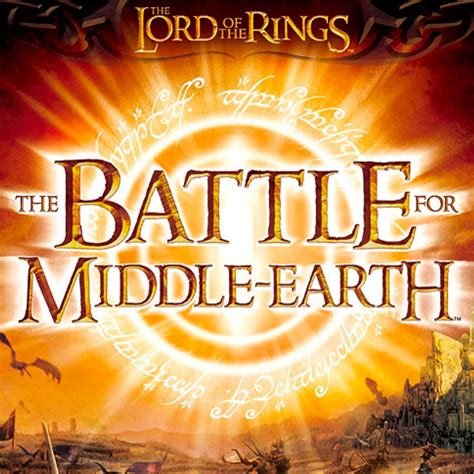
The Lord of the Rings: The Battle for Middle-earth II – Collection is a compilation that includes the base game and its expansion, The Rise of the Witch-king. Set in J.R.R. Tolkien’s legendary Middle-earth, the game is a real-time strategy title where players command iconic factions like the Elves, Dwarves, and forces of Sauron. The Good Campaign follows Glorfindel as he rallies allies to defend Rivendell and thwart Sauron’s ambitions, while the Evil Campaign sees the Dark Lord’s forces, including the Nazgûl and Goblins, seeking to crush the remaining free peoples of the North. With strategic base-building, hero units, and large-scale battles, the game immerses players in the epic conflict for dominance over Middle-earth.
The Lord of the Rings: The Battle for Middle-earth II – Collection Cracks & Fixes
The Lord of the Rings: The Battle for Middle-earth II – Collection Patches & Updates
The Lord of the Rings: The Battle for Middle-earth II – Collection Reviews & Reception
myabandonware.com (87/100): With all new content from J.R.R. Tolkien’s original fiction, delve deeper than ever before and engage in new battles that go beyond the award-winning movie trilogy.
gog.com : One of my alltime-favorite RTS. The game did a great job capuring the atmosphere of LOTR.
The Lord of the Rings: The Battle for Middle-earth II – Collection Cheats & Codes
PC
Type in the pause menu or while in the playing screen.
| Code | Effect |
|---|---|
| the army | Grants 500,000 Command Points |
| gold | Grants 700 Resources |
The Lord of the Rings: The Battle for Middle-earth II – Collection: A Comprehensive Retrospective
Introduction
The Lord of the Rings: The Battle for Middle-earth II – Collection stands as a monumental achievement in the real-time strategy (RTS) genre, seamlessly blending the rich lore of J.R.R. Tolkien’s Middle-earth with innovative gameplay mechanics. Released in 2006 by Electronic Arts, this compilation includes the base game and its expansion, The Rise of the Witch-king, offering players an unparalleled strategic experience set in one of fantasy’s most beloved universes. This review delves into the game’s development, narrative depth, gameplay systems, artistic design, and lasting legacy, providing a thorough analysis of its place in gaming history.
Development History & Context
The Studio and Vision
Developed by EA Los Angeles, The Battle for Middle-earth II was a sequel to the critically acclaimed The Battle for Middle-earth (2004). The studio aimed to expand the scope of its predecessor by incorporating elements from Tolkien’s original novels, not just the Peter Jackson films. This ambition was facilitated by a licensing agreement with Tolkien Enterprises, granting EA the rights to explore untold stories within Middle-earth.
Technological Constraints and Innovations
The game utilized the SAGE (Strategy Action Game Engine), which had powered its predecessor and other RTS titles like Command & Conquer: Generals. The engine’s limitations were pushed to their limits, particularly in rendering large-scale battles and intricate environmental details. One of the standout technical achievements was the game’s water effects, which were significantly enhanced to support naval combat—a first for the series. The developers employed advanced shaders and wave simulation techniques to create realistic ocean surfaces, complete with underwater details like sunken ruins and marine life.
The Gaming Landscape of 2006
At the time of its release, the RTS genre was dominated by franchises like Warcraft, StarCraft, and Command & Conquer. The Battle for Middle-earth II distinguished itself by leveraging its license to create a deeply immersive experience. The inclusion of a “War of the Ring” mode, which combined turn-based strategy with real-time battles, was a bold innovation that set it apart from its contemporaries.
Narrative & Thematic Deep Dive
Plot Overview
The game’s narrative is divided into two campaigns: Good and Evil. The Good Campaign follows the Elven hero Glorfindel as he rallies the forces of Rivendell, the Dwarves, and other allies to counter Sauron’s encroaching darkness in the North. The Evil Campaign, meanwhile, offers an alternate history where Sauron’s forces, led by the Mouth of Sauron and the Nazgûl, systematically dismantle the Free Peoples’ strongholds.
Characters and Dialogue
The game features a star-studded cast, with Hugo Weaving reprising his role as Elrond, lending gravitas to the narrative. Other notable voice actors include Christopher Lee as Saruman and Ian McKellen as Gandalf, bridging the gap between the films and the game. The dialogue is richly written, capturing the epic tone of Tolkien’s work while expanding on lesser-known characters like Glorfindel and the Mouth of Sauron.
Themes
The Battle for Middle-earth II explores themes of unity, sacrifice, and the corrupting influence of power. The Good Campaign emphasizes the necessity of alliances, as the Elves and Dwarves—traditionally at odds—must unite to survive. The Evil Campaign, conversely, showcases the ruthless efficiency of Sauron’s forces, highlighting the devastating consequences of unchecked ambition.
Gameplay Mechanics & Systems
Core Gameplay Loop
At its heart, The Battle for Middle-earth II is a resource-management and base-building RTS. Players gather resources to construct buildings, train units, and research upgrades. The game introduces a “build anywhere” system, allowing players to place structures freely across the map, a departure from the predefined plots of its predecessor. This change added a layer of strategic depth, enabling more creative base designs and defensive setups.
Combat and Unit Diversity
The game features six playable factions: Men of the West (Gondor and Rohan), Elves, Dwarves, Isengard, Mordor, and Goblins. Each faction has unique units, heroes, and abilities, encouraging diverse playstyles. For example, the Elves excel in ranged combat with their archers and Ents, while the Goblins rely on swarm tactics and monstrous creatures like Trolls and Dragons.
Hero Units and the One Ring
Hero units play a pivotal role in battles, with iconic characters like Aragorn, Legolas, and the Witch-king of Angmar offering powerful abilities. A standout feature is the inclusion of the One Ring, which can be claimed by defeating Gollum. Possession of the Ring allows players to summon ultra-powerful “Ring Heroes” like Galadriel or Sauron, adding a game-changing dynamic to matches.
War of the Ring Mode
This hybrid mode blends turn-based strategy with real-time skirmishes. Players conquer territories on a map of Middle-earth, engaging in battles to secure control. The mode’s depth lies in its risk-reward mechanics, where players must decide whether to simulate battles or fight them manually, balancing resource management with tactical prowess.
World-Building, Art & Sound
Setting and Atmosphere
The game’s setting spans the northern regions of Middle-earth, from the misty peaks of the Ettenmoors to the ancient forests of Mirkwood. Each location is meticulously crafted, with environmental details that reflect Tolkien’s descriptions. The art direction successfully captures the grandeur and diversity of Middle-earth, from the elven sanctuaries of Rivendell to the grim fortresses of Mordor.
Visual Design
The visuals are a testament to the developers’ attention to detail. Unit models are intricately designed, with animations that bring the battles to life. The use of color and lighting enhances the game’s atmosphere, with the lush greens of the Shire contrasting sharply with the fiery hues of Mount Doom.
Sound Design and Music
The soundtrack, composed by Jamie Christopherson and Bill Brown, blends original scores with themes from Howard Shore’s Lord of the Rings film trilogy. The music dynamically shifts to match the on-screen action, heightening the emotional impact of battles. Sound effects, from the clash of swords to the roars of Dragons, are equally immersive, contributing to the game’s cinematic feel.
Reception & Legacy
Critical and Commercial Reception
Upon release, The Battle for Middle-earth II received widespread acclaim, with critics praising its faithful adaptation of Tolkien’s lore and innovative gameplay mechanics. The game scored an 84/100 on Metacritic, with particular praise for its production values and strategic depth. However, some reviewers noted imbalances in multiplayer modes, particularly concerning the overpowered nature of hero units.
Commercially, the game was a success, selling over 100,000 copies in the UK alone and securing a “Silver” sales award from ELSPA. Its Collector’s Edition, which included bonus DVDs with behind-the-scenes content, was also well-received.
Evolution of Reputation
Over time, The Battle for Middle-earth II has been recognized as a cult classic, beloved by fans for its ambitious scope and faithful representation of Middle-earth. The shutdown of its official online servers in 2010 was a significant blow, but the community has kept the game alive through unofficial servers and mods.
Influence on Subsequent Games
The game’s influence can be seen in later RTS titles that emphasize narrative-driven campaigns and asymmetric faction design. Its “War of the Ring” mode inspired similar hybrid strategies in games like Total War: Warhammer, which blends turn-based empire management with real-time battles.
Conclusion
The Lord of the Rings: The Battle for Middle-earth II – Collection is a masterclass in licensed game development, successfully translating the epic scale and emotional depth of Tolkien’s work into an engaging RTS experience. Its innovative gameplay mechanics, rich narrative, and immersive world-building set a high bar for future entries in the genre. While its multiplayer imbalances and the eventual shutdown of official servers are notable drawbacks, the game’s strengths far outweigh its weaknesses.
Final Verdict: A landmark title in the RTS genre and a must-play for fans of The Lord of the Rings, The Battle for Middle-earth II – Collection remains a testament to the power of combining compelling storytelling with strategic gameplay. Its legacy endures through a dedicated fanbase and its influence on subsequent games, cementing its place as one of the greatest licensed video games of all time.