
- Release Year: 2011
- Platforms: Windows
- Publisher: Warner Bros. Interactive Entertainment Inc.
- Genre: Special edition
- Game Mode: Online Co-op
- Average Score: 61/100
Description
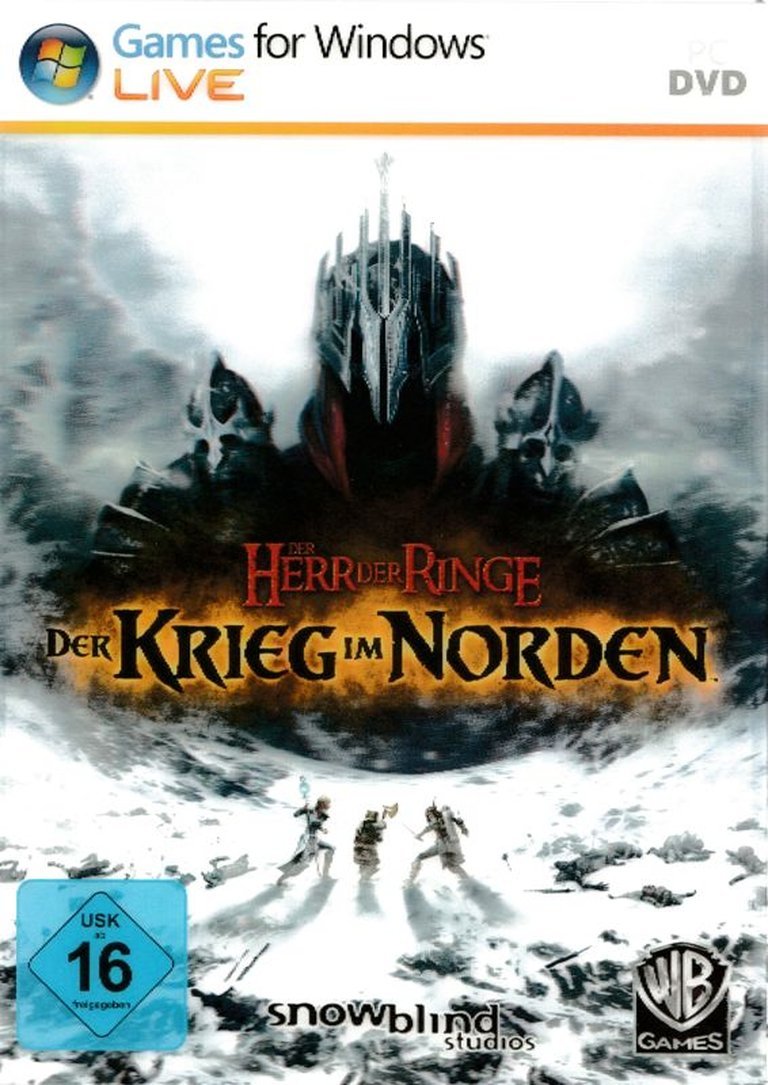
The Lord of the Rings: War in the North (Day One Edition) is an action role-playing game set in J.R.R. Tolkien’s Middle-earth, running parallel to the events of The Lord of the Rings. Players control a trio of heroes—a Ranger, a Dwarf, and an Elf—as they battle the forces of Sauron in the northern regions, uncovering a hidden threat led by the Black Númenórean Agandaûr. The game features hack-and-slash combat, cooperative multiplayer, and a dark, film-inspired aesthetic, while the Day One Edition includes exclusive DLC packs with unique armor, weapons, and iconic swords like Andúril and Sting.
Gameplay Videos
The Lord of the Rings: War in the North (Day One Edition) Guides & Walkthroughs
The Lord of the Rings: War in the North (Day One Edition) Reviews & Reception
reddit.com : Personally I loved it. Exploring Fornost, the Ettenmoors, Gundabad, Barrow-Downs, Mirkwood, Angmar, etc.
en.wikipedia.org : The game received mixed reviews, with critics praising the graphics and tone, but criticizing the repetitive combat, weak storyline and poor character development.
metacritic.com (61/100): While a few things could use some revision work, overall this game is a masterpiece for Tolkien fans and shouldn’t be missed.
The Lord of the Rings: War in the North (Day One Edition): A Forgotten Gem of Middle-earth
Introduction
In the vast and storied history of The Lord of the Rings video games, War in the North stands as a unique and often overlooked entry. Released in 2011 by Snowblind Studios and published by Warner Bros. Interactive Entertainment, this action role-playing game (ARPG) dared to carve its own path within Tolkien’s legendary universe. Unlike many of its predecessors, which either retold the events of the books and films or focused on large-scale battles, War in the North offered a fresh, original narrative set parallel to the main story of the War of the Ring. This review will delve deeply into the game’s development, narrative, gameplay, world-building, reception, and legacy, ultimately arguing that despite its flaws, War in the North is a hidden gem that deserves reevaluation.
Development History & Context
The Studio and Vision
Snowblind Studios, known for their work on titles like Baldur’s Gate: Dark Alliance and Champions of Norrath, brought a wealth of experience in crafting action RPGs to War in the North. The studio’s vision was clear: to create a game that would allow players to experience a new, untold story within the rich tapestry of Middle-earth. Producer Ruth Tomandl emphasized the importance of drawing from both the literary and film rights, stating, “Having both the rights to the films and the books has definitely allowed us to take the approach we want. We’re not restricted to just what was shown in the films and can work with the entire background of the world as revealed in the books.”
This dual access to Tolkien’s literary works and Peter Jackson’s film adaptations was a significant advantage. Until 2009, the rights to create games based on Tolkien’s books and New Line Cinema’s films were held separately by Vivendi Universal Games and Electronic Arts, respectively. Warner Bros. Interactive Entertainment’s acquisition of both rights in 2009 paved the way for War in the North to blend elements from both sources seamlessly.
Technological Constraints and Gaming Landscape
The game was developed during a transitional period in the gaming industry. The seventh generation of consoles (PlayStation 3, Xbox 360) was in full swing, and developers were pushing the boundaries of what these systems could achieve. War in the North was designed to leverage the capabilities of these consoles, offering detailed environments, fluid combat, and cooperative gameplay.
However, the game’s development was not without challenges. The decision to focus heavily on cooperative gameplay meant that the AI for single-player mode had to be robust enough to handle the absence of human players. Additionally, the game’s release in November 2011 placed it in direct competition with several high-profile titles, including The Elder Scrolls V: Skyrim, Battlefield 3, and Modern Warfare 3. This crowded release window undoubtedly impacted its commercial performance.
The M-Rating and Gritty Tone
One of the most notable aspects of War in the North was its M rating, making it the first Lord of the Rings game to receive such a classification. This rating allowed the developers to explore a grittier and more violent side of Middle-earth, staying true to the darker themes present in Tolkien’s original works. Ryan Geithman, founder of Snowblind Studios, stated, “Having the game M-rated allowed the developers to depict a grittier and more violent Middle-earth than had ever before been seen in a video game, whilst remaining authentic to both the films and Tolkien’s original work.”
This decision was not merely about shock value but about capturing the brutal reality of war in Middle-earth. The game’s combat system reflected this, with dismemberment, blood effects, and visceral finishing moves that emphasized the stakes of the conflict.
Narrative & Thematic Deep Dive
Plot Overview
War in the North follows the journey of three heroes: Eradan, a Dúnedain Ranger; Farin, a Dwarven Champion; and Andriel, an Elven Loremaster. Their quest begins in the town of Bree, where they meet Aragorn and learn of a new threat: Agandaûr, a Black Númenórean servant of Sauron. Agandaûr is tasked with laying waste to the northern regions of Middle-earth, diverting attention from Sauron’s main assault on Rohan and Gondor.
The trio’s journey takes them through iconic and lesser-known locations, including the ruins of Fornost, the Barrow-downs, the Ettenmoors, Mount Gundabad, and Carn Dûm. Along the way, they encounter familiar faces such as Gandalf, Elrond, and the sons of Elrond, Elladan and Elrohir, as well as new allies like the Great Eagle Beleram.
Character Development and Dialogue
One of the game’s most significant criticisms was its lack of character development. Unlike the deeply personal journeys of characters like Frodo, Aragorn, or Gimli in the books and films, the protagonists of War in the North often feel like archetypes rather than fully realized individuals. Their dialogue, while functional, lacks the depth and emotional resonance that defines Tolkien’s work.
However, the game’s narrative does excel in its world-building and lore. The inclusion of characters like Agandaûr, a Black Númenórean, and the exploration of locations like Mount Gundabad and Carn Dûm, adds richness to the story. The game’s writers drew heavily from Tolkien’s appendices and lesser-known texts, ensuring that the new elements fit seamlessly into the established lore.
Themes of Unity and Sacrifice
At its core, War in the North explores themes of unity and sacrifice, mirroring the broader narrative of The Lord of the Rings. The trio’s journey is a testament to the power of cooperation, as each character brings unique strengths to the group. Eradan’s stealth and archery, Farin’s brute strength and endurance, and Andriel’s magical abilities and healing powers complement each other, emphasizing the importance of teamwork in the face of overwhelming odds.
The game also touches on the theme of sacrifice, particularly in the character of Beleram, the Great Eagle. Beleram’s willingness to aid the trio, even at great personal risk, echoes the selfless acts of characters like Gandalf and Aragorn in the main narrative. His ultimate sacrifice in the battle against Agandaûr is a poignant moment that underscores the game’s themes.
Gameplay Mechanics & Systems
Core Gameplay Loop
War in the North is an action RPG with a strong emphasis on combat and character progression. The game is played from a third-person perspective, with players controlling one of the three protagonists. The core gameplay loop involves exploring environments, engaging in combat, completing quests, and upgrading characters through a skill tree system.
The combat system is a blend of melee and ranged attacks, with each character having access to light and heavy attacks, blocks, rolls, and special abilities. The game also features a “Hero Mode,” which activates when players build up a combo chain, resulting in more powerful attacks. This mechanic encourages players to string together attacks effectively, adding a layer of strategy to the combat.
Character Progression and Customization
Character progression in War in the North is handled through a traditional RPG system. Players earn experience points by defeating enemies and completing quests, which allow them to level up their characters. Upon leveling up, players receive points to allocate to their character’s stats (strength, will, stamina, and dexterity) and skill points to spend in a skill tree.
Each character has a unique skill tree that reflects their strengths and playstyle. Eradan’s skills focus on stealth and archery, Farin’s on melee combat and endurance, and Andriel’s on magic and healing. This system allows for a degree of customization, enabling players to tailor their characters to their preferred playstyle.
Cooperative Gameplay
One of the standout features of War in the North is its cooperative gameplay. The game supports up to three players in online co-op, with each player controlling one of the protagonists. This mode allows for a more dynamic and strategic approach to combat, as players can coordinate their attacks and abilities to overcome challenges.
In single-player mode, the AI controls the other two characters. While the AI is generally competent, it lacks the nuance and adaptability of human players. This can lead to moments where the AI companions make questionable decisions, such as rushing into battle without regard for their own safety.
Combat and Enemy Variety
The combat in War in the North is visceral and satisfying, with a variety of enemies to face, including orcs, trolls, wights, and dragons. Each enemy type requires a different approach, encouraging players to adapt their strategies. For example, trolls are slow but powerful, requiring players to dodge their attacks and strike at opportune moments, while wights are spectral enemies that require magical attacks to defeat.
However, the combat can become repetitive over time, as players often find themselves fighting through waves of similar enemies. The game’s reliance on fixed turrets and mobs of enemies that become shooting galleries can also feel formulaic, detracting from the overall experience.
User Interface and Technical Issues
The user interface in War in the North is functional but unremarkable. The game’s menus and HUD are straightforward, providing players with the information they need without overwhelming them. However, the game suffered from several technical issues at launch, including game-breaking bugs and poor collision detection. These issues were a significant detractor from the overall experience and contributed to the game’s mixed reception.
World-Building, Art & Sound
Setting and Atmosphere
War in the North excels in its world-building, offering players a chance to explore both familiar and lesser-known locations in Middle-earth. The game’s environments are richly detailed, with a strong sense of atmosphere that immerses players in the world. From the eerie ruins of Fornost to the treacherous peaks of Mount Gundabad, each location feels distinct and alive.
The game’s aesthetic is heavily influenced by Peter Jackson’s film trilogy, with characters and environments designed to match the visual style of the movies. This approach ensures a sense of familiarity for fans of the films while also allowing the game to carve out its own identity within the broader Lord of the Rings universe.
Visual Direction and Art Style
The visual direction in War in the North is impressive, with detailed character models, lush environments, and fluid animations. The game’s art style strikes a balance between realism and fantasy, capturing the grandeur and beauty of Middle-earth while also conveying the grit and brutality of war.
The character designs are particularly noteworthy, with each protagonist having a distinct and memorable appearance. Eradan’s rugged, weathered look reflects his life as a Ranger, while Farin’s sturdy, battle-worn armor emphasizes his role as a Dwarven warrior. Andriel’s elegant, mystical attire highlights her status as an Elven Loremaster.
Sound Design and Music
The sound design in War in the North is top-notch, with a dynamic soundtrack that enhances the game’s atmosphere. Composer Inon Zur, known for his work on Fallout 3 and Dragon Age: Origins, crafted a score that blends orchestral and choral elements to create a sense of epic grandeur. The music swells during key moments, heightening the emotional impact of the narrative.
The game’s voice acting is also commendable, with a talented cast bringing the characters to life. Nolan North, Laura Bailey, and Fred Tatasciore deliver strong performances as Eradan, Andriel, and Farin, respectively, while familiar voices like Tom Kane (Gandalf) and Chris Edgerly (Aragorn) lend authenticity to the game’s portrayal of iconic characters.
Reception & Legacy
Critical Reception
War in the North received mixed reviews upon its release, with critics praising its graphics, tone, and cooperative gameplay while criticizing its repetitive combat, weak storyline, and technical issues. The game holds aggregate scores of 66/100, 63/100, and 61/100 on Metacritic for the PC, PlayStation 3, and Xbox 360 versions, respectively.
Critics like Steven Hopper of IGN noted that while the game had potential, it ultimately felt too safe and formulaic. Hopper wrote, “There’s something too safe in War in the North. The gameplay doesn’t take any real risks, as the combat is fairly simple, the RPG features are par for the course, and the story doesn’t make any attempt to stand out in the backdrop of its established universe.”
Other reviewers, such as Carolyn Petit of GameSpot, praised the game’s visuals but criticized its technical issues, stating, “There are times when War in the North shows you the game it could have been […] But each time the game starts to hit its stride, it soon stumbles and falls on its face.”
Commercial Performance
Despite its mixed reception, War in the North was a commercial failure, selling just over three-quarters of a million units worldwide at launch. The game’s poor sales were attributed to its crowded release window, which saw it competing with several high-profile titles. Additionally, the game’s technical issues and lack of marketing support likely contributed to its underperformance.
Legacy and Influence
Despite its commercial failure, War in the North has developed a cult following among Lord of the Rings fans. The game’s unique narrative, cooperative gameplay, and exploration of lesser-known locations in Middle-earth have endeared it to players who appreciate its ambition and creativity.
The game’s legacy is also evident in its influence on subsequent Lord of the Rings titles. Games like Middle-earth: Shadow of Mordor and Shadow of War have drawn inspiration from War in the North’s focus on original narratives and cooperative gameplay, demonstrating the enduring impact of Snowblind Studios’ vision.
Conclusion
The Lord of the Rings: War in the North (Day One Edition) is a flawed but ambitious game that deserves recognition for its unique contributions to the Lord of the Rings franchise. While its repetitive combat, weak character development, and technical issues detract from the overall experience, the game’s rich world-building, cooperative gameplay, and exploration of untold stories in Middle-earth make it a hidden gem worth revisiting.
In the pantheon of Lord of the Rings video games, War in the North stands as a testament to the power of original storytelling and the enduring appeal of Tolkien’s universe. It may not be the most polished or critically acclaimed entry in the franchise, but its ambition and creativity ensure its place in the hearts of fans who appreciate its unique vision.
For those willing to overlook its flaws, War in the North offers a rewarding and immersive journey through the northern regions of Middle-earth, where the fate of the world hangs in the balance and the bonds of fellowship are tested like never before.