
- Release Year: 2016
- Platforms: Linux, Macintosh, Windows, Xbox One
- Publisher: Code Horizon Sp. z o.o., PlayWay S.A.
- Developer: Puzzling Dream
- Genre: Action, Cinematic platformer, Puzzle, Shooter, Stealth
- Perspective: Side view
- Game Mode: Single-player
- Gameplay: Exploration, Platform, Puzzle, Shooter
- Setting: Futuristic, Sci-fi
- Average Score: 79/100
Description
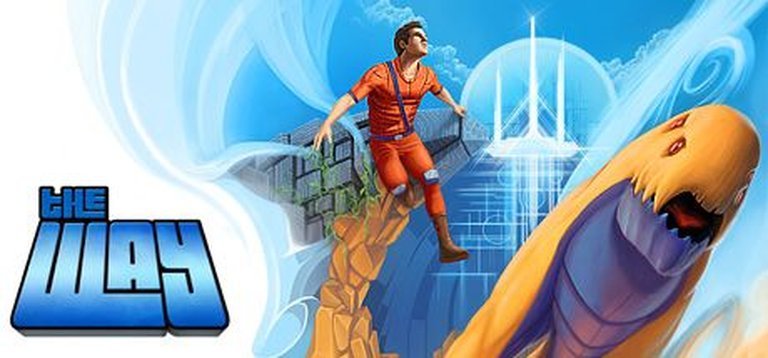
The Way is a 2D cinematic platformer inspired by classics like Another World and Flashback, where players control Tom, a grieving space explorer who ventures to an alien planet seeking to resurrect his deceased wife. Combining elements of platforming, stealth, puzzles, and action, the game features exploration, enemy battles, and the use of a laser pistol and an alien sphere with telekinetic, shielding, and teleportation abilities.
Where to Buy The Way
Cracks & Fixes
Patches & Updates
Mods
Guides & Walkthroughs
Reviews & Reception
metacritic.com (88/100): If you feel nostalgia for classic arcade adventure games from the Nineties like Flashback and Another World, you should not miss this one. But be aware of it’s unforgiving level design.
indiegamereviewer.com : The Way combines action, wildly diverse puzzles and even a dash of bullet hell into a thrilling and challenging tale.
gamepressure.com : For most of the ten hours required to complete the game I was sitting in front of the monitor with my mouth agape, admiring the artistry of its creators.
biogamergirl.com (70/100): In the end, The Way does offer a fun platformer experience despite the overly tedious puzzles. If you have been looking for a way to relive some of the joys of classic games than look no further then The Way on PC.
The Way: Review
Introduction
In the vast cosmos of video game history, certain titles emerge not merely as entertainment but as profound meditations on loss, perseverance, and the nature of existence. The Way, a 2016 2D cinematic platformer from Polish studio Puzzling Dream, stands as a poignant tribute to the legacy of Éric Chahi’s Another World and Flashback. More than a simple homage, it weaves a deeply personal narrative of grief and obsession, challenging players to confront the limits of mortality while navigating a labyrinthine alien world. This review dissects The Way’s intricate tapestry—from its harrowing genesis to its philosophical resonance—arguing that despite its technical imperfections, it remains a vital, emotionally resonant chapter in the annals of interactive storytelling.
Development History & Context
Born from a spirit of reverence for the past and a desire to innovate, The Way’s journey began in 2014 when Puzzling Dream launched a Kickstarter campaign to fund their passion project. Within five days, 1,566 backers pledged over CA$20,000, far exceeding the initial goal and unlocking stretch goals for multi-language support and additional platforms. The studio—founded by Blaise Sanecki (programmer/writer), Pawel Matysik (artist), and Panu Talus (composer)—sought to fill a void left by the genre’s dwindling landscape, explicitly citing Another World, Heart of Darkness, and Flashback as inspirations.
Technically, the game operated within modest constraints. Released first for Windows in May 2016 (with Mac and Linux ports following), it leveraged pixel art to evoke retro nostalgia while crafting complex animations and environmental puzzles. The planned PlayStation, Xbox, and mobile versions never materialized, reflecting the indie struggle of scope versus feasibility. Yet this limitation fostered focus: the team prioritized atmospheric storytelling and tactile mechanics over graphical fidelity, aligning with the genre’s tradition of “show, don’t tell.” The gaming landscape of 2016, dominated by AAA blockbusters, positioned The Way as a niche yet ambitious artifact—a labor of love for gamers craving the cerebral, cinematic experiences of the 1990s.
Narrative & Thematic Deep Dive
At its core, The Way is a tragedy of devotion. Players embody Major Tom, a space explorer shattered by his wife’s death. Unwilling to accept her absence, he exhumes her body, cryogenically preserves it, and hijacks a spaceship to return to the alien planet where they once discovered writings about eternal life. This opening act—morally ambiguous yet viscerally raw—establishes the game’s thematic anchors: grief as a catalyst for desperate action and the allure of transcendence.
The narrative unfolds through environmental storytelling and sparse, potent dialogue. Notes left in ruins, cryptic alien glyphs, and Major Tom’s internal monologues (revealed as thought bubbles) piece together a grander saga. Spanning decades, the story evolves from a solo quest into a mythic odyssey: Major befriends a tribe of aliens, deciphers artifacts, adopts Tincan—a cub named after its cannibalistic habits—and confronts a hidden city guarded by cloaking fields. The climax forces a choice: live eternally in a digital simulation with his wife, or join the aliens in rehabilitating their world. Both endings are bittersweet—the former yields fading digital contentment, the latter shows an aged Tom overlooking a restored civilization, his quest fulfilled yet irrevocably altered.
Themes permeate the subtext. The cyclical nature of life and death is mirrored in the planet’s ecosystems and alien technology. Major’s obsession critiques human resistance to impermanence, while the “unseen force” aiding his journey (later revealed as benevolent aliens) suggests that even in isolation, one is part of a larger cosmic order. The post-credits scene—where an alien photographer reports to a dog-suited overseer—adds layers of meta-commentary, hinting at Major Tom’s story as part of a galactic anthropological study.
Gameplay Mechanics & Systems
The Way’s gameplay is a meticulous fusion of cinematic platformer, puzzle-solving, and survival horror, tempered by unforgiving design. Major Tom has no health bar; any miscalculation—a misjudged jump, an environmental hazard, or a single enemy laser—results in instant death. This demands precision, turning minor obstacles into tense, high-stakes challenges.
The progression is tightly structured: early levels introduce basic platforming and a laser pistol with limited charges, forcing resourcefulness. The alien sphere acquired mid-game revolutionizes gameplay, unlocking four powers:
– Telekinesis: Manipulating objects to solve puzzles or create paths.
– Deflection: Shielding against projectiles and lasers.
– Teleportation: Placing markers to backtrack instantly, mitigating tedious repetition.
– Access: Interacting with alien machinery.
These abilities are introduced in dedicated trial chambers, where puzzles escalate from single-skill to multi-layered challenges. For instance, a cargo bay door puzzle requires programming a robot’s movements via trial-and-error—a standout section blending logic and patience. Combat is sparse but impactful, involving stealth sections against robotic sentinels and bullet-hell sequences against bounty hunters. Tincan, the alien pet, aids by acting as a platform or attacking foes, adding emotional stakes to combat.
Yet the systems are not without flaws. Checkpoints are often spaced too far apart, exacerbating frustration during sequences demanding pixel-perfect timing. Controls, while functional, feel occasionally unresponsive—particularly during vertical climbs or evasive maneuvers. Backtracking, necessary for puzzle-solving, can feel artificial, as noted by critics like Brash Games, who called it “marred by clumsy control issues.”
World-Building, Art & Sound
Puzzling Dream’s world-building is The Way’s triumph. The alien planet is a masterclass in environmental storytelling, shifting from desolate deserts to bioluminescent jungles to decaying techno-temples. Each biome is meticulously detailed: carnivorous plants pulse with eerie light, alien machinery hums with arcane energy, and ruins whisper of a fallen civilization. The hidden city, revealed only after disabling cloaking fields, stands as a breathtaking testament to alien ambition—a stark contrast to Major’s solitary quest.
Art direction leans into pixel art’s strengths, blending nostalgia with vibrancy. Major’s sprite animations retain a “sprite-like clunkiness” (Indie Game Reviewer) that honors retro roots, while environments burst with color and dynamism. The “gorgeous animation” (Apoc Mora) of creatures like Tincan and the lush, organic landscapes create a sense of lived-in wonder. Even the Earth-based sequences—Major’s heist from a sterile lab—contrast with the planet’s wildness, underscoring his detachment from humanity.
Sound design is equally atmospheric. Panu Talus’s score, described as “mournful” and “pulse-driven,” oscillates between ambient dread and melodic hope. Industrial soundscapes for machinery give way to tribal rhythms in alien villages, while the soundtrack’s release underscores its quality. Sound effects—from the crackle of a laser to the growl of a predator—enhance immersion, making death feel visceral and victories earned.
Reception & Legacy
Upon release, The Way garnered mixed-to-positive reviews, reflecting its duality of brilliance and frustration. Metacritic scored it 67/100 (“mixed or average”), based on 14 critic reviews. Praised for its art and narrative, it faced criticism for “inaccurate controls” (GamePressure) and “poor checkpointing” (Brash Games). Use a Potion! hailed it as a “damn good tribute,” while Hooked Gamers lamented that its “problems… make it a poor modern game.” Commercially, it peaked in Steam’s “New” section and earned 67 player collections on MobyGames, resonating most with retro enthusiasts.
Its legacy, however, is richer. The Remastered (2018) and Switch (2019) versions refined controls and added voice acting, introducing The Way to new audiences. The game’s influence is seen in indie titles like Forgotton Anne, which blend cinematic platforming with philosophical themes. It revived interest in the genre, proving that pixel art and one-hit-death mechanics could coexist with modern storytelling. As GameGrin noted, its “charm” and “testing puzzles” cement it as a “worth a punt” for retro fans.
Conclusion
The Way is a flawed masterpiece—a love letter to the past that dares to stand on its own merits. Its narrative of grief and transcendence, married to stunning visuals and innovative puzzles, elevates it beyond a simple Another World clone. While technical hiccups and design choices may deter some, its emotional core remains unshaken. In the end, Major Tom’s journey is not just about conquering death, but about confronting the pain of letting go—a theme rendered with uncommon grace. For those willing to endure its challenges, The Way offers not just a game, but an experience—one that lingers like a haunting melody, a testament to the power of interactivity to explore the deepest corners of the human condition. It is, unequivocally, a vital star in the constellation of modern indie gaming.