
- Release Year: 2012
- Platforms: Linux, Windows
- Publisher: Gentleman Squid Studio
- Developer: Gentleman Squid Studio
- Genre: Action
- Perspective: Side view
- Game Mode: Single-player
- Gameplay: Platform
- Setting: Fantasy
- Average Score: 68/100
Description
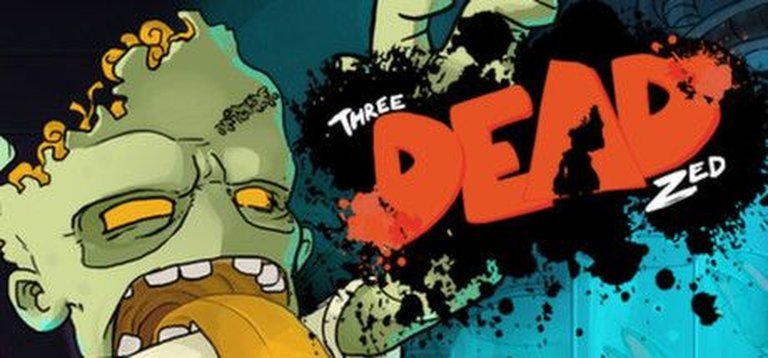
Three Dead Zed is a comedic fantasy action/puzzle-platformer set in a side-scrolling 2D world, where players control an experimental zombie that can transform into three unique forms to solve puzzles, battle enemies, rescue kittens, and stage a violent escape from its captors, blending quick reflexes, problem-solving, and lighthearted humor with charming hand-drawn visuals.
Gameplay Videos
Where to Buy Three Dead Zed
PC
Three Dead Zed Free Download
Three Dead Zed Reviews & Reception
metacritic.com : Three Dead Zed delivers a decent puzzle platformer experience but it’s largely weighed down by finicky controls, lackluster voice acting, a repetitive soundtrack, and some annoying design decisions.
Three Dead Zed: Review
Introduction
In an era drowning in zombie apocalypses where the undead are perpetually fodder for human heroes, Three Dead Zed flips the script with gleeful abandon: you are the zombie, breaking free from a mad science lab in a whirlwind of shape-shifting mayhem, puzzle-solving, and kitten-rescuing absurdity. Released in 2012 by the plucky indie outfit Gentleman Squid Studio, this 2D action-puzzle-platformer arrived amid a saturated market of gore-soaked shooters, yet carved a niche through its hand-drawn charm and comedic bite. As a game historian, I see Three Dead Zed as a testament to indie ingenuity—a brief but infectious romp that humanizes (or zombifies?) its protagonist, blending Trine-like form-switching with Super Meat Boy-esque precision demands. My thesis: while flawed by floaty controls and brevity, Three Dead Zed endures as a delightful underdog, proving that humor and creativity can outshine polish in the zombie genre’s graveyard of clones.
Development History & Context
Gentleman Squid Studio, a small indie team led by figures like Fabian (the outspoken team lead), birthed Three Dead Zed from a vision conceived nearly three years before its January 24, 2012, Windows debut, with Linux and enhanced editions following swiftly. As a division possibly tied to JHT, the studio operated on shoestring resources, employing a custom engine optimized for low-spec hardware (Pentium 4 2.2 GHz, 512 MB RAM, GeForce 8800 or equivalent). This era’s technological constraints—prevalent in the post-Minecraft indie boom—favored 2D pixel art, but Gentleman Squid bucked trends with fully hand-drawn, paper-like digital illustrations, scanning and polishing each frame for a tactile, cartoonish feel.
The 2012 gaming landscape was a zombie apocalypse unto itself: Dead Island, Dead Space 2, and endless Left 4 Dead clones dominated, while platformers like Super Meat Boy (2010) and Trine 2 (2011) elevated puzzle-platforming. Development delays from competing projects left Gentleman Squid nervous amid this oversaturation; as their January 2012 dev diary confessed, “Zombie game after zombie game was announced… we felt we still had an original idea.” Patches addressed controller support, Linux bugs, and enhancements (new engine, graphics, music, effects, more cats), culminating in a 2014 Steam release. Bundles (Groupee, IndieGameStand) and sales (“Because We May”) sustained it commercially, but its DIY ethos—evident in community fixes and free keys—epitomized early Steam indies fighting for visibility.
Narrative & Thematic Deep Dive
Three Dead Zed‘s plot is a pitch-black comedy goldmine, unfolding in a secret government lab tied to the Z.E.D. project: scientists engineer zombies with intelligence and transformation for weaponization or cheap labor, only for the protagonist—an experimental subject—to rebel during a training mishap. Escaping testing chambers, you wreak havoc on guards, scientists, and pistons, culminating in a “violent exit that won’t be forgotten.” Hidden audio logs at hard-to-reach workstations flesh out the lore, revealing corporate greed and absurd experiments, delivered with snappy, well-voiced dialogue that skewers mad science tropes.
The three forms embody narrative flair: the “normal” zombie (shuffler) climbs ladders and melee-attacks weakly; the “sprinter” (skittish spider-zombie) zips fast, wall-clings, and leaps but crumbles under hits; the “bruiser” (hulking female zombie, dubbed “zombie-albromania” in some descriptions) smashes walls, lifts heavies, and tanks bullets but plods sans jumps. Themes pivot on subversion—zombies as heroes reclaim agency, exacting revenge with sadistic glee (scaring grannies into sawblades). Absurdity reigns via collectible kittens in tinfoil hats, tying into a “weird and funny” backstory uncovered per stage. This inner-child appeal (“chews on its brain”) contrasts gore with whimsy, critiquing exploitation while reveling in chaos. Dialogue shines in over-the-top deaths and logs, though voice acting occasionally falters into lackluster territory, elevating it beyond rote zombie fare.
Gameplay Mechanics & Systems
At its core, Three Dead Zed loops through side-scrolling levels blending platforming, light puzzles, and combat, demanding constant form-switching for progression. The normal zombie handles basics—pushing boxes, ladder-climbing, switch-hitting—while sprinter navigates spikes/lasers via speed/wall-stick, and bruiser demolishes barriers or yeets objects. Combat is visceral: weak melee for normals, none for sprinters, devastating falls/smashes for bruisers against gun-toting soldiers and hazards like sawblades/pistons. Progression is linear, unlocking challenge stages post-story for precision tests (fewer checkpoints, tighter jumps).
Innovations shine in state-saving checkpoints: flip a distant switch, die en route to the exit? It stays open, slashing frustration. UI is clean—rebindable keys/gamepad support, form-switch prompts—but floaty physics plague precision (jarring run transitions, imprecise landings), drawing Mario/Super Meat Boy comparisons it can’t match. Puzzles are simple (route-specific forms, environmental manipulation), combat button-mashy, lacking depth. No RPG progression, just skill mastery. Bugs (early Linux exe issues) were patched, but controls remain divisive—fun for casual romps, frustrating for masochists in challenges.
| Form | Strengths | Weaknesses | Best For |
|---|---|---|---|
| Normal | Climb, carry small items, weak attack | Average speed/jump | Versatile basics, switches |
| Sprinter | Fast run, high/long jumps, wall-cling | Fragile, no attack/items | Hazards, speed sections |
| Bruiser | Tanky, smash walls, lift heavies | Slow, no jump | Destruction, heavy puzzles |
World-Building, Art & Sound
The sterile lab sprawls with testing chambers, corridors, and vents, evolving from sterile whites to chaotic blood-splattered hellscapes. Atmosphere thrives on contrast: clinical sci-fi invaded by cartoon gore, fostering claustrophobic tension amid humor. Hazards (lasers, pistons) and NPCs (panicking employees) populate dynamically, with kittens adding whimsy.
Art is the star—hand-drawn, Saturday-morning-cartoon style with every frame (characters, effects, textures) digitized from paper sketches. Unique zombie designs ooze personality: sprinter’s jittery scamper, bruiser’s lumbering bulk. Animations pop (explosive blood sprays, humorous deaths), though transitions jar. The digital art book bonus unveils this process.
Sound design amplifies comedy: squelchy impacts, panicked screams, narration tie lore. Music is upbeat chiptune-esque but repetitive; voice logs amuse, yet acting underwhelms. Collectively, they brew infectious joy, making violence feel playful.
Reception & Legacy
Launch reception was modestly positive: MobyGames 75% (one critic), Hooked Gamers 7.5/10 praising writing/visuals, GameGrin 7/10 for humor/variety despite shortness/frustration, Twinfinite 4/5, Power Up Gaming 9/10. Detractors hit hard—GameWatcher 20/100 (“amateurish”), Softpedia 65/100 (finicky controls, soundtrack). Steam’s 62% positive (27 reviews, 179 total mixed 65%) reflects this: charm wins fans, controls alienate.
Commercially, $5.99 pricing, bundles, and free keys buoyed it (30 MobyGames collectors), but no blockbuster. Legacy is niche: no major influencers, though form-switching echoes Trine. In zombie history, it prefigures hero-zombies (Zombie Army series indirectly), symbolizing 2012 indies’ grit amid oversupply. Patches/enhancements show dev passion; today, it’s a forgotten Steam curiosity, ripe for bundles.
Conclusion
Three Dead Zed distills indie platforming’s essence: bold ideas trumping budgets, with shape-shifting zombies, tinfoil kittens, and lab carnage crafting a 2-hour riot that’s funny, charming, and replayable via challenges. Floaty controls, simplicity, and brevity hobble it—no timeless classic like Super Meat Boy—yet its hand-drawn soul and subversive humor secure a quirky footnote in zombie/platformer history. Verdict: Recommended for indie completists and zombie subversives (7.5/10). Rediscover it on a Steam sale; it’ll chew your brain with a grin.