
- Release Year: 2012
- Platforms: Linux, Windows
- Publisher: Desunoya, Sekai Project, Inc.
- Developer: Desunoya
- Genre: Action
- Perspective: Side view
- Game Mode: Single-player
- Gameplay: Aviation, Direct control, Flight, Platform
- Setting: Fantasy
- Average Score: 63/100
Description
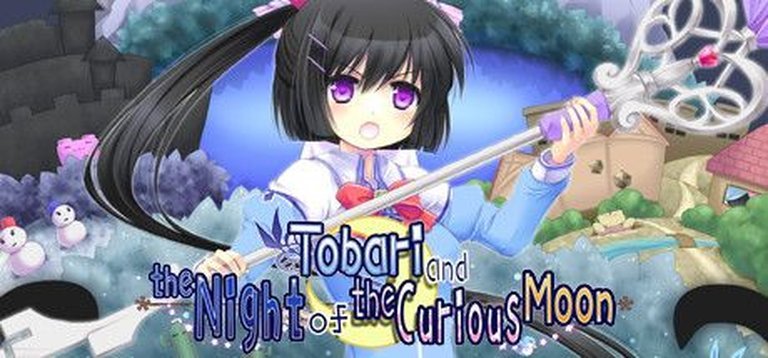
Tobari and the Night of the Curious Moon is a 2D platformer set in a fantastical anime-inspired world. Players take control of Tobari, a young protagonist navigating through a series of challenging levels filled with magical powers and intricate puzzles. The game combines side-scrolling action with flight mechanics, offering a unique blend of exploration and combat. As Tobari journeys through various environments, they must master different abilities to overcome obstacles and defeat enemies, making it a captivating experience for fans of the genre.
Gameplay Videos
Where to Buy Tobari and the Night of the Curious Moon
PC
Tobari and the Night of the Curious Moon Reviews & Reception
metacritic.com (50/100): Tobari and the Night of the Curious Moon is a mouthful of a title that isn’t as magical as desired.
hardcoregamer.com : controls aren’t quite there yet.
Tobari and the Night of the Curious Moon: A Moonlit Odyssey of Magic and Mishaps
Introduction
In the crowded cosmos of indie platformers, Tobari and the Night of the Curious Moon (2012) shines as a curious relic—a doujin gem that blends the whimsy of Kirby with the precision demands of Super Meat Boy. Developed by Desunoya and localized by Sekai Project, this side-scrolling adventure follows Tobari, a dutiful hall monitor thrust into a surreal lunar conspiracy, armed with a magic-stealing Keystaff and unwavering determination. While critics initially met the game with mixed reviews (averaging 59% on MobyGames), its cult following praises its charm and inventive mechanics. This review argues that Tobari is a flawed but fascinating experiment—a game whose momentum-based platforming and thematic warmth are undermined by slippery controls and uneven design.
Development History & Context
A Doujin Dream Takes Flight
Tobari emerged from Japan’s doujin scene, where small teams create passion projects akin to Western indie devs. Desunoya, an obscure studio, debuted the game at Comiket 81 in 2012 as Fushigi na Tsuki no Yoru no Tobari. Its 2015 Steam release via Sekai Project marked a rare crossover of doujin culture into Western markets, aided by Mauve (notable for Touhou fan translations).
Technological and Cultural Constraints
Built with rudimentary 2D tools, Tobari reflects the limitations of doujin budgets: minimalist environments, static sprites, and a reliance on retro platforming tropes. Yet its anime aesthetic—bursting with moe charm—resonated with niche audiences hungry for accessible, story-driven action.
The Platformer Renaissance
Arriving amidst the indie boom of the early 2010s (Super Meat Boy, Shovel Knight), Tobari stood out for its Japanese-inflected take on the genre, blending Super Mario Bros.-style progression with Kirby-esque power-stealing. However, its lack of polish paled next to contemporaries, contributing to its lukewarm critical reception.
Narrative & Thematic Deep Dive
A Tale of Lunar Intrigue
The plot centers on Tobari’s quest to save her best friend Hina, who vanishes after a mysterious moon-induced timeskip. The story unfolds via visual novel-esque interludes, revealing a conspiracy involving rabbit-eared invaders and lunar royalty. While light on depth, its themes of mutual protection and sacrifice strike emotional chords: Hina’s arc epitomizes “I Want My Beloved to Be Happy”, driving her to risk isolation to shield Tobari.
Characters as Archetypes, Not Individuals
Tobari embodies the plucky shonen protagonist, while bosses like Tsubaki (an Elegant Gothic Lolita) and Asuka (a Passionate Sports Girl) feel lifted from anime tropes. Yet their designs—coupled with snippets of witty dialogue—add personality to an otherwise straightforward narrative.
Themes of Friendship and Identity
The game’s emotional core lies in Tobari and Hina’s bond, which fractures due to their shared desire to protect one another. The True Final Boss—Lucea, a moon princess corrupted by loneliness—mirrors this dynamic, framing the conflict as a metaphor for communication breakdowns in close relationships.
Gameplay Mechanics & Systems
Power Copying: A Double-Edged Staff
Tobari’s Keystaff lets her “borrow” abilities from enemies, evoking Kirby’s DNA. Fireballs melt ice barriers, wind gusts enable double jumps, and lightning strikes distant switches. However, the system falters when powers are mandatory but missable, forcing restarts if players defeat enemies incorrectly.
Momentum Mayhem
Critics universally panned the slippery controls. Tobari’s jump distance ties to her running speed, creating unpredictable leaps akin to “ice physics on a trampoline” (The Game Hoard). This friction clashes with late-game precision challenges, where pixel-perfect platforming is demanded but rarely mastered.
Boss Battles and Brutal Bonus Levels
Bosses like Asuka (volleyballs) and Tsubaki (minion summons) offer creative patterns, but the post-game World??—a Brutal Bonus Level blending I Wanna Be the Guy cruelty with illogical puzzles—tests patience more than skill. The True Final Boss, boasting multiple health bars and bullet-hell attacks, feels satisfying only for masochists.
UI and Progression
The game employs a Point-and-Click Map for world selection and shops selling power-ups and hints. While functional, the UI’s reliance on tiny text and cluttered HUD elements (hearts, lives, coins) feels archaic.
World-Building, Art & Sound
Aesthetic Whimsy Meets Lunar Mystique
The game’s anime/manga art style dazzles with vibrant colors and expressive character sprites, though environments like the Slippy-Slidey Ice World recycle assets. The moonlit dreamscape juxtaposes cozy schoolyards with eerie castles, evoking a Dream Land aesthetic.
Sound Design: Soothing Yet Forgettable
Tracks range from jaunty chiptunes to melancholic piano loops, reinforcing the story’s tonal shifts. However, repetitive battle themes and lack of vocal tracks leave the OST overshadowed by contemporaries like Touhou.
Atmosphere Through Contrast
The clash between Tobari’s cheerful demeanor and the moon’s ominous influence creates a uniquely bittersweet vibe—a hallmark of Japanese indie storytelling.
Reception & Legacy
Critical Divide
At launch, critics praised its charm but lambasted its controls (Hardcore Gamer: “Not as magical as desired”). Yet players rated it 81/100 on Steambase, highlighting its niche appeal.
Cult Status and Influence
While not a commercial hit, Tobari inspired sequels (Tobari 2: Dream Ocean, 2019) and cemented Desunoya’s reputation in the doujin scene. Its power-copying mechanics arguably influenced later indies like A Hole New World.
The Doujin Paradox
The game exemplifies the strengths and limitations of doujin development: inventive ideas hampered by technical constraints, resonating deeply with a subset of players while alienating mainstream audiences.
Conclusion
Tobari and the Night of the Curious Moon is a paradoxical creation—a game brimming with heart yet hobbled by its own design. Its innovative power system and evocative narrative deserve praise, but slippery controls and uneven difficulty curb its potential. For platformer enthusiasts willing to forgive its flaws, it offers a moonlit journey worth taking. For others, it remains a curious footnote—a testament to the raw creativity of doujin culture, forever teetering between charm and frustration. 3/5 stars.