
- Release Year: 2002
- Platforms: GP32, Windows
- Publisher: Game Park, M Dream Co., Ltd.
- Developer: Seed9 Entertainment Inc.
- Genre: Action
- Perspective: Side view
- Game Mode: Co-op, Single-player
- Gameplay: Arcade, Shooter
- Setting: Anime, Manga
- Average Score: 59/100
Description
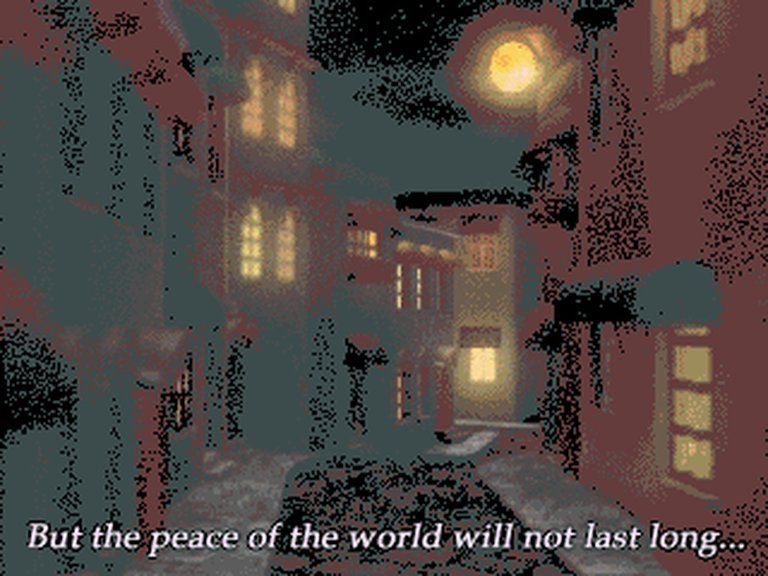
Tomak: Save the Earth, Again is a horizontal scrolling shooter with anime-inspired graphics, featuring large enemies and massive end-level bosses. Players choose from three unique characters—Evian (a girl in a flowerpot), Bastylo (a red demon), or Night Moon Shine (a wizard)—and battle through stages, charging a meter to unleash powerful secondary weapons. The game supports cooperative arcade mode or competitive versus mode for up to two players.
Gameplay Videos
Tomak: Save the Earth, Again Cracks & Fixes
Tomak: Save the Earth, Again Patches & Updates
Tomak: Save the Earth, Again Reviews & Reception
mobygames.com (58/100): A horizontal scrolling shooter from Korea with large enemies and giant bosses.
squakenet.com : A little known Korean actioner that doesn’t offer much in the way of innovation in its gameplay, but more than makes up for this with its superb art style and intense action.
retro-replay.com : Tomak: Save the Earth, Again delivers frantic horizontal-shooter mayhem straight from Korea, wrapped in stunning pixel artwork reminiscent of the legendary Metal Slug series.
Tomak: Save the Earth, Again – A Forgotten Gem of Korean Arcade Shooting
Introduction: The Unlikely Hero of the GP32
In the early 2000s, as the gaming world fixated on the PlayStation 2, Xbox, and GameCube, a small but ambitious Korean handheld console, the GP32, quietly carved its niche. Among its limited library, Tomak: Save the Earth, Again (2002) emerged as a standout—a horizontal scrolling shooter that defied expectations with its whimsical characters, Metal Slug-inspired visuals, and frantic arcade action. Developed by Seed9 Entertainment and published by Game Park and M Dream Co., Ltd., this game was a rare commercial release for the GP32, later ported to Windows with mixed reception.
At first glance, Tomak appears to be just another shmup (shoot ’em up), but its bizarre premise—featuring a girl in a flowerpot, a red demon, and a wizard—sets it apart. The game’s short but intense campaign, cooperative and competitive multiplayer modes, and charge-based weapon system make it a fascinating case study in early 2000s indie arcade design.
This review will dissect Tomak’s development, gameplay, narrative quirks, and legacy, arguing that while it may not be a masterpiece, it remains a cult classic worthy of rediscovery.
Development History & Context: A Korean Shooter in a Crowded Market
The GP32: Korea’s Answer to the Game Boy Advance
The GP32 was Game Park’s attempt to compete with Nintendo’s dominance in handheld gaming. Released in 2001, it was a technically impressive device for its time, featuring:
– 32-bit ARM CPU
– 3.5-inch LCD screen
– Expandable storage via SmartMedia cards
However, due to limited third-party support and niche appeal, the GP32 struggled commercially. Tomak: Save the Earth, Again was one of the few commercially successful titles for the system, showcasing what Korean developers could achieve with limited resources.
Seed9 Entertainment: From Life Sim to Shooter
Seed9 Entertainment was a small but innovative Korean studio. Before Tomak, they developed Tomak: Save the Earth – Love Story (2001), a bizarre life simulation where players cultivated potted plants with human heads—think Tamagotchi meets Princess Maker with a surreal twist.
The shift from life sim to shooter was unexpected, but Tomak: Save the Earth, Again retained the whimsical art style of its predecessor while adopting fast-paced arcade mechanics. The game’s three playable characters—Evian (the flowerpot girl), Bastylo (the red demon), and Night Moon Shine (the wizard)—were carryovers from the original, now repurposed as intergalactic warriors.
Technological Constraints & Design Choices
Given the GP32’s hardware limitations, Seed9 had to optimize Tomak for smooth performance while maintaining visual flair. The result was a game that:
– Used large, detailed sprites (similar to Metal Slug)
– Featured screen-filling bosses (a staple of classic shooters)
– Implemented a simple but effective charge mechanic (to add depth without complexity)
The Windows port (released later in 2002) was essentially an upscaled version of the GP32 original, with no major gameplay changes. This lack of polish hurt its reception on PC, where players expected more content and refinement.
The Gaming Landscape in 2002
2002 was a golden year for shooters, with titles like:
– Ikaruga (Dreamcast/GCN)
– R-Type Final (PS2)
– Gradius V (PS2)
Tomak couldn’t compete with these high-budget masterpieces, but it found a niche audience thanks to its charm, accessibility, and multiplayer modes.
Narrative & Thematic Deep Dive: Saving the Earth with Style
Plot Overview: A Simple but Effective Premise
Tomak’s story is minimalist:
– Aliens invade Earth.
– Three unlikely heroes (Evian, Bastylo, Night Moon Shine) team up to stop them.
– Each character has a distinct personality, reflected in their dialogue and abilities.
The game doesn’t take itself seriously, embracing over-the-top anime tropes and absurd humor. The ending illustration (featuring the characters walking with the original Tomak protagonist in flowerpot form) suggests a meta-narrative connection to the first game.
Character Analysis: Who Are These Heroes?
| Character | Description | Playstyle |
|---|---|---|
| Evian | A cheerful girl trapped in a flowerpot, wielding vine-based attacks. | Balanced – Medium speed, decent firepower. |
| Bastylo | A red demon with fiery attacks and a gruff personality. | Slow but powerful – High damage, low mobility. |
| Night Moon Shine | A mysterious wizard with magic projectiles. | Fast but weak – High speed, low damage. |
Each character has unique voice clips, adding personality to the otherwise arcade-style gameplay.
Themes: Whimsy, Teamwork, and Absurdity
Tomak doesn’t delve into deep philosophical themes, but it celebrates:
– Unlikely heroism (a girl in a pot saving the world)
– Teamwork (co-op mode encourages coordination)
– Absurdity (the game’s tone is lighthearted and silly)
The boss designs (giant robots, alien monsters) and stage themes (industrial zones, lava caves) reinforce the classic arcade aesthetic, making Tomak feel like a love letter to 90s shooters.
Gameplay Mechanics & Systems: A Classic Shooter with a Twist
Core Gameplay Loop: Shoot, Charge, Repeat
Tomak follows the traditional horizontal shooter formula:
1. Fly through stages, dodging enemy fire.
2. Shoot enemies to fill the charge meter.
3. Unleash secondary weapons for mass destruction.
The charge mechanic is the game’s most innovative feature:
– Every hit fills a blue energy bar.
– Once full, players can switch to a powered-up weapon (e.g., homing missiles, spread shots).
– Balancing regular fire and charged attacks adds strategic depth.
Combat & Progression: Simple but Satisfying
- No traditional “power-ups”—instead, the charge system replaces them.
- Boss fights are multi-phase, requiring pattern recognition and quick reflexes.
- Difficulty ramps up quickly, but checkpoints are generous.
Multiplayer Modes: Co-op & Versus
- Arcade Mode (2-player co-op): Team up to double the firepower.
- Versus Mode: Compete for high scores in a split-screen battle.
The GP32 version lacked online play, but the local multiplayer was a standout feature for its time.
Flaws & Missed Opportunities
Despite its strengths, Tomak suffers from:
– Extremely short length (only 4 stages, each lasting 2-3 minutes).
– Lack of replayability (no unlockables, alternate paths, or difficulty modes).
– Balancing issues (some weapons feel overpowered, while others are useless).
Critics (like Insert Credit) noted that with minor tweaks—more stages, better balancing, and an options menu—Tomak could have been a **true classic.
World-Building, Art & Sound: A Visual Feast
Visual Style: Metal Slug Meets Anime
Tomak’s pixel art is stunning, with:
– Detailed character sprites (Evian’s vines, Bastylo’s flames).
– Massive, screen-filling bosses (reminiscent of R-Type).
– Vibrant, varied stages (lava caves, futuristic cities).
The GP32’s limited resolution didn’t hold the game back—Seed9’s artists maximized every pixel.
Sound Design: Catchy but Repetitive
- Upbeat, arcade-style music (composed by Gun Kim & Seungwoo Han).
- Character voice clips add personality but repeat frequently.
- Sound effects (explosions, weapon fire) are satisfying but not groundbreaking.
Atmosphere: Pure Arcade Nostalgia
Tomak feels like a lost 90s arcade game, blending:
– Fast-paced action
– Colorful visuals
– Simple but addictive gameplay
It’s a time capsule of early 2000s indie arcade design.
Reception & Legacy: A Cult Classic, Not a Masterpiece
Critical Reception: Mixed but Generally Positive
| Publication | Platform | Score | Verdict |
|---|---|---|---|
| Insert Credit | GP32 | 90% | “Best commercial game for GP32.” |
| Pocket Magazine | GP32 | 60% | “Short but fun.” |
| Absolute Games | Windows | 50% | “Charming but niche.” |
| 7Wolf Magazine | Windows | 30% | “Too short, too simple.” |
Common Praise:
✅ Great visuals & boss designs
✅ Fun charge mechanic
✅ Good multiplayer modes
Common Criticisms:
❌ Extremely short (4 stages)
❌ Lack of replay value
❌ Balancing issues
Commercial Performance & Legacy
- GP32 version was one of the system’s best-sellers.
- Windows port was overshadowed by bigger shooters.
- Cult following among retro gamers & shmup fans.
Tomak’s influence can be seen in later indie shooters that prioritize charm over complexity.
Conclusion: A Flawed but Memorable Shooter
Tomak: Save the Earth, Again is not a perfect game, but it’s a fascinating artifact of early 2000s Korean gaming. Its whimsical characters, Metal Slug-inspired visuals, and innovative charge mechanic make it worth playing, even if its short length and lack of depth hold it back.
Final Verdict: 7/10 – A Cult Classic Worth Rediscovering
For:
✔ Fans of retro shooters
✔ Those who love bizarre character designs
✔ Players who enjoy local co-op
Against:
✖ If you want a long, deep experience
✖ If you dislike repetitive gameplay
Tomak may not have saved the Earth, but it saved the GP32’s reputation—and that’s no small feat.
Would you play Tomak today? Or does its short length make it a relic of its time? Let us know in the comments! 🚀🎮