
- Release Year: 2006
- Platforms: Windows
- Publisher: NevoSoft LLC, SdLL, S.A.S.
- Developer: NevoSoft LLC
- Genre: Puzzle
- Perspective: Side view
- Game Mode: Single-player
- Gameplay: Falling block puzzle, Tile matching puzzle
- Setting: Sea pirates
Description
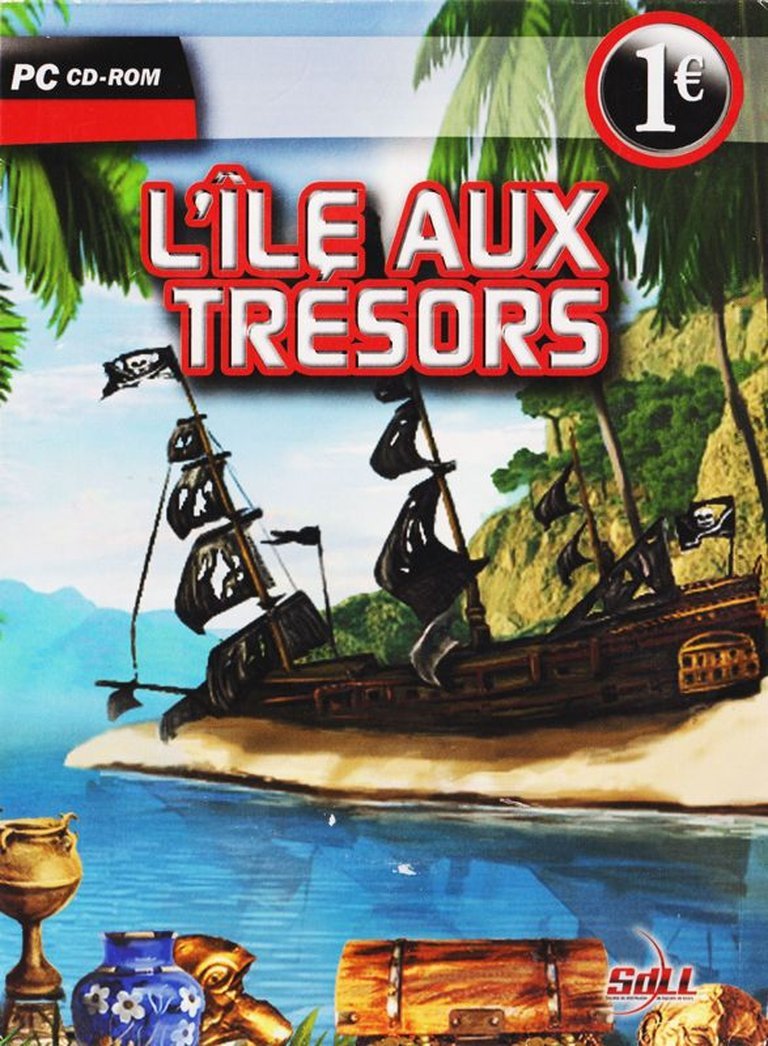
Treasure Island is a pirate-themed match-three puzzle game where players strategically drag and drop items to create rows of three or more identical objects, clearing brown tiles to unlock treasure chests and progress through levels. Set on a mysterious island, the game features timed challenges, explosive bonuses for matching four or more items, and whimsical animations like dancing skeletons upon victory. Developed by NevoSoft LLC in 2006, it blends classic tile-matching gameplay with a lighthearted seafaring adventure.
Gameplay Videos
Where to Buy Treasure Island
PC
Treasure Island Cracks & Fixes
Treasure Island Patches & Updates
Treasure Island Guides & Walkthroughs
Treasure Island Reviews & Reception
gameboomers.com : With so many piratical goings-on out there, can this latest PC adventure distinguish itself?
uhs-hints.com : Excellent graphics, outstanding integration with original story, good game flow; but sometimes crashes, and could be a bit more challenging.
Treasure Island: A Cinematic Dive into Stevenson’s Pirate Legacy
Introduction
In 1883, Robert Louis Stevenson’s Treasure Island immortalized wooden legs, talking parrots, and buried gold as pirate lore staples. Over a century later, Kheops Studio’s Destination: Treasure Island (2006) resurrected Jim Hawkins’ saga as a playable sequel, charting a course through 3D exploration, inventive puzzles, and moral ambiguity. This review argues that while the game lacks technical polish and innovation, its fidelity to Stevenson’s spirit, atmospheric world-building, and logical puzzle design cement it as a cult gem for adventure enthusiasts and literary purists.
Development History & Context
Studio Vision & Era Constraints
Developed by French studio Kheops (Return to Mysterious Island, The Secrets of Da Vinci) and published by Nobilis, Destination: Treasure Island arrived during a transitional era for adventure games. By 2006, the genre was eclipsed by first-person shooters and open-world RPGs, pushing smaller studios toward niche audiences. Kheops leaned into narrative depth, adapting lesser-known literary works with a focus on environmental puzzles rather than combat.
Technological Ambitions
Built on Kheops’ proprietary engine, the game aimed for cinematic immersion with 360° panoramic views, motion-captured animations, and dynamic lighting. However, budget constraints limited facial animations and caused occasional crashes (UHS Review). The fixed-node movement system—common in early 2000s titles like Myst—prioritized visual detail over fluid exploration, a trade-off that divided players.
Gaming Landscape
Releasing alongside AAA titans like The Elder Scrolls IV: Oblivion, Destination: Treasure Island targeted a shrinking adventure demographic. Its blend of classic storytelling and inventory-based puzzles harked back to ’90s titans like Broken Sword, but lacked the genre-redefining impact of contemporaries like Dreamfall.
Narrative & Thematic Deep Dive
Plot & Characters
The game picks up four years after the novel: Jim Hawkins (now 17) captains the Hispaniola but is betrayed by vengeful pirates. A message from Long John Silver’s parrot, Captain Flint, lures him to Emerald Isle—a jungle-clad labyrinth hiding Silver’s final treasure. New characters like Antoinette (Squire Trelawney’s headstrong daughter) deepen Stevenson’s world, though her flirtatious banter with Jim feels anachronistic (GameBoomers Review).
Themes & Dialogue
Trust and Betrayal: Silver’s ghost looms large, his coded riddles testing Jim’s morality. One enigma warns: “Set a flame a-dancing in the dead man’s eyes”—a metaphor for greed’s corrosive allure. Dialogues, while minimally voiced, echo Stevenson’s wit: Silver’s parrot mocks players with sardonic quips, while drunken pirates slur sea shanties.
Divergences & Loyalties
The game’s climax controversially rewrites Stevenson’s ending, implying a sequel (never realized) rather than Jim’s quiet retirement. Purists bristled, but the twist underscores the narrative’s focus on eternal temptation—treasure hunting as cyclical addiction.
Gameplay Mechanics & Systems
Core Loop & Puzzles
The gameplay revolves around clue deciphering, inventory crafting, and node-based exploration. Standout features include:
– The Invention System: Combine items contextually (e.g., fuse rope + hook to scale cliffs).
– Knot-Tying Minigames: Manipulate ropes in pop-up windows—a novel but underutilized mechanic (HowLongToBeat).
– Rhyming Riddles: Silver’s verses demand environmental scrutiny (e.g., aligning sunbeams with stone carvings).
UI & Progression
A hotspot-finder (toggled via spacebar) aids pixel hunting, while a journal tracks objectives. However, the save system—limited to 8 slots with erratic ordering—frustrates replayability. Puzzles skew easy (GameSpot’s Brett Todd noted “logic over innovation”), though the Mayan calendar puzzle’s historical inaccuracy ruffled scholars (Adventure Game Database).
Flaws
Combat is absent. Pirates threaten but never engage physically, reducing tension. One gory piranha scene clashes tonally with the family-friendly facade.
World-Building, Art & Sound
Visual Design
Emerald Isle dazzles with bioluminescent caves, storm-lashed ship decks, and crumbling Mayan temples (inspired more by Pirates of the Caribbean than history). But facial animations—wooden and unsynced with dialogue—undercut emotional beats. Comic-book cutscenes during action sequences (e.g., ship battles) feel like budget-driven cop-outs.
Atmosphere & Soundscape
– Music: A stirring orchestral score blends Celtic fiddles with ominous percussion, heightening swashbuckling set-pieces.
– Ambiance: Waves crash, parrots squawk, and creaking planks immerse players in maritime dread.
– Voice Acting: Long John Silver’s grizzled baritone shines, but side characters suffer from inconsistent accents (e.g., British nobles with American twangs).
Reception & Legacy
Launch Reception
Destination: Treasure Island earned mixed-to-positive reviews:
– Metacritic: 74/100—praised for puzzles but panned for janky animations (Wikipedia).
– GameSpot: 7.5/10—called “a straightforward, logical adventure” (Brett Todd).
– PC Gamer: 78%—lauded its “invention system” as fresh yet accessible.
Commercial Impact & Influence
A modest seller (no sales figures disclosed), it found niche appeal in Europe. Though overshadowed by Kheops’ Return to Mysterious Island, its knot-tying mechanic inspired later titles like Heaven’s Vault. The game’s greatest legacy remains its bold narrative expansion of Stevenson’s work—a template Assassin’s Creed IV: Black Flag later emulated.
Conclusion
Destination: Treasure Island is a flawed but fondly remembered voyage. Its gorgeous environments, clever puzzles, and reverence for Stevenson’s themes outweigh dated animations and narrative missteps. While not genre-defining, it captures the spirit of piracy—treasure as a quest, not a prize. For adventure loyalists and literary enthusiasts, Jim Hawkins’ return remains a hidden chest worth unearthing. Final Verdict: A B-tier classic with A-tier heart.
References
– Wikipedia, MobyGames, GameBoomers, HowLongToBeat, IMDB, Adventure Game Database, UHS Review, GameSpot.