
- Release Year: 2023
- Platforms: Windows
- Publisher: Freedom Games LLC
- Developer: Gamecom Team Studio
- Genre: Action
- Perspective: 3rd-person
- Game Mode: Single-player
- Gameplay: Beat ’em up, brawler, RPG elements
- Setting: Contemporary
- Average Score: 64/100
Description
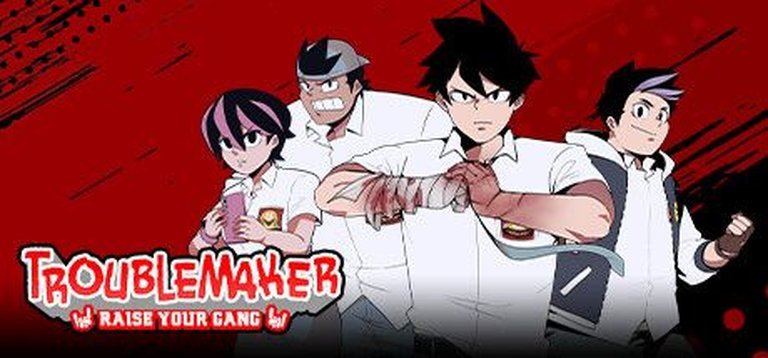
Troublemaker is a 3rd-person beat ’em up/brawler game with RPG elements, set in a contemporary Indonesian high school. Developed by Gamecom Team Studio and published by Freedom Games, the game features anime/manga-inspired art and direct control gameplay. Players engage in fast-paced combat, navigating a story-driven adventure with authentic Indonesian voice acting. While the game has received mixed reviews for its repetitive gameplay and occasional technical flaws, it stands out for its passionate storytelling, unique cultural setting, and energetic fighting mechanics.
Gameplay Videos
Where to Buy Troublemaker
Troublemaker Free Download
Troublemaker Cracks & Fixes
Troublemaker Mods
Troublemaker Guides & Walkthroughs
Troublemaker Reviews & Reception
opencritic.com (64/100): Overall, Troublemaker is a charming, yet somewhat flawed beat-’em-up title. While the atmosphere, presentation, setting, and ideas were executed well, there were some glaring issues that affected the overall package.
metacritic.com (65/100): Overall, I felt like Troublemaker is a solid but janky beat-em up. The atmosphere, presentation and story are all really well done, feeling like a Karate Kid type spin-off.
keengamer.com : The game brings many things to the table, and for me, none of them manage to land on their target. The fights and brawls that are the main star of the game? The controls are clunky and slow and the animations are stiff.
rectifygaming.com (70/100): Troublemaker presents a powerful story about school life, standing up for yourself, and taking responsibility. There is also a decent exploration mechanic when the world opens up. Poor combat systems and bugs get in the way of enjoyment.
monstercritic.com (59/100): Troublemaker is another Deadly Premonition, in that it’s a game that’s objectively flawed, broken and messy. Even so, the ridiculousness and sheer enjoyment it’ll bring to your face as you continue to play will make you love it for what it is – an immature, hilariously enjoyable beat-em-up with a non-sensical story and repetitive gameplay.
Troublemaker: A Flawed but Fierce Indonesian High School Brawler
Introduction
In the crowded landscape of beat ’em ups, Troublemaker emerges as a defiant underdog—a game that swings for the fences with its Indonesian setting, over-the-top combat, and a narrative steeped in high school gang culture. Developed by Gamecom Team and published by Freedom Games, Troublemaker is a love letter to classic brawlers like Bully and Yakuza, but with a distinctly Southeast Asian twist. It’s a game that divides critics and players alike, praised for its ambition and authenticity yet criticized for its janky mechanics and uneven execution. This review dissects Troublemaker in its entirety, exploring its strengths, weaknesses, and the cultural significance it brings to the gaming table.
Development History & Context
A Passion Project from Indonesia
Troublemaker is the brainchild of Gamecom Team, an Indonesian studio that sought to craft a game reflecting the country’s youth culture, school dynamics, and societal struggles. The game’s development was driven by a desire to showcase Indonesia’s gaming potential while paying homage to the beat ’em up genre. Released on March 31, 2023, for Windows, Troublemaker arrived during a renaissance of indie brawlers, competing with titles like Sifu and Teenage Mutant Ninja Turtles: Shredder’s Revenge.
Technological Constraints and Ambitions
Built on a modest budget, Troublemaker leverages a third-person perspective with a mix of 3D environments and anime-inspired 2D cutscenes. The game’s visual style is a deliberate clash of photorealistic character models and manga-esque artwork, creating a unique but sometimes disjointed aesthetic. The developers faced challenges in balancing combat fluidity, open-world exploration, and narrative depth, resulting in a game that feels both innovative and unfinished.
The Gaming Landscape at Launch
At the time of its release, Troublemaker stood out for its setting—a rarity in Western gaming. While games like Yakuza and Bully had explored school and gang violence, few had done so through the lens of Indonesian culture. This novelty became both a selling point and a double-edged sword, as the game’s localized humor and references sometimes alienated international audiences.
Narrative & Thematic Deep Dive
Plot: A Story of Redemption and Rebellion
Troublemaker follows Budi, a troubled teen with a history of street fights, as he enrolls in Sekolah Menengah Cipta Wiyata, a high school where violence is not just tolerated but institutionalized. The school’s student council, led by the ruthless Ricco, rules through intimidation, and Budi quickly finds himself entangled in their power struggles. After falling for Sophia, Ricco’s girlfriend, Budi declares war on the council, aiming to dismantle their regime through sheer force.
The narrative is a mix of coming-of-age drama and absurd comedy, with Budi’s journey reflecting themes of:
– Redemption: Budi’s struggle to escape his violent past while being pulled back into it.
– Class Struggle: The game critiques Indonesia’s education system, where graduates face unemployment and disillusionment.
– Friendship and Loyalty: Budi’s relationships with his gang—Boby, Rani, and Zaenal—drive the emotional core of the story.
Characters: A Cast of Misfits
– Budi: The protagonist, whose bandaged fists and hot-headed nature make him a classic antihero.
– Ricco: The sinister student council chairman, whose sunglasses and ruthless tactics make him a compelling villain.
– Sophia: Budi’s love interest, whose design and role have sparked controversy (more on this later).
– Boby: The comic relief, a chubby sidekick who evolves into a more confident figure by the game’s end.
– Zaenal: A rival-turned-ally, whose brute strength contrasts with Budi’s agility.
Dialogue and Localization
The game’s Indonesian voice acting is a standout feature, adding authenticity to the experience. However, the English subtitles and occasional gratuitous English lines (e.g., “Harder, daddy!”) highlight the game’s uneven localization. The dialogue oscillates between genuine emotional moments and cringe-worthy profanity, reflecting the developers’ attempt to balance realism with humor.
Themes: Violence, Identity, and Social Commentary
Troublemaker doesn’t shy away from dark themes:
– School Violence: The game’s setting normalizes fighting, raising questions about systemic failure.
– Abusive Families: Characters like Alan and Budi himself grapple with abusive home lives.
– Economic Disparity: The game’s subplot about unemployed graduates critiques Indonesia’s job market.
Gameplay Mechanics & Systems
Combat: A Mix of Fluidity and Frustration
Troublemaker’s combat is its most divisive element. Inspired by Yakuza and Bully, it features:
– Light/Heavy Attacks: Basic combos that can be chained into more advanced moves.
– Sick Moves: Over-the-top special attacks, like chair throws and flaming backflips.
– Dodging and Parrying: Mechanically sound but hampered by inconsistent hit detection.
Issues with Combat
– Camera Problems: The lack of a lock-on system makes group fights chaotic.
– Input Lag: Some players report delayed responses, especially during parries.
– Repetition: Enemy variety is limited, leading to tedious encounters.
Progression and Exploration
– Richard’s Shop: A Resident Evil 4-inspired merchant who sells health items, stat upgrades, and Sick Moves.
– Mini-Games: Push-up contests and other distractions add variety but feel underdeveloped.
– Open-World Elements: The school is explorable, but many areas are barred off, limiting freedom.
Stealth and Other Mechanics
The game’s lone stealth section (a night infiltration mission) is clunky and out of place, highlighting the developers’ struggle to diversify gameplay.
World-Building, Art & Sound
Setting: A Living, Breathing Indonesian School
Cipta Wiyata Vocational School is a character in its own right, with:
– Classrooms and Courtyards: Detailed environments that reflect Indonesian school culture.
– Rain-Soaked Battles: Atmospheric fights that elevate the drama.
Art Style: A Clash of Aesthetics
The game’s visuals are a mix of:
– Photorealistic Models: Characters that look stiff and outdated.
– Anime Cutscenes: Stylish but disjointed from the in-game graphics.
Sound Design: A Mixed Bag
– Voice Acting: Authentic but uneven, with some actors improving as the game progresses.
– Music: A strong rock soundtrack that amplifies combat but lacks memorability.
Reception & Legacy
Critical Reception: A Polarizing Debut
Troublemaker received a 55% average critic score on MobyGames, with reviews ranging from glowing to scathing:
– Praise: Critics applauded its authenticity, humor, and cultural representation.
– Criticism: Many cited clunky combat, repetitive gameplay, and technical issues.
Player Reception: A Cult Following
On Steam, the game holds a Very Positive rating (89% from 901 reviews), suggesting a dedicated fanbase that appreciates its charm despite its flaws.
Legacy: Paving the Way for Indonesian Games
Troublemaker’s success (or infamy) has positioned Gamecom Team as a studio to watch. Its sequel, Troublemaker 2: Beyond Dream, released in 2025, aims to refine the formula.
Conclusion: A Flawed Gem Worth Fighting For
Troublemaker is a game of contradictions—a passionate but messy brawler that stumbles in execution but soars in ambition. It’s a game that rewards patience, offering a unique glimpse into Indonesian youth culture while delivering visceral, if imperfect, combat. For fans of the genre, it’s a must-play; for others, it’s a curiosity worth exploring.
Final Verdict: 7/10 – A Rough Diamond in the Brawler Genre
Troublemaker isn’t perfect, but its heart, humor, and cultural significance make it a standout title in the beat ’em up landscape. If you can overlook its jank, you’ll find a game that punches above its weight.