
- Release Year: 2004
- Platforms: Windows
- Publisher: Proactive Games
- Developer: XTeam Software Solutions s.r.l.s
- Genre: Action, Puzzle
- Perspective: Fixed / flip-screen
- Game Mode: Hotseat, Single-player
- Gameplay: Falling block puzzle, Match-3
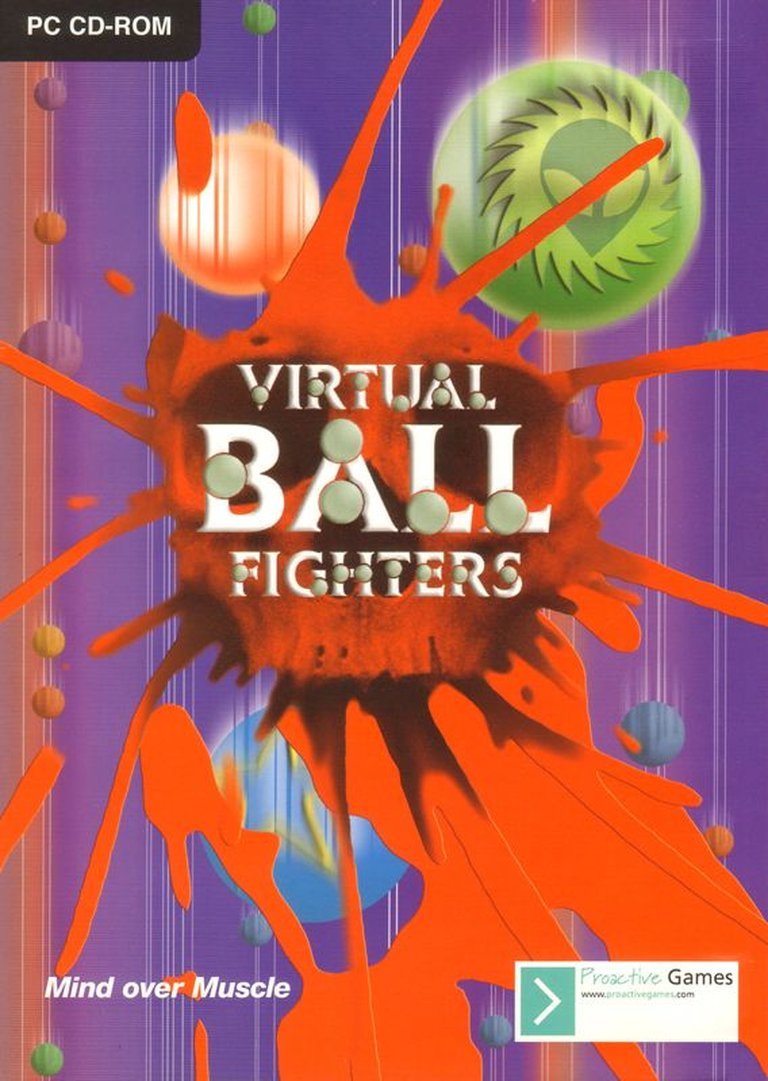
Description
Virtual Ball Fighters SE is an enhanced puzzle-action game where players strategically arrange falling colored blocks to form groups of three or more, either horizontally, vertically, or diagonally. Featuring competitive gameplay, it offers bonuses that aid the player or disrupt opponents, with modes including Single, Story, Versus, Battle, Mortal, Survival, and Time Dead. Choose from eight unique characters (four initially locked) and battle against the computer or another player in this vibrant, fast-paced twist on classic falling-block mechanics.
Virtual Ball Fighters SE Cracks & Fixes
Virtual Ball Fighters SE Reviews & Reception
softpile.com : It’s simply a joy to play.
Virtual Ball Fighters SE: Review
Introduction
Amid the bombastic rise of 3D action games and sprawling RPGs in the early 2000s, Virtual Ball Fighters SE (2004) carved out a quieter niche as a polished iteration of classic falling-block puzzle design. Developed by Italy’s XTeam Software Solutions and published by Proactive Games, this Windows-exclusive title offered a familiar yet refined take on the Columns-inspired genre, layering new modes, characters, and audiovisual flair onto its arcade-style foundations. While it never achieved mainstream recognition, Virtual Ball Fighters SE stands as a curious artifact of mid-2000s indie puzzle games—a title that balanced simplicity with ambition, even if its impact remained limited.
Development History & Context
XTeam Software Solutions, a small studio with scant public documentation, positioned Virtual Ball Fighters SE as an enhanced version of its earlier Virtual Ball Fighters. Released in 2004 during a transitional era for PC gaming—marked by the rise of online multiplayer and the decline of CD-ROM-centric distribution—the game’s design reflected both technological constraints and genre conventions. Built for Windows 98/2000/XP systems with modest specs (Pentium 333MHz, 32MB RAM), it prioritized accessibility over innovation, aligning with budget-friendly puzzle titles like Magical Drop and Puzzle Quest.
The early 2000s puzzle landscape was saturated with clones and revivals, but Virtual Ball Fighters SE distinguished itself with local multiplayer and a roster of unlockable characters—a rarity in the genre. Its CD-ROM distribution, while increasingly outdated, catered to players without broadband internet, emphasizing offline playability.
Narrative & Thematic Deep Dive
As a puzzle game, Virtual Ball Fighters SE eschews narrative complexity. Its minimal storytelling revolves around eight characters (four locked initially), each likely distinguished by visual design rather than backstory. The “Story Mode” hinted in promotional materials suggests a light framework for progression, but unlike contemporaries such as Lumines, there’s no thematic cohesion or emotive arc.
Thematic focus rests on competition: Versus, Battle, and Mortal modes pit players against AI or friends, while Survival and Time Dead emphasize endurance. The lack of narrative ambition isn’t a flaw but a reflection of its arcade roots—a pure, unpretentious celebration of skill and strategy.
Gameplay Mechanics & Systems
At its core, Virtual Ball Fighters SE is a falling-block puzzle game where players align colored orbs in horizontal, vertical, or diagonal groups of three or more to clear them. Key mechanics include:
– Bonus Blocks: Special orbs that aid the player or sabotage opponents, adding tactical depth.
– Seven Modes: Single, Story, Versus, Battle, Mortal, Survival, and Time Dead cater to solo and competitive playstyles.
– Character Selection: Eight characters, though differences appear purely cosmetic or tied to unlockable progression.
The UI is utilitarian, with a fixed/flip-screen layout prioritizing readability. While lacking the flash of Tetris Effect or the sophistication of Puyo Puyo Tetris, its systems are robust, with a steep difficulty curve in Survival and Mortal modes. Flaws include repetitive gameplay loops and underdeveloped AI, but the local multiplayer shines as a highlight.
World-Building, Art & Sound
Virtual Ball Fighters SE’s visual identity is functional, blending early-2000s PC game aesthetics with bright, cartoonish orb designs. The enhanced “hi-res” graphics (relative to its predecessor) and cinematic cutscenes suggest ambition, but the art style lacks the polish of contemporaries like Zoo Keeper.
Sound design is similarly straightforward: upbeat synth tracks and crisp sound effects accompany gameplay, though no compositions stand out as memorable. The audiovisual package serves its purpose but lacks the atmospheric cohesion of genre giants like Portal or Bejeweled.
Reception & Legacy
Critically, Virtual Ball Fighters SE left little trace—no reviews on Metacritic or MobyGames underscore its obscurity. Its commercial performance is equally opaque, though its budget pricing and niche appeal likely limited its reach.
Yet its legacy persists as a footnote in the Columns lineage, exemplifying the mid-2000s wave of indie puzzle games that prioritized iterative design over reinvention. While overshadowed by Lumines (2004) and Metroid Prime Pinball (2005), it offered a competent, multiplayer-focused experience for casual players.
Conclusion
Virtual Ball Fighters SE is neither revolutionary nor forgotten. It’s a testament to the era’s iterative puzzle-game design, blending accessibility with modest innovation. Its lack of narrative depth and audiovisual restraint are counterbalanced by solid mechanics and local multiplayer charm. For historians, it exemplifies the challenges faced by small studios in a rapidly evolving market—a game that dared to iterate quietly in an age of louder, bolder sequels. While not a masterpiece, Virtual Ball Fighters SE deserves recognition as a earnest, if unremarkable, contender in the puzzle genre’s periphery.
Final Verdict: A competent but overlooked puzzle oddity, best enjoyed by retro enthusiasts and die-hard Columns fans seeking a deeper challenge.