
- Release Year: 2015
- Platforms: Macintosh, PlayStation 4, PS Vita, Windows
- Publisher: Gamepoch, Inc., Mike Bithell Games Limited
- Developer: Mike Bithell Games Limited
- Genre: Action
- Perspective: Diagonal-down
- Game Mode: Single-player
- Gameplay: Level editor, Puzzle, Stealth
- Setting: Futuristic, Sci-fi
- Average Score: 79/100
Description
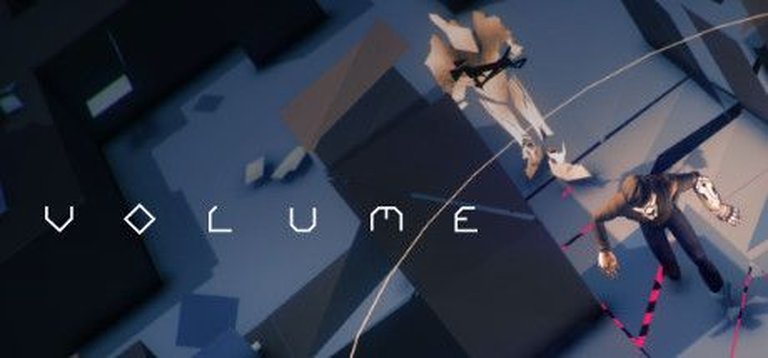
Volume is a stealth-based action game that reimagines the Robin Hood legend in a futuristic setting. Players control Robert Locksley, a thief who discovers a military training simulator called Volume and uses it to broadcast virtual heists targeting the wealthy. The game unfolds through 100 missions guarded by AI opponents called Pawns, where players must navigate maze-like levels using gadgets and environmental interactions while staying undetected. The narrative pits Locksley against corporate antagonist Guy Gisborne, with story elements revealed through in-game notes and conversations with an AI companion named Alan. Its distinctive top-down perspective, non-lethal stealth mechanics, and built-in level editor encourage creative problem-solving and user-generated content.
Where to Buy Volume
PC
Volume Cracks & Fixes
Volume Guides & Walkthroughs
Volume Reviews & Reception
metacritic.com (80/100): Brilliant level design, hilarious puzzles and motivating freedom in Volume will convince you that plundering without harming anybody is still great fun.
opencritic.com (81/100): Volume may suffer from a few issues of poorly designed AI and easily exploited level design, but I still found a great number of challenging rooms with an intriguing story to match, and plenty of room to master.
steambase.io (76/100): Volume has earned a Player Score of 76 / 100. This score is calculated from 708 total reviews which give it a rating of Mostly Positive.
Volume: Review
In the pantheon of modern stealth games, “Volume” stands as a unique and captivating entry, blending the timeless legend of Robin Hood with cutting-edge cyberpunk aesthetics and innovative gameplay mechanics. Developed by Mike Bithell Games, “Volume” is more than just a game; it’s an experience that challenges players to think strategically, act stealthily, and question the morality of their actions in a dystopian future. This review will delve into the various aspects of “Volume,” providing an in-depth analysis of its development history, narrative, gameplay, world-building, reception, and legacy.
Introduction
“Volume” is a stealth game that reimagines the legend of Robin Hood in a futuristic, dystopian setting. Players take on the role of Robert Locksley, a petty thief who discovers a device called “Volume,” a military training simulator that allows users to simulate heists in virtual worlds. Locksley uses this device to broadcast his simulated heists over the internet, inspiring others to rise against the oppressive regime of Guy Gisborne, the CEO of Gisborne Industries, who has taken over England. The game combines elements of stealth, puzzling, and occasional pulse-pounding action with an intriguing retelling of a classic British legend. This review will argue that “Volume” is a masterclass in modern game design, offering a unique blend of storytelling, gameplay, and visual style that sets it apart from other titles in the genre.
Development History & Context
The Studio
Mike Bithell Games, founded by Mike Bithell, is known for its innovative and narrative-driven games. Bithell’s previous work, “Thomas Was Alone,” was a critical and commercial success, praised for its minimalist design and deep storytelling. “Volume” was Bithell’s sophomore effort, and it aimed to build on the success of his debut while exploring new genres and themes.
The Creators’ Vision
Bithell’s inspiration for “Volume” came from his love for the “Metal Gear” series, particularly the stealth mechanics that defined the franchise. He wanted to create a game that captured the “purity” of the stealth experience, focusing on planning, distraction, and avoidance rather than combat. The game’s cyberpunk setting and modern take on the Robin Hood legend were designed to appeal to a wide audience, blending familiar themes with innovative gameplay.
Technological Constraints
“Volume” was developed using the Unity engine, which allowed for flexible and efficient development. The game’s 2D scrolling visuals and top-down perspective were chosen to emphasize the stealth mechanics and puzzle-solving elements. The technological constraints of the era, such as limited processing power and memory, influenced the game’s design, leading to a focus on minimalist aesthetics and efficient coding.
The Gaming Landscape
At the time of its release in 2015, the gaming landscape was dominated by high-budget, AAA titles. Indie games like “Volume” faced stiff competition but also had the opportunity to stand out by offering unique experiences. The stealth genre was relatively niche, with few titles focusing solely on stealth mechanics. “Volume” aimed to fill this gap, providing a fresh take on a classic genre.
Narrative & Thematic Deep Dive
Plot
“Volume” tells the story of Robert Locksley, a young thief who discovers a device called “Volume.” This device, originally intended for military training, allows users to simulate heists in virtual worlds. Locksley uses the device to broadcast his simulated heists over the internet, inspiring others to rise against the oppressive regime of Guy Gisborne. The game’s narrative is presented through voice acting, in-game text files, and environmental storytelling, creating a rich and immersive world.
Characters
- Robert Locksley: The protagonist, voiced by Charlie McDonnell, is a charismatic thief who uses the Volume device to simulate heists. His character evolves throughout the game, from a naive and idealistic thief to a more complex and morally ambiguous figure.
- Alan: The artificial intelligence built into the Volume device, voiced by Danny Wallace, acts as Locksley’s guide and confidant. Alan’s dry wit and sarcastic comments provide comic relief and depth to the story.
- Guy Gisborne: The antagonist, voiced by Andy Serkis, is the CEO of Gisborne Industries. He is a charismatic and ruthless leader who has taken over England and runs the nation as a corporatocracy. Gisborne’s character is complex, blending elements of evil genius and sympathetic villain.
Dialogue
The dialogue in “Volume” is sharp and engaging, with each character having a distinct voice and personality. The voice acting is top-notch, with Serkis, McDonnell, and Wallace delivering standout performances. The game’s use of environmental storytelling, through notes and emails found during missions, adds depth to the narrative and world-building.
Themes
“Volume” explores several themes, including the nature of free will, the ends justifying the means, and the power of inspiration. The game’s dystopian setting and corporate overlords highlight the dangers of unchecked power and the importance of resistance. The relationship between Locksley and Alan, and their evolving dynamic, is a central theme, exploring the complexities of friendship and trust in a high-stakes situation.
Gameplay Mechanics & Systems
Core Gameplay Loops
“Volume” is a stealth game at its core, focusing on planning, distraction, and avoidance. The game is presented in a top-down, third-person view, with players controlling Locksley as he navigates virtual heists. The goal is to collect gems scattered throughout the level and reach the exit without being detected by guards.
Combat
There is no combat in “Volume.” Instead, players must use stealth and strategy to avoid detection. Guards have cones of vision, and being spotted will trigger a countdown until they fire and kill Locksley. The level will then restart, either fully or at the most recent checkpoint.
Character Progression
Locksley gains access to various gadgets throughout the game, which can be used to distract guards and avoid detection. These gadgets include the Bugle, which makes a sound that draws attention, the Oddity, which attracts the attention of a guard for some time, and the Mute, which gives a temporary speed boost and mutes the sound of pressure plates. Gadgets take some time to recharge but can be used without limits.
UI
The user interface in “Volume” is minimalist and intuitive. The game’s top-down perspective and clear visual cues make it easy to understand the environment and the guards’ lines of sight. The UI also includes a map, a gadget selection screen, and a checkpoint system, allowing players to save their progress and retry levels.
Innovative or Flawed Systems
One of the flaws in “Volume” is the checkpoint system, which allows players to abuse the system by resetting to a checkpoint while running from a guard. This can make some levels too easy and reduce the challenge. However, the game’s level editor and community-created levels add replayability and variety, making up for this flaw.
World-Building, Art & Sound
Setting
“Volume” is set in a dystopian future where England has been taken over by Gisborne Industries. The game’s cyberpunk aesthetic, with its neon lights and futuristic technology, creates a stark contrast with the grimy, oppressive reality of the world. The setting is a character in itself, reflecting the themes of corporate control and resistance.
Atmosphere
The game’s atmosphere is dark and foreboding, with a sense of urgency and danger. The top-down perspective and minimalist design emphasize the stealth mechanics and puzzle-solving elements, creating a tense and immersive experience. The game’s use of sound, with its environmental audio and guard alerts, adds to the atmosphere and immersion.
Visual Direction
The visual direction in “Volume” is striking, with its use of triangles and geometric shapes. The game’s environments are composed of triangles, from the walls and objects to the guards and enemies. This minimalist design is both functional and aesthetic, creating a unique and memorable visual style.
Sound Design
The sound design in “Volume” is exceptional, with its use of environmental audio and guard alerts. The game’s soundtrack, composed by David Housden, complements the visuals and gameplay, creating a cohesive and immersive experience. The voice acting, with its sharp dialogue and distinct characters, adds depth and personality to the game.
Reception & Legacy
Critical & Commercial Reception
“Volume” received mostly positive reviews upon its release, with critics praising its unique blend of stealth, puzzling, and storytelling. The game’s visual direction, sound design, and voice acting were particularly highlighted. However, some critics noted the game’s flaws, such as the checkpoint system and the lack of variation in the levels.
Evolution of Reputation
Since its release, “Volume” has maintained a strong reputation in the gaming community. The game’s innovative gameplay, unique setting, and engaging narrative have made it a favorite among stealth and puzzle game enthusiasts. The game’s level editor and community-created levels have added to its longevity and replayability.
Influence on Subsequent Games & the Industry
“Volume” has influenced subsequent games and the industry as a whole, demonstrating the potential of indie games to innovate and push boundaries. The game’s use of stealth mechanics, environmental storytelling, and community-created content has inspired other developers to explore similar themes and mechanics. The game’s legacy can be seen in titles like “Hood: Outlaws & Legends,” which also features a modern take on the Robin Hood legend and stealth gameplay.
Conclusion
“Volume” is a masterclass in modern game design, offering a unique blend of storytelling, gameplay, and visual style. Its innovative stealth mechanics, engaging narrative, and striking visual direction set it apart from other titles in the genre. Despite its flaws, such as the checkpoint system and the lack of variation in the levels, “Volume” remains a standout title in the stealth and puzzle game genres. Its influence on subsequent games and the industry as a whole is a testament to its quality and innovation. In the pantheon of video game history, “Volume” deserves a place among the greats, a shining example of what indie games can achieve.