
- Release Year: 2000
- Platforms: Windows
- Publisher: Compile
- Developer: Compile
- Genre: Action, RPG
- Perspective: Diagonal-down
- Game Mode: Single-player
- Gameplay: Puzzle elements
Description
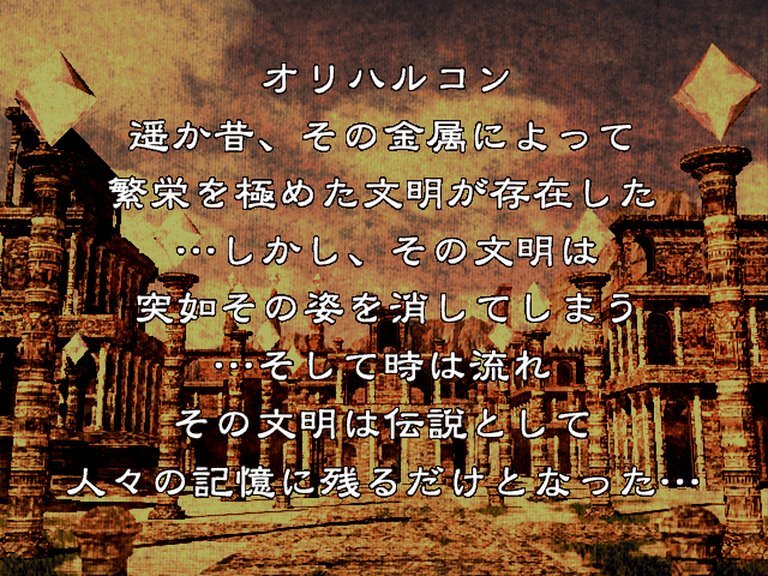
Wander Wonder is an action-RPG with puzzle-solving elements, developed by Compile and released in 2000. Players assume the role of 14-year-old Gino, who embarks on a journey to uncover the secrets of his grandfather’s memorial stone in the mysterious Atreus region. The game features a mix of exploration, combat, and intricate puzzles, drawing comparisons to The Legend of Zelda but with its own unique episodic structure and weapon durability mechanics. Gino must navigate ancient ruins, aid townsfolk, and confront powerful foes while unraveling the fate of a lost civilization and the mystery of a girl he encounters.
Wander Wonder Reviews & Reception
pcgamer.com : A triumphant return to form for the series.
Wander Wonder Cheats & Codes
Super Mario Bros Wonder (Ryujinx) v1.0
Enter codes using Cheat Engine or similar tools.
| Code | Effect |
|---|---|
| 580F0000 03628398 580F1000 00000030 580F1000 00000008 580F1000 00000030 580F1000 00000188 780F0000 00000338 610F0000 00000000 00000063 |
99 Gold Coins |
| 580F0000 03628398 580F1000 00000030 580F1000 00000008 580F1000 00000030 580F1000 00000188 780F0000 0000033C 620F0000 00000000 000003E7 |
999 Purple Coins |
| 580F0000 03628398 580F1000 00000030 580F1000 00000008 580F1000 00000030 580F1000 00000168 780F0000 00000020 610F0000 00000000 00000063 |
99 Lives |
| 580F0000 0363F608 580F1000 000001B8 580F1000 000001B4 580F1000 000000E0 780F0000 00000028 620F0000 00000000 00008CA0 |
Unlimited Wonder Mode Timer |
| 580F0000 03628398 580F1000 00000030 580F1000 00000008 580F1000 00000030 580F1000 00000158 780F0000 000002D0 640F0000 00000000 7FFFFFFF |
Race Timer Slowed |
Wander Wonder: A Forgotten Gem of the Early 2000s Action-RPG Scene
Introduction: The Overlooked Masterpiece
At first glance, Wander Wonder (2000) might seem like just another Zelda clone—a forgettable footnote in the crowded action-RPG genre of the late ’90s and early 2000s. Yet, beneath its familiar top-down perspective and sword-swinging protagonist lies a game of remarkable depth, innovation, and charm. Developed by Compile, the studio behind the Puyo Puyo series, Wander Wonder is a testament to how a game can transcend its influences to carve out its own identity. This review will explore why Wander Wonder deserves recognition as one of the most underrated action-RPGs of its era, blending puzzle-solving, exploration, and a unique episodic structure into a cohesive and engaging experience.
Development History & Context: Compile’s Bold Experiment
The Studio Behind the Game
Compile, founded in 1982, was a powerhouse of Japanese PC gaming, known for its eclectic portfolio. While the studio is best remembered for Puyo Puyo, its roots in action-RPGs and puzzle games run deep. Titles like Zanac and Devil Force showcased Compile’s ability to innovate within established genres. Wander Wonder emerged from this tradition, blending the studio’s knack for puzzle design with the action-RPG framework popularized by The Legend of Zelda and Alundra.
The DiscStation Origins
Wander Wonder began as a serialized experiment in DiscStation, Compile’s digital magazine that distributed games and demos via floppy disks and CDs. The game was released in three episodes across issues 24, 25, and 26 of the Windows version of DiscStation in 1999, before being compiled into a full retail release in October 2000. This episodic structure was revolutionary for its time, offering players a narrative-driven experience that unfolded in digestible chunks—a precursor to modern episodic gaming.
The Gaming Landscape of 2000
The late ’90s and early 2000s were a golden age for action-RPGs, with titles like Diablo II, Castlevania: Symphony of the Night, and The Legend of Zelda: Ocarina of Time dominating the scene. Wander Wonder entered this competitive space as a PC-exclusive, a rarity in a genre dominated by console titles. Its top-down perspective and puzzle-heavy design invited comparisons to Zelda, but its unique mechanics and episodic storytelling set it apart.
Narrative & Thematic Deep Dive: A Tale of Adventure and Mystery
The Plot: A Quest for the Orichalcum
Wander Wonder follows Jino (also referred to as Gino in some sources), a 14-year-old adventurer inspired by his grandfather’s tales of ancient ruins and a legendary stone called the Orichalcum. After collapsing from exhaustion outside the town of Encia, Jino is nursed back to health and embarks on a quest to uncover the stone’s secrets. Along the way, he befriends Tia, a mysterious girl with magical abilities, and crosses paths with Thales, a sorcerer with sinister intentions.
The narrative is straightforward but effective, driven by Jino’s youthful enthusiasm and the game’s episodic pacing. Each episode introduces new locations, characters, and challenges, keeping the story fresh and engaging. The game’s dialogue, while simple, adds personality to Jino, who frequently comments on his surroundings and objectives, providing subtle hints to the player.
Themes: Exploration and Discovery
At its core, Wander Wonder is a celebration of exploration. Jino’s journey is not just about finding the Orichalcum but about uncovering the mysteries of the Atreus region and the ancient civilization that once thrived there. The game’s themes of curiosity, perseverance, and the thrill of discovery resonate throughout its design, from its puzzle-heavy dungeons to its expansive overworld.
The relationship between Jino and Tia adds a layer of emotional depth, as their friendship evolves alongside their shared quest. Thales, the antagonist, serves as a foil to Jino’s idealism, embodying the dangers of unchecked ambition and the corrupting influence of power.
Gameplay Mechanics & Systems: Innovation in a Familiar Framework
Core Gameplay Loop
Wander Wonder blends action, puzzle-solving, and light RPG elements into a cohesive experience. Players control Jino in a top-down perspective, navigating dungeons, battling enemies, and solving environmental puzzles. The game’s flip-screen design, reminiscent of classic Zelda titles, ensures that each area feels distinct and carefully crafted.
Combat and Weapon Durability
Combat in Wander Wonder is simple but satisfying. Jino wields a variety of weapons, including swords, axes, and hammers, each with unique properties. Notably, the game features a weapon durability system, a mechanic that would later become a point of contention in The Legend of Zelda: Breath of the Wild. Weapons degrade with use, forcing players to manage their inventory and seek out blacksmiths for repairs. This system adds a layer of strategy to combat, as players must balance offense with resource management.
Puzzle Design: A Focus on Interaction
Where Wander Wonder truly shines is in its puzzle design. Unlike many action-RPGs that rely on key-based progression, Wander Wonder encourages players to interact with the environment in creative ways. Pots can be used as stepping stones, water jets can be frozen into platforms, and hammers can be used to manipulate objects. This hands-on approach to puzzles fosters a sense of experimentation and discovery, making each dungeon feel like a playground of possibilities.
Character Progression and UI
Jino’s progression is tied to his equipment and abilities. As players explore, they uncover new weapons, tools, and special moves that expand Jino’s capabilities. The game’s UI is minimalist but functional, with a focus on accessibility. Jino’s frequent commentary serves as an in-game hint system, guiding players without breaking immersion.
Innovations and Flaws
Wander Wonder’s greatest innovation is its episodic structure, which keeps the narrative engaging and the pacing tight. However, the game is not without its flaws. The weapon durability system, while innovative, can feel punitive at times, especially in longer dungeons. Additionally, the game’s lack of a map system can make navigation challenging, though this is mitigated by Jino’s environmental cues.
World-Building, Art & Sound: Crafting an Immersive Experience
Setting and Atmosphere
The Atreus region is a vibrant and diverse world, filled with lush forests, ancient ruins, and bustling towns. The game’s diagonal-down perspective and detailed pixel art create a sense of depth and immersion, while the flip-screen design ensures that each area feels distinct. The world is alive with secrets, from hidden treasures to optional dungeons, rewarding players for thorough exploration.
Visual Direction
Wander Wonder’s art style is a blend of classic Zelda aesthetics and Compile’s signature charm. The character designs are expressive, with Jino’s animated sprites conveying his youthful energy and enthusiasm. The game’s environments are richly detailed, with a color palette that shifts to reflect the mood of each area. From the warm hues of Encia to the eerie tones of the ancient ruins, the visuals enhance the game’s atmosphere.
Sound Design and Music
The game’s sound design is understated but effective. The soundtrack, composed by Compile’s in-house team, features a mix of upbeat adventure themes and haunting melodies that complement the game’s tone. The lack of voice acting is compensated by Jino’s frequent text-based commentary, which adds personality to the experience.
Reception & Legacy: A Cult Classic in the Making
Critical and Commercial Reception
Wander Wonder was released to little fanfare in 2000, overshadowed by larger titles in the action-RPG genre. However, it developed a cult following among fans of Compile’s work and retro gaming enthusiasts. Critics praised its innovative puzzle design, episodic structure, and charming presentation, though its weapon durability system and lack of a map were points of contention.
Evolution of Reputation
In the years since its release, Wander Wonder has gained recognition as a hidden gem of the early 2000s. Its influence can be seen in later action-RPGs that emphasize environmental interaction and episodic storytelling. The game’s weapon durability system, once a novelty, has become a staple of modern action-RPGs, albeit with mixed reception.
Influence on Subsequent Games
While Wander Wonder did not spawn a direct sequel, its legacy lives on in the broader action-RPG genre. Games like Hyper Light Drifter and Death’s Gambit share its emphasis on exploration and environmental puzzles, while its episodic structure foreshadowed modern trends in narrative design.
Conclusion: A Timeless Adventure Worth Rediscovering
Wander Wonder is more than just a Zelda clone—it is a bold, innovative, and charming action-RPG that deserves a place in gaming history. Its episodic storytelling, creative puzzle design, and emphasis on exploration set it apart from its contemporaries, while its flaws only serve to highlight its ambition. For fans of retro gaming, action-RPGs, or simply well-crafted adventures, Wander Wonder is a hidden treasure waiting to be uncovered.
Final Verdict: Wander Wonder is a masterclass in how to take familiar mechanics and forge them into something fresh and exciting. Its legacy as a cult classic is well-deserved, and its influence continues to resonate in modern gaming. If you’re looking for an action-RPG that rewards curiosity and creativity, Wander Wonder is an essential play. 9/10