
- Release Year: 2015
- Platforms: Linux, Macintosh, Windows
- Publisher: Mythwright Limited, Subterranean Games
- Developer: Subterranean Games
- Genre: Strategy, Tactics
- Perspective: 1st-person
- Game Mode: LAN, Online Co-op
- Gameplay: Business simulation, City building, construction simulation, Dungeon building, Managerial, Real-time strategy (RTS)
- Setting: Fantasy
Description
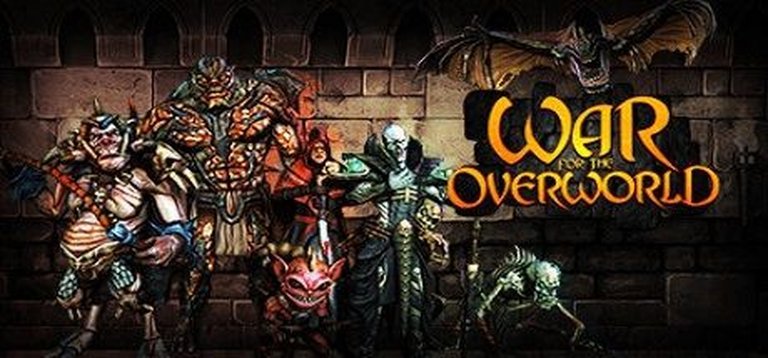
War for the Overworld is a spiritual successor to the Dungeon Keeper series, blending real-time strategy, god game mechanics, and first-person action in a dark fantasy setting. Players assume the role of an Underlord—an evil ethereal entity—awakening from exile to reclaim the Underworld while battling rival Underlords and the forces of the surface-dwelling Empire. As an incorporeal power, you command minions, build elaborate dungeons with specialized rooms, manage resources like gold and food, and deploy traps and spells to defend your domain. The game features a campaign, sandbox modes, and multiplayer skirmishes across diverse maps.
Gameplay Videos
Where to Buy War for the Overworld
PC
War for the Overworld Free Download
War for the Overworld Cracks & Fixes
War for the Overworld Mods
War for the Overworld Guides & Walkthroughs
War for the Overworld Cheats & Codes
PC
To access cheat codes you need to open the console. To open the console press the “Scroll Lock” button on your keyboard, also known as “Scr Lck”. When the window pops up everything you write will come as text in the box. Do not panic if you cannot play anymore, just simply press the same button you used to open it, “Scroll Lock”. To access the cheat codes simply type “GreatStuff” in the console.
| Code | Effect |
|---|---|
| AddGold | None |
| AddMana | None |
| AddSin | None |
| AiPlayerActivate | None |
| AiPlayerDeactivate | None |
| Alliance | None |
| BuildTrap | None |
| CampaignDowngrade | None |
| CampaignProgress | None |
| CampaignTrailerMode | None |
| ChangeTeam | None |
| CheckStayAWhileAndListen | None |
| Clear | None |
| Close | None |
| CompletePotions | None |
| CompleteRituals | None |
| Create | None |
| CreatePotion | None |
| DataImport | None |
| DeleteSave | None |
| DisplayCameraDepth | None |
| Export | None |
| ExportAllEvents | None |
| Heat | None |
| InfiniteGold | None |
| InfiniteMana | None |
| ListMaterialCacheSize | None |
| Load | None |
| MaxMana | None |
| RemoveGold | None |
| ResetCampaign | None |
| ResetSaveFiles | None |
| ResetSteam | None |
| Save | None |
| SetCameraFov | None |
| SetFov | None |
| SetPlayerMSpeed | None |
| SetPlayerRSpeed | None |
| SetrDampening | None |
| SettDampening | None |
| Settings | None |
| SpawnArtefact | None |
| SpawnFlag | None |
| SpawnRoom | None |
| SpawnTrap | None |
| SpawnUnit | None |
| Spell | None |
| SpellRoom | None |
| SpellTile | None |
| SpellTrap | None |
| ToggleDebugSelect | None |
| ToggleGo | None |
| ToggleMightyQuest | None |
| ToggleParticle | None |
| UnScaledCamera | None |
| UnlockCampiagn | None |
| Upgrade | None |
| UpgradeRoom | None |
| ZoomTo | None |
| sys | None |
War for the Overworld: Review
In the pantheon of strategy games, few titles have captured the imagination and nostalgia of players quite like War for the Overworld. Released in 2015, this spiritual successor to Bullfrog’s classic Dungeon Keeper series has left an indelible mark on the genre. War for the Overworld is not just a game; it is a testament to the enduring appeal of dark fantasy and the timeless joy of building and defending one’s own twisted realm. This review will delve into the intricacies of War for the Overworld, examining its development history, narrative depth, gameplay mechanics, world-building, and enduring legacy.
Development History & Context
The Studio and Creators’ Vision
War for the Overworld was developed by Subterranean Games, a studio founded by fans of the original Dungeon Keeper series. The creators’ vision was clear: to recapture the magic of Bullfrog’s classic while adding modern twists and improvements. The game was crowdfunded through Kickstarter, a testament to the passion and dedication of its backers and developers alike.
Technological Constraints and Gaming Landscape
The gaming landscape in 2015 was marked by a resurgence of indie developers and a renewed interest in retro-inspired titles. War for the Overworld benefited from this trend, leveraging the Unity engine to create a visually appealing and mechanically sound game. The developers faced the challenge of balancing nostalgia with innovation, ensuring that the game felt familiar yet fresh.
Narrative & Thematic Deep Dive
Plot and Characters
War for the Overworld tells the story of an Underlord, an ethereal being exiled to the void, who awakens to find the world dominated by the Empire. The Underlord must rebuild their powers and dungeons, resisting the Empire’s forces and reclaiming their rightful place. The narrative is rich with dark humor and twisted morality, reflecting the game’s themes of power, corruption, and the struggle for dominance.
The characters in War for the Overworld are diverse and memorable. From the cunning and ruthless Underlord to the various minions and creatures that inhabit the dungeons, each character brings a unique flavor to the game. The dialogue is sharp and witty, adding depth to the characters and the world they inhabit.
Themes
The game explores several themes, including the corrupting influence of power, the struggle between good and evil, and the nature of leadership. The Underlord’s journey is one of redemption and conquest, as they seek to reclaim their throne and restore their realm. The game’s themes are woven into the gameplay mechanics, creating a cohesive and immersive experience.
Gameplay Mechanics & Systems
Core Gameplay Loops
War for the Overworld combines real-time strategy, god game elements, first-person action, and role-playing in a seamless and engaging manner. Players must manage resources, build and upgrade dungeons, train and command minions, and engage in combat with enemy forces. The game’s core loop revolves around the construction and defense of the dungeon, with players constantly balancing the needs of their minions and the threats posed by the Empire.
Combat and Character Progression
Combat in War for the Overworld is fast-paced and tactical. Players can control their minions directly, issuing commands and directing their actions in real-time. The game features a variety of creatures, each with unique abilities and strengths. Character progression is handled through a research system, allowing players to unlock new rooms, spells, and upgrades for their dungeon.
User Interface
The user interface in War for the Overworld is intuitive and user-friendly. The game features a free camera, allowing players to view their dungeon from any angle. The point-and-select system makes it easy to issue commands and manage resources. The UI is clean and uncluttered, ensuring that players can focus on the gameplay without distractions.
Innovative and Flawed Systems
One of the game’s innovative features is the ethereal hand mechanic, which allows players to interact with the game world in a unique and immersive way. However, the game is not without its flaws. Some players have reported issues with the AI, particularly in terms of pathfinding and task management. Additionally, the game’s difficulty can be unbalanced, with some scenarios feeling too easy and others too challenging.
World-Building, Art & Sound
Setting and Atmosphere
War for the Overworld is set in a dark fantasy world, filled with twisted landscapes and malevolent creatures. The game’s atmosphere is one of perpetual darkness and danger, reflecting the Underlord’s struggle for survival and dominance. The setting is richly detailed, with each dungeon and environment feeling unique and alive.
Visual Direction
The game’s visual direction is a blend of retro and modern aesthetics. The art style is reminiscent of the original Dungeon Keeper series, with a focus on dark, moody colors and intricate designs. The game’s use of the Unity engine allows for smooth and detailed graphics, enhancing the overall visual experience.
Sound Design
The sound design in War for the Overworld is top-notch. The game features a haunting and atmospheric soundtrack, which complements the dark fantasy setting perfectly. The sound effects are immersive and realistic, adding depth to the gameplay and enhancing the player’s connection to the game world.
Reception & Legacy
Critical and Commercial Reception
At launch, War for the Overworld received mixed reviews from critics. While many praised the game’s faithfulness to the original Dungeon Keeper series and its engaging gameplay mechanics, others criticized its unfinished state and technical issues. The game’s average critic score was 66%, reflecting the divided opinions of reviewers.
Commercially, the game performed modestly. It was praised by fans of the original series and indie gamers, but it struggled to reach a wider audience. The game’s success on Kickstarter and its positive reception from the community ensured its continued development and support.
Evolution of Reputation
Over time, War for the Overworld‘s reputation has evolved. The game has received numerous updates and patches, addressing many of the initial criticisms and improving the overall experience. The game’s dedicated community has contributed to its longevity, creating mods, maps, and other content that keep the game fresh and engaging.
Influence on Subsequent Games and the Industry
War for the Overworld has had a significant influence on subsequent games and the industry as a whole. Its blend of real-time strategy, god game elements, and dark fantasy has inspired other developers to explore similar themes and mechanics. The game’s success as a Kickstarter project has also highlighted the potential of crowdfunding for indie developers, paving the way for other successful crowdfunded titles.
Conclusion
War for the Overworld is a game that captures the essence of the original Dungeon Keeper series while adding modern twists and improvements. Its rich narrative, engaging gameplay mechanics, and immersive world-building make it a standout title in the strategy genre. Despite its initial flaws and mixed reception, the game has evolved and grown, earning a place in the hearts of fans and the annals of video game history. War for the Overworld is more than just a game; it is a testament to the enduring appeal of dark fantasy and the timeless joy of building and defending one’s own twisted realm. It is a must-play for fans of the genre and a worthy successor to the legacy of Dungeon Keeper.