
- Release Year: 2006
- Platforms: Windows
- Publisher: Crimson Cow GmbH
- Developer: Cyanide S.A.
- Genre: Sports
- Perspective: 3rd-person (Other)
- Game Mode: Hotseat, LAN, Online PVP, Single-player
- Gameplay: Mouse and keyboard control, Power management, Reaction test, Speed management, Time manipulation
- Setting: mixed sports, Olympiad
- Average Score: 71/100
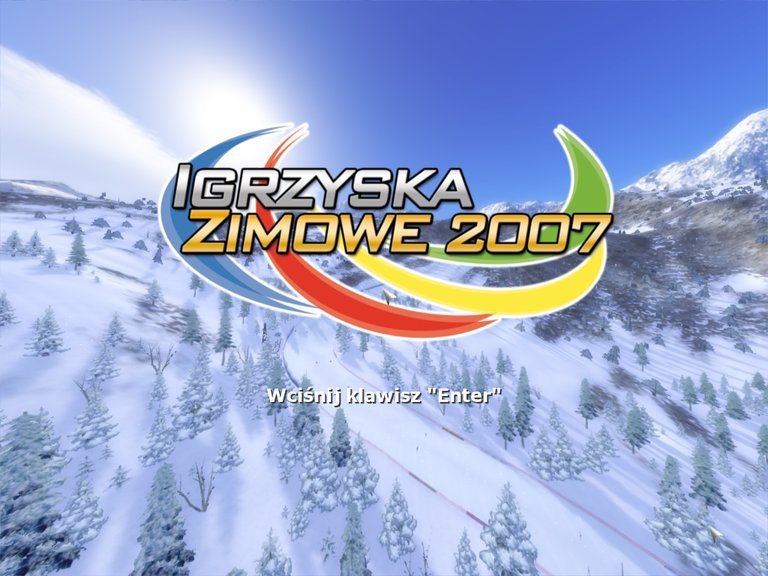
Description
Wintersport Pro 2006 is a winter sports simulation game featuring 20 championships across six disciplines: bobsled, alpine skiing, ski jumping, cross-country skiing, biathlon, and Nordic combined. Players control athletes using a mix of keyboard and mouse inputs, with mechanics tailored to each event, such as balance management in bobsledding or tactical speed adjustments in biathlon. A unique ‘turn back time’ feature allows undoing mistakes in single-player mode. The game includes single championships, a comprehensive Winter Games mode, and a career mode where players choose their discipline, nationality, and profile—each offering ability boosts—and progress from amateur competitions to unlocking new venues. With over 900 athletes from 34 nations and multiplayer options, it offers varied gameplay despite its uneven presentation.
Wintersport Pro 2006 Cracks & Fixes
Wintersport Pro 2006 Patches & Updates
Wintersport Pro 2006 Reviews & Reception
mobygames.com (59/100): A sports game offering 20 championships in six winter disciplines with a mix of reaction-based and strategic gameplay.
gamepressure.com (83/100): A comprehensive simulator for all major winter sports with over 100 authentic venues and dynamic weather effects.
retro-replay.com : Delivers a broad array of winter disciplines with tactical stamina management and a unique time-rewind mechanic.
moddb.com : Compete in major international winter sports events with solo and multiplayer modes, including rare disciplines like biathlon and Nordic combined.
Wintersport Pro 2006: A Frostbitten Competitor in the Shadows of Giants
Introduction
In the crowded arena of mid-2000s winter sports simulations, Wintersport Pro 2006 emerged as an ambitious underdog. Developed by Cyanide S.A. and published by Crimson Cow GmbH, the game sought to carve its niche among contemporaries like Torino 2006, offering 20 championships across six disciplines. Yet, despite its mechanical depth and inventive time-rewinding gimmick, it stumbled under the weight of technical limitations and uneven execution. This review dissects its legacy as a cult curiosity—a game that dared to blend tactical resource management with arcade-style thrills but failed to medal in the eyes of critics and players alike.
Development History & Context
Studio Vision and Challenges
Cyanide S.A., known for gritty sports sims like Pro Cycling Manager and later Blood Bowl, approached Wintersport Pro 2006 with a focus on systemic diversity. The goal was clear: create a comprehensive winter sports package without the luxury of official licenses. In an era when PC hardware limitations dictated scope, the team prioritized modular controls and RPG-style progression over visual fidelity.
The 2006 Landscape
The game launched in February 2006, coinciding with the Turin Winter Olympics and competing directly with Torino 2006—a flashier, officially licensed title. While Cyanide’s offering lacked the polish of its rival, it compensated with deeper mechanics, including stamina management and career-mode customization. However, the studio’s budget constraints and reliance on keyboard/mouse inputs (a stark contrast to console-centric contemporaries) alienated players seeking intuitive, controller-driven gameplay.
Narrative & Thematic Deep Dive
The Absent Plot and emergent Storytelling
As a sports sim, Wintersport Pro 2006 forgoes traditional narrative in favor of player-driven arcs. The career mode becomes its de facto storyline: a rags-to-riches journey where you mold an amateur athlete into a champion. By selecting a nationality (e.g., German biathletes gain shooting bonuses) and profile (e.g., “managerial” types receive stamina boosts), the game weaves a subtle thread of national pride and tactical specialization.
Themes of Endurance and Redemption
The game’s “Back in Time” mechanic—a limited rewind function—embodies its thematic focus on second chances. This feature reframes failure not as a dead end but as a learning opportunity, echoing the resilience required in real-world athletics. However, the absence of voiced rivals or scripted drama leaves the emotional weight reliant entirely on the player’s investment in their stat-driven ascent.
Gameplay Mechanics & Systems
Discipline Diversity and Control Schematics
The six disciplines—bobsled, alpine skiing, ski jumping, cross-country skiing, biathlon, and Nordic combined—share a unified control framework:
– Reaction-Based Starts: Tap the spacebar at the optimal moment for a speed boost.
– Mouse-Driven Precision: Balance bobsleds with cursor adjustments or steer skiers through slalom gates.
– Stamina Management: In cross-country and biathlon, overexertion leads to catastrophic slowdowns.
Innovations and Flaws
The “Back in Time” mechanic stands out, allowing one do-over per event—a precursor to Forza Motorsport’s rewind feature. Yet, critics lambasted the clunky UI and inconsistent difficulty, particularly in slalom events where even the lowest settings felt punishing. The career mode’s progression system, while rich in theory, suffered from grindy ability unlocks and repetitive event structures.
Multiplayer Misfires
Though supporting hot-seat, LAN, and online play for up to eight players, the multiplayer lacked the polish needed to sustain a community. Network instability and minimal leaderboard integration relegated it to a footnote.
World-Building, Art & Sound
Visuals: A Mixed Bag of Frost and Frustration
The game’s environments oscillate between charming and dated. Snow-packed alpine slopes and boreal forests boast decent texture work for 2006, but draw distances suffer from aggressive pop-in. Athlete models are stiffly animated, with facial expressions akin to mannequins—a stark contrast to Torino 2006’s more fluid animations.
Atmosphere and Audio
Dynamic camera angles during replays inject cinematic flair, while the muted soundscape relies on generic crowd cheers and crunching snow. Vincent Percevault’s sound direction excels in subtle details, like the creak of a bobsled navigating icy turns, but fails to deliver a memorable score.
Reception & Legacy
Launch Reception
Critics praised its ambition but criticized its execution. German outlet GameStar noted, “The rewind system is clever, but [the game] can’t escape the shadow of Torino 2006” (60/100). Complaints centered on “hollow” visuals, unbalanced difficulty, and a labyrinthine menu system. The MobyScore settled at a middling 6.3, reflecting its divisive appeal.
Long-Term Influence
While Wintersport Pro 2006 never achieved cult status, its rewind mechanic and stamina systems quietly influenced later sports sims. Titles like Steep (2016) and Olympic Games Tokyo 2020 echoed its focus on multi-discipline variety, though with far greater polish. Today, it remains a footnote—a curiosity for retro enthusiasts rather than a genre pillar.
Conclusion
Wintersport Pro 2006 is a game of contrasts: innovative yet clunky, deep yet disjointed. Its career mode and tactical systems hint at unrealized potential, marred by technical limitations and half-baked presentation. While overshadowed in its time, it deserves recognition for daring to blend simulation grit with arcade accessibility—a flawed but fascinating artifact of mid-200s sports gaming. For historians, it’s a case study in ambition versus execution; for players, a relic best appreciated through the lens of nostalgia. Final Verdict: 6.5/10—a bronze medal effort in a gold medal era.