
- Release Year: 2010
- Platforms: Macintosh, Windows
- Publisher: Reflexive Entertainment Inc.
- Developer: Two Tonic Game Studios, LLC.
- Genre: Adventure
- Perspective: Third-person (Other)
- Game Mode: Single-player
- Gameplay: Hidden object, Puzzle elements
- Setting: Fantasy
- Average Score: 60/100
Description
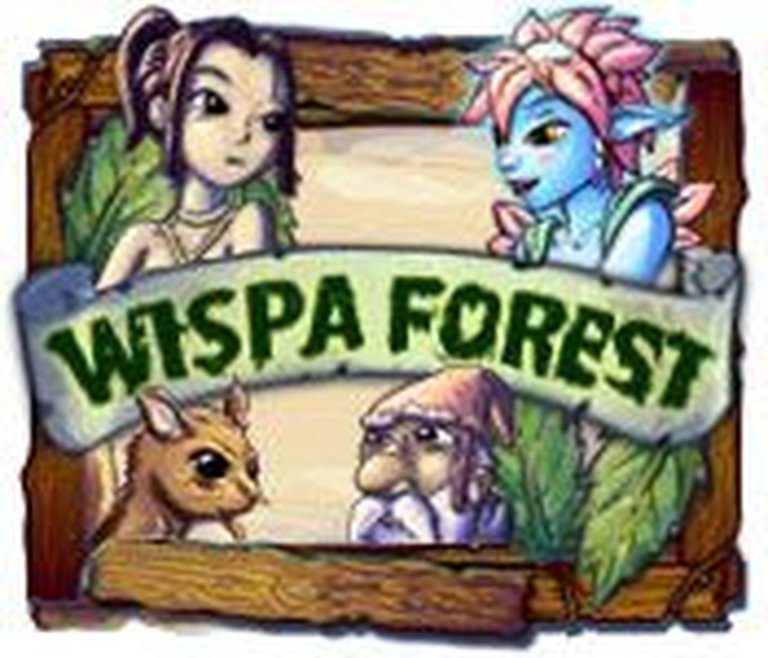
Wispa Forest is a hidden object adventure game set in a fantasy forest where the peaceful Wispas, good spirits of nature, face a mysterious threat polluting their home. Players take on the role of Lyia, a brave young Wispa, who embarks on a quest to clean the forest and uncover the source of the disturbance. The game features a watercolor art style, hidden object puzzles, and tile-matching battles, all set against a backdrop of vibrant, cluttered locations.
Wispa Forest Reviews & Reception
gamezebo.com (60/100): In spite of its charms, Wispa Forest doesn’t quite have all of its ducks in a row.
jayisgames.com : This game will win a lot of fans simply because it’s gorgeous to look at.
mobygames.com (60/100): Wispa Forest is a hidden object game with an art style emulating watercolor paintings, and occasional tile‑matching puzzles.
Wispa Forest: A Timely Oasis of Color in a Sea of Shadows
Introduction
In an era dominated by gritty hidden object games set in haunted mansions and asylums, Wispa Forest (2010) emerged as a breath of fresh, fairy-tale air. Developed by Two Tonic Game Studios and published by Reflexive Entertainment, this whimsical adventure dared to ask: What if a hidden object game prioritized beauty over brooding? While its gameplay followed genre conventions, Wispa Forest carved a niche with its watercolor vistas and ecological allegory, offering a tranquil alternative for casual players and families. This review argues that the game’s artistic ambition elevated it beyond its mechanical simplicity, securing its place as a cult favorite in the hidden object genre’s history.
Development History & Context
The Studio & Vision
Two Tonic Game Studios, a small team led by creative director David Loomis and technical director Coby Utter, sought to subvert the hidden object genre’s then-prevalent gloom. Partnering with Reflexive Entertainment—a publisher known for casual hits like Big Kahuna Reef—the team prioritized accessibility and visual experimentation. Loomis cited Studio Ghibli’s environmental themes and classical fairy tales as inspirations, aiming to create a “playable storybook” for all ages.
Technological Constraints & Market Landscape
Released in 2010, Wispa Forest arrived during the hidden object genre’s peak saturation. Competing titles like Mystery Case Files leaned into photorealism and macabre mysteries, leveraging advancing GPU capabilities. Two Tonic, however, embraced a stylized approach, using hand-painted watercolor backdrops that minimized reliance on high-end hardware. This allowed the game to run smoothly on modest Windows XP and Mac OS X systems, targeting casual audiences on platforms like WildTangent and Big Fish Games.
Narrative & Thematic Deep Dive
Plot & Characters
The story follows Lyia, a “Seed Wispa” spirit tasked with cleansing her forest home of pollution inflicted by an unnamed human force. Accompanied by Hank, a sardonic squirrel, and Ara, a curious human girl, Lyia unravels a conspiracy involving the Fairy Queen’s corruption. While the narrative is linear and dialogue-light, its environmental message resonates: the Wispas’ struggle mirrors real-world ecological crises, framing litter as a symptom of humanity’s disconnect from nature.
Themes & Subtlety
Beneath its saccharine surface, Wispa Forest critiques consumerism. The “foreign objects” Lyia collects—golf clubs, mailboxes, spoons—symbolize invasive human industrialization. The Fairy Queen’s curse, which twists natural landscapes into cluttered junkyards, evokes humanity’s exploitation of wild spaces. Notably, the game avoids dystopian despair; its resolution (cleansing the forest through communal effort) offers a hopeful counterpoint to contemporary eco-anxiety.
Gameplay Mechanics & Systems
Core Loop & Innovations
The gameplay adheres to hidden object standards: players scour intricately detailed scenes for listed items, earning mana points for combos (sequential finds). Mana fuels three hint spells:
– Intuition (3 mana): Highlights an item’s general area.
– Instinct (5 mana): Pinpoints an item’s exact location.
– Double Vision (8 mana): Reveals two items simultaneously.
This system rewards efficiency but suffers from hint opacity; critics noted that intuition circles often obscured more than they clarified (GameZebo).
Puzzle Battles & Flaws
Interwoven with exploration are Mana Match puzzles—a tile-matching hybrid where players clear “corrupted” grid spaces to defeat foes. While serviceable, these segments lack depth compared to Puzzle Quest’s RPG-infused battles. The two spells (Tile Destroyer and Board Shuffler) feel underutilized, and AI opponents pose little challenge.
World-Building, Art & Sound
Visual Design
Wispa Forest’s defining triumph is its watercolor aesthetic. Scenes like the Cave of Cascades and Gnomic Graveyard burst with ethereal blues and mossy greens, blending realism with fantasy. Artist Josh Leap and Juan Gaucin employed layered brushstrokes to create depth, though this sometimes backfired: objects blurred into backgrounds, artificially inflating difficulty.
Sound Design & Limitations
Composer Nathan Lee (dual-credited as sound engineer) crafted a tranquil ambient soundtrack dominated by harp and flute motifs. While fitting, repetitive sound effects—like Lyia’s ding on item collection—grated over time. The lack of voice acting further muted emotional engagement.
Reception & Legacy
Critical & Commercial Performance
Wispa Forest earned mixed reviews, averaging 60% from critics. Praise centered on its visuals; GameZebo called it “worth downloading for the art alone,” while JayIsGames applauded its “gorgeous watercolor scenery.” However, reviewers lamented its predictable gameplay and repetitive audio. Commercially, it found modest success, buoyed by family-friendly marketing and a shareware model offering free demos.
Lasting Influence
Though not a blockbuster, Wispa Forest inspired later titles like Hidden Folks (2017) to prioritize artistry over realism. Its eco-fable narrative also presaged indie darlings like Spiritfarer (2020), proving that “casual” games could tackle serious themes.
Conclusion
Wispa Forest is a paradox: a technically unremarkable hidden object game elevated by sheer artistic audacity. While its gameplay loop and sound design show their age, its watercolor world remains a timeless refuge—one that redefined what “casual” could aspire to be. For historians, it exemplifies how niche studios can challenge genre norms through aesthetic rebellion. For players, it endures as a gentle, tactile escape, a reminder that even in gaming’s darkest forests, beauty can bloom.
Final Verdict: A flawed but foundational title—essential for genre historians, delightful for casual adventurers.