
- Release Year: 2002
- Platforms: DOS, Windows
- Publisher: Empire Interactive Europe Ltd.
- Genre: Compilation
- Game Mode: LAN, Single-player
- Average Score: 80/100
Description
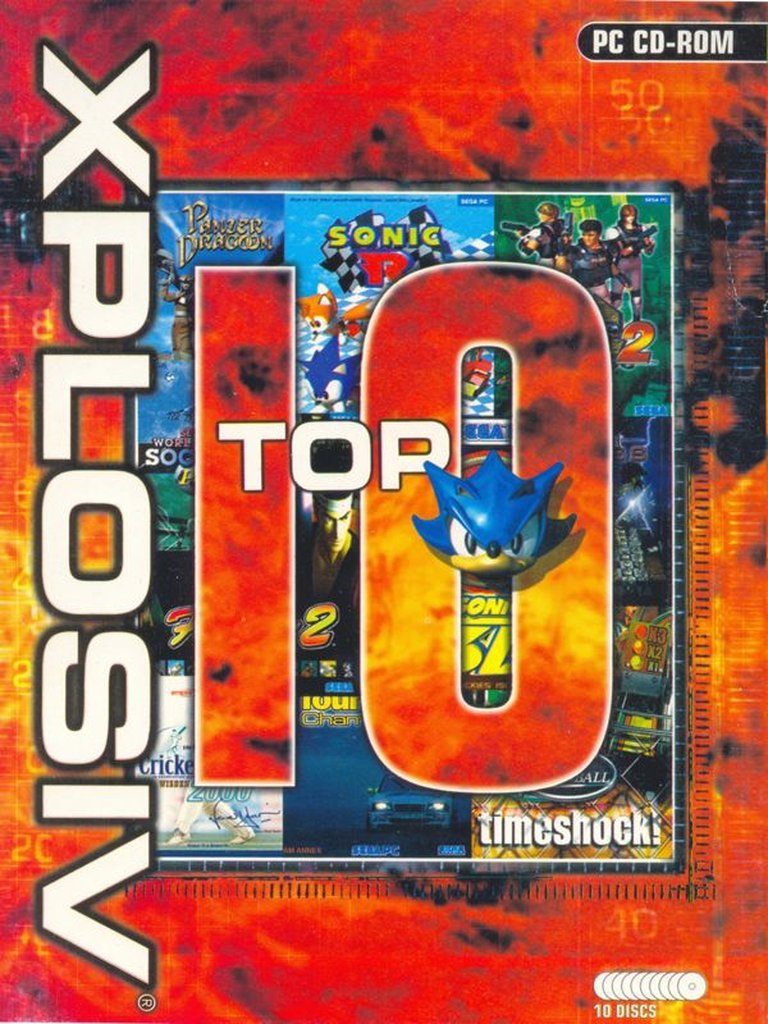
Xplosiv Top 10 is a 2002 budget compilation released for Windows and DOS by Empire Interactive, bundling ten diverse classic games previously issued on the Xplosiv label, such as Combat Chess, Sonic 3D Blast, Sonic R, Virtua Fighter 2, Virtua Cop 2, Pro Pinball: The Web, Panzer Dragoon, SEGA Touring Car Championship, SEGA Worldwide Soccer ’97, and International Cricket Captain 2000. Most titles include patches and digital manuals, offering a mix of arcade, sports, racing, fighting, and shooting experiences in a single CD-ROM package rated 11+ by ELSPA.
Xplosiv Top 10: Review
Introduction
In the shadow of 2002’s titans like Grand Theft Auto: Vice City and the dawn of Xbox Live, a humble CD-ROM slipped into budget bins across Europe: Xplosiv Top 10. This unassuming compilation from Empire Interactive’s Xplosiv label wasn’t chasing headlines or revolutionizing genres—it was a pragmatic love letter to the mid-90s arcade and console heyday, repackaging ten diverse titles for the cash-strapped PC gamer. Featuring ports of Sega classics like Virtua Fighter 2 and Sonic R, alongside oddballs like animated Combat Chess, it promised variety on a dime. Its legacy endures not as a blockbuster, but as a snapshot of the budget market’s role in democratizing gaming history, preserving ports of aging gems amid the PS2/Xbox wars. Thesis: Xplosiv Top 10 excels as a value-driven time capsule, its eclectic mix of patched, manual-equipped classics offering unmatched replayability for nostalgia hunters, though its lack of cohesion and dated tech reveal the compromises of budget repackaging.
Development History & Context
Empire Interactive Europe Ltd., a UK-based publisher known for sports sims and licensed tie-ins, launched the Xplosiv imprint in the late 90s as a budget label targeting the post-crash PC market. Xplosiv Top 10, released in 2002 for Windows (and curiously DOS), curated ten previously sold separately under Xplosiv—mostly Sega Saturn/Dreamcast PC ports from 1994-2000. The creators’ vision was straightforward: aggregate high-quality re-releases with practical bonuses like patches for stability on Windows XP-era rigs and digital PDF manuals, addressing common pain points like crashes on newer DirectX versions or lost documentation.
Technological constraints defined the era. PCs in 2002 grappled with transitioning from 16-bit DOS to 32/64-bit Windows, where older Sega ports (e.g., Virtua Fighter 2‘s 1994 arcade roots) demanded tweaks for Pentium III/IV CPUs and Voodoo/GeForce cards. Patches mitigated issues like sound glitches in Sonic R or input lag in Virtua Cop 2, but no unified launcher meant manual folder navigation— a relic of CD-ROM budgeting over modern installers.
The gaming landscape was explosive: 2002 saw U.S. sales boom with Madden NFL 2003 and Medal of Honor: Frontline dominating charts, Xbox Live pioneering online play, and consoles like PS2 outselling PC titles. Budget compilations like Xplosiv thrived in Europe (ELSPA 11+ rating signaling family-friendly accessibility), countering premium pricing amid economic slowdowns post-dotcom bust. Xplosiv positioned itself against rivals like Electronic Arts Top Ten, emphasizing Sega’s arcade flair for impulse buys at £10-20, paving the way for sequels like Xplosiv Top Ten: Second Edition (2003).
Narrative & Thematic Deep Dive
As a compilation, Xplosiv Top 10 eschews a unified plot, instead threading ten disparate tales through arcade brevity and sim depth. Themes coalesce around escapism via competition—from visceral combat to strategic mastery—mirroring 90s gaming’s shift from narrative-heavy adventures to pick-up-and-play highs.
-
Sonic 3D Blast (1996) and Sonic R (1997): Sega’s blue blur stars in lightweight adventures. Sonic 3D pits Sonic against Dr. Robotnik’s bird-collecting scheme on Flicky Island, blending isometric platforming with collectathon puzzles; themes of speed and rescue evoke youthful rebellion. Sonic R ups the ante with racing against Robotnik’s minions, its upbeat narrative of rivalry underscoring freedom through velocity, laced with quirky dialogue like Tails’ cheers.
-
Panzer Dragoon (1995): A rail-shooter epic where lone rider Kei bonds with a mystical dragon to avenge his village against the Imperium’s bio-monstrosities. Sparse cutscenes and environmental storytelling build themes of symbiosis and ecological hubris, the dragon’s evolving powers symbolizing harmony amid desolation.
-
Virtua Cop 2 (1995) and Virtua Fighter 2 (1994): Pure arcade grit. Virtua Cop 2 follows officers pursuing the murderous “E.V.I.L.” syndicate through bullet-time shootouts, emphasizing justice via trigger finger. Virtua Fighter 2 offers fighter bios (e.g., Akira’s quest for honor), but dialogue is minimal—raw physicality trumps exposition, themes of discipline and rivalry shining in versus matches.
-
Pro Pinball: The Web (1995) (not Timeshock, per trivia): No narrative; physics-driven tables themed around underwater arachnid lairs. Thematic whimsy emerges via bumpers and multiballs, evoking chaotic undersea peril.
-
Combat Chess (1997): Reimagines chess with brutal animations—pawns behead kings in gory glory. No plot, but themes of strategic violence satirize war games, dialogue nil beyond piece grunts.
-
Sports Titles—SEGA Touring Car Championship (1996, as Touring Cars), SEGA Worldwide Soccer ’97 (1996), International Cricket Captain 2000 (2000): Management sims dominate. Cricket Captain’s career mode chronicles a skipper’s rise through leagues, grappling with team dynamics and pressure via stats-heavy decisions. Soccer offers global tournaments, Touring Cars pure adrenaline laps. Narratives are procedural: triumph or relegation forged in data.
Collectively, themes prioritize instant gratification over epic sagas, a budget-era hallmark reflecting arcade roots. Dialogue is sparse (Sega ports retain Japanese-dubbed quips), but digital manuals enrich lore, turning fragmented stories into a mosaic of 90s excess.
Gameplay Mechanics & Systems
Xplosiv Top 10‘s core loop is genre-hopping discovery, with each title’s mechanics preserved authentically, patches smoothing edges. No progression ties them, but variety fosters marathon sessions. UI is era-typical: functional menus, no polish.
Core Loops & Combat
Arcade fighters/shooters shine: Virtua Fighter 2‘s 3D brawling demands ring-outs via combos (e.g., Jacky Bryan’s knee launches), with AI scaling difficulty. Virtua Cop 2 refines light-gun aiming (mouse/keyboard viable), auto-reload and score multipliers rewarding precision. Panzer Dragoon‘s lock-on shooting evolves via dragon upgrades, free-aim adding depth.
Racing & Platforming
SEGA Touring Car Championship nails arcade drifting on 10 tracks, wheel support enhancing grip physics. Sonic R‘s 5-car races blend boost management with track shortcuts. Sonic 3D Blast innovates isometric jumps, ring collection fueling bird rescues—flawed by finicky cameras.
Simulation & Novelty
Pro Pinball: The Web boasts 90s physics: multiball frenzy, dynamic ramps. Combat Chess twists turns into spectacles, hotseat multiplayer amplifying tension. International Cricket Captain 2000 offers deep management (transfers, tactics), SEGA Worldwide Soccer ’97 instant matches with AI flair.
Progression varies: skill unlocks in fighters, career arcs in sports. Multiplayer (LAN/Internet/Modem) shines in Versus modes, though 2020s servers are ghosts. Flaws: Inconsistent controls (e.g., Sonic R‘s twitchy handling), no autosave. Innovative: Patches enable XP compatibility, digital manuals as in-game tutors. Overall, loops reward mastery, UI clunky but nostalgic.
World-Building, Art & Sound
Settings span vibrant arcades to sim pitches, forging a patchwork nostalgia. Visuals scream mid-90s: low-poly Sega models (Virtua Fighter‘s arenas), pre-rendered FMVs (Panzer Dragoon‘s deserts). Sonic R‘s Radiant Emerald Zone pops with cel-shaded loops, Pro Pinball‘s gothic web glows via particle effects. Budget ports retain Sega Saturn charm—jaggy edges, but patches hint at resolutions tweaks.
Atmosphere thrives on contrast: Panzer Dragoon‘s epic ruins evoke isolation, Virtua Cop 2‘s neon malls pulse urgency. Sports worlds ground fantasy—cricket stadia feel lived-in via crowdsprites.
Sound design amplifies: MIDI chiptunes in Sonic titles buzz energy, Panzer‘s orchestral swells (Yuzo Koshiro influences) stir awe. Pinball clangs, chess gore SFX, racing roars—all era-authentic, lacking voice acting save quips. Contributions: Immerses in 90s tactility, sound bridging graphical limits for cohesive “budget blast” vibe.
Reception & Legacy
Launch reception was muted—no MobyGames critic reviews, player ratings averaging 4.0/5 (3 votes), praising value sans text feedback. Commercially, it fit budget niches, spawning Second Edition (2003, 3.5/5 avg.) with Crazy Taxi. Cover trivia (Timeshock lie) sparked minor buzz.
Reputation evolved positively among retroists: MobyGames collectors (3 owners) hail preservation. Influence: Bolstered Xplosiv’s ecosystem (Triple Pack, Racing/Simulation Volumes), echoing EA Top Ten in sustaining old games pre-Steam. Industry-wide, it prefigured digital bundles (Humble Bundle era), proving compilations extend shelf-lives. In 2002’s blockbuster shadow, its legacy is quiet heroism—affordable access to Sega’s golden age amid online shifts.
Conclusion
Xplosiv Top 10 distills 90s diversity into a patched, manual-laden CD, its fighter-rails-pinball-sports cocktail delivering endless value despite fragmented UI and dated tech. Amid 2002’s revolutions, it reminds us gaming’s heart beats in accessible archives. Verdict: An essential historical artifact—8.5/10 for budget immortality, cementing Xplosiv’s niche in video game preservation. Retro PC warriors, dust off that CD drive.