
- Release Year: 2014
- Platforms: PlayStation 3, Windows, Xbox 360
- Publisher: Koei Tecmo Games Co., Ltd.
- Developer: Spark Unlimited
- Genre: Action
- Perspective: 3rd-person
- Game Mode: Single-player
- Gameplay: Acrobatics, Combos, Environmental puzzles, Finishing moves, Hack and Slash, Melee Combat
- Setting: Martial arts, Ninjas, Zombies
- Average Score: 42/100
Description
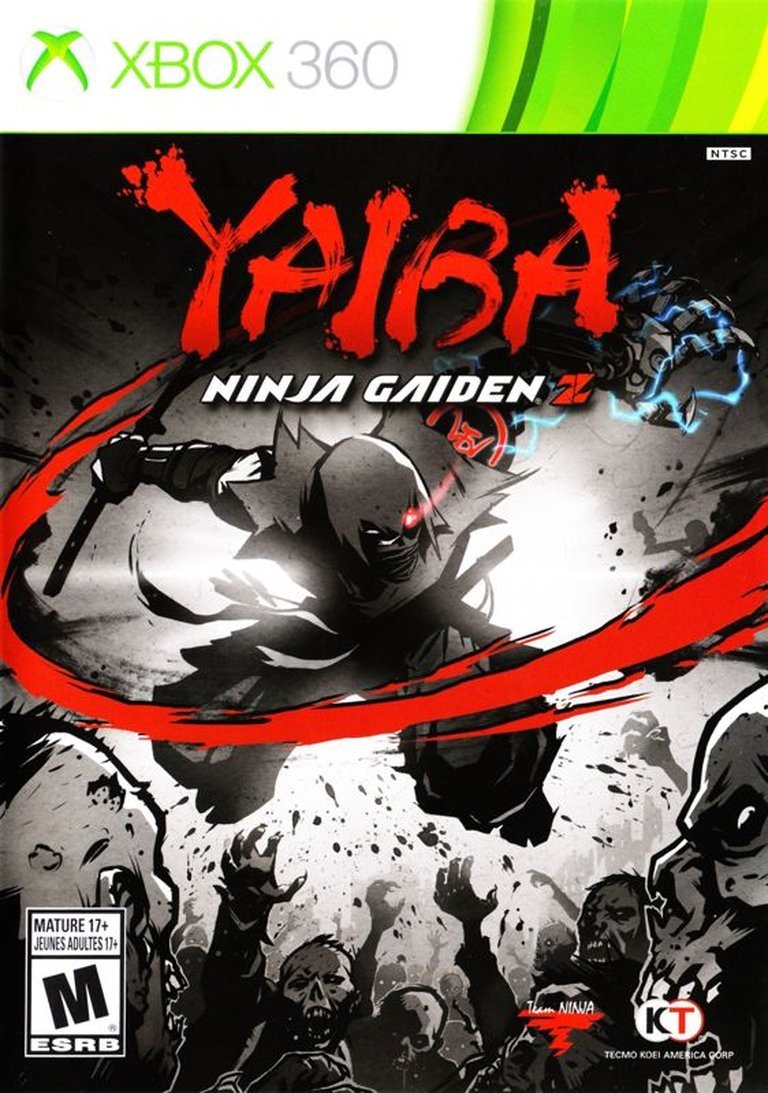
Yaiba: Ninja Gaiden Z is a spin-off from the Ninja Gaiden series where players control the ninja Yaiba, resurrected by a corporation after being slain by series protagonist Ryu Hayabusa, to investigate a zombie epidemic linked to him while pursuing personal revenge. Set in a zombie-infested world, the game features hack-and-slash combat with high difficulty, combo-building for finishing moves, elemental enemy exploits, environmental puzzles, and acrobatic sequences, all delivered with absurd humor and less serious tone than prior entries.
Gameplay Videos
Where to Buy Yaiba: Ninja Gaiden Z
PC
Yaiba: Ninja Gaiden Z Free Download
Yaiba: Ninja Gaiden Z Cracks & Fixes
Yaiba: Ninja Gaiden Z Mods
Yaiba: Ninja Gaiden Z Guides & Walkthroughs
Yaiba: Ninja Gaiden Z Reviews & Reception
metacritic.com (43/100): Yaiba: Ninja Gaiden Z resides in the shadow of many other better third-person action games
opencritic.com (42/100): everything in Yaiba: Ninja Gaiden Z shoves the player away
gamesradar.com : filled with bland combat, uninspired level design, and boring enemy encounters that put the Ninja Gaiden name to shame
gamingshogun.com : every second of it is gorgeous to look at and seems to step right out of a comic book
Yaiba: Ninja Gaiden Z: Review
Introduction
In the pantheon of ninja action games, few franchises have defined relentless, precision-based combat like Ninja Gaiden, with its stoic protagonist Ryu Hayabusa slicing through demonic hordes in balletic displays of fury. Enter Yaiba: Ninja Gaiden Z (2014), a brash spin-off that flips the script: you play as Yaiba Kamikaze, the foul-mouthed, cybernetically enhanced anti-hero Ryu previously bisected in a duel. Released amid a zombie-saturated gaming landscape, this title promised a “less serious” hack-and-slash diversion—zombies meets ninjas with crass humor and cel-shaded flair. Yet, as a game historian, I see Yaiba not as triumphant rebellion, but a cautionary tale of tonal whiplash and mechanical misfires. My thesis: While its comic-book aesthetic and villainous protagonist boldly subvert Ninja Gaiden‘s solemnity, Yaiba crumbles under repetitive combat, unfair difficulty, and juvenile writing, cementing it as a forgettable footnote in the series’ storied legacy.
Development History & Context
Yaiba: Ninja Gaiden Z emerged from an unusual collaboration, unveiled at Tokyo Game Show 2012 as a surprise spin-off. Primary developer Spark Unlimited—a Texas-based studio known for licensed titles like Lost Planet 3 and earlier work on Call of Duty ports—handled core production, with oversight from Team Ninja (creators of the modern Ninja Gaiden trilogy) and Comcept, Keiji Inafune’s post-Capcom venture. Inafune, famed for Mega Man and Dead Rising, conceptualized Yaiba as a “rebel ninja” foil to Ryu, infusing Western zombie tropes into Japanese ninja lore. Directors Toby Gard (Tomb Raider‘s creator) and Masahiro Yasuma aimed for “hyperviolence” and absurdity, blending Spark’s brawny action expertise with Team Ninja’s finesse.
Built on Unreal Engine 3—a workhorse of the seventh console generation (Gears of War, Batman: Arkham series)—the game targeted PS3, Xbox 360, and PC (a Ninja Gaiden first via Steam). Technological constraints were evident: 30 FPS lock, occasional frame drops in boss fights, and porting issues on PC (e.g., controller-focused prompts). Released March 18, 2014 (NA), amid a crowded hack-and-slash market (DmC: Devil May Cry, Metal Gear Rising), Yaiba positioned itself as a “gaiden” (side story) diversion. Tie-ins like a Dark Horse webcomic by James Stokoe and Tim Seeley, plus DLC with Mighty No. 9‘s Beck, underscored its multimedia push. Yet, Spark Unlimited shuttered post-launch, signaling internal struggles. In 2014’s landscape—dominated by polished spectacles like Dark Souls II—Yaiba‘s budget constraints and collaborative friction yielded a game feeling like a mismatched experiment.
Narrative & Thematic Deep Dive
Yaiba‘s plot revels in absurdity, set in “Earth-14” during a zombie apocalypse traced to Forge Industries. Yaiba, once his clan’s deadliest enforcer, slaughters his “spineless” kin in a berserker rage before challenging Ryu Hayabusa. Ryu vivisects him—claiming eye, arm, and life—but Forge revives Yaiba as a cyborg, guided by sassy scientist Miss Monday and CEO Alarico del Gonzo. Yaiba’s quest: carve through zombie hordes (fire, electric, bile-spewing variants) in zombie-infested Ukraine to revenge-kill Ryu, who hunts the outbreak’s source.
Characters: Yaiba is a gleeful psychopath—crude (“What a load of shit”), sexist (ogling Monday’s assets), and vengeful, contrasting Ryu’s honor-bound silence. Monday evolves from flirtatious handler to defector, revealing Forge’s immortality scheme via alien parasites. Del Gonzo, a hologram-veiled Godhood Seeker, morphs into an Aztec underworld deity for the finale. Ryu appears as a heroic antagonist, his moveset nodding to Ninja Gaiden classics. Momiji cameos as bait for Yaiba’s cruelty.
Dialogue & Themes: Humor is “holzhammer” (sledgehammer)—crass one-liners, zombie sight gags (e.g., vomiting bridezillas), and fourth-wall jabs. Themes probe honor vs. rage: Yaiba mocks ninja piety, embodying berserker excess, while Forge’s manipulation critiques corporate hubris. The Gainax ending—Yaiba and Monday peddling the zombie cure as interdimensional hustlers, Ryu watching—undercuts revenge, implying Yaiba’s growth (or apathy). Yet, execution falters: jokes land as juvenile (e.g., “blood-boner”), plot excuses zombie-slaying, and betrayals feel rote. As subversion, it humanizes Ryu’s mythos but alienates fans craving depth over shock.
Gameplay Mechanics & Systems
At core, Yaiba is a third-person hack-and-slash loop: combo-build to execute finishers, loot health/weapons, progress arenas. Yaiba wields a broken katana (reverse grip), cyber-arm (chain-grapple, rocket punches), and Bloodlust super-mode (replacing Ultimate Technique for AOE frenzy). Combat emphasizes multipliers: chain hits for finishers dropping pickups; exploit elemental foes (electro vs. fire = plasma storm). Progression unlocks combos/passives via XP trees, with boss limbs as temporary weapons (e.g., nun-chucks from arms). Puzzles are zombie-tossing (chuck undead into gears); traversal mixes quick-time wall-runs/swings.
Flaws dominate: Repetition reigns—same zombies (clowns, bridezillas) swarm endlessly, Degraded Bosses recycle fights. Difficulty spikes unfairly: Normal demands luck over skill, with rigid camera obscuring chaos, hitbox glitches, and no checkpoints between waves. UI shines cel-shaded but PC ports fumble keyboard hints. Arcade Mode (unlockable 2.5D retro romp with broken-English cutscenes) adds replayability, parodying NES Ninja Gaiden. Innovative? Elemental interplay and limb-ripping shine briefly, but shallow depth (button-mashy, no dodge/parry nuance) betrays Ninja Gaiden‘s legacy. Short (4-6 hours) yet padded by frustration.
World-Building, Art & Sound
Settings blend urban decay (zombie Ukraine) with Forge labs and Aztec hellscapes—linear arenas evoking comic panels. Atmosphere thrives on gore-humor: blood-splatter flares, absurd undead (sailor-suited giant babies). Visuals excel in cel-shading—vibrant, comic-book pops (James Stokoe influences), dynamic panels in cutscenes. Yet, overcrowding (particle overload) and stiff animations undermine it.
Sound Design: Grant Kirkhope’s score mixes industrial thumps with jaunty riffs (Banjo-Kazooie whimsy meets zombie grind). Yaiba’s snarls and Monday’s quips grate via crass overload; zombie moans/gurgles amuse initially. Effects pop—sword clashes, arm-whirs—but muddies in hordes. Overall, sensory overload amplifies chaos, fitting the “hyperviolence” vision but fatiguing.
Reception & Legacy
Launch reception was dismal: Metacritic 43/100 (PS3), 49/100 (PC), 50/100 (Xbox 360); MobyScore 5.3/10. Critics lambasted “repetitive button-mashing” (IGN 5.6/10), “unfair difficulty” (Eurogamer 2/10), “tedious slogs” (Polygon 3/10), and “unfunny humor” (Metro 1/10). Positives: art style (Digitally Downloaded 80/100), “schlocky fun” on Easy (Game Informer 6.5/10). Famitsu bucked trends (36/40 Japan). Commercially, it flopped—low sales, delisted physically; PC version buggy.
Reputation evolved to infamy: GamesRadar+’s “50 Worst Games” (#46, 2017); “worst of the generation” barbs persist. No influence—post-Rising, hack-and-slashes pivoted to soulslikes (Nioh). Spark’s closure buried it; Ninja Gaiden refocused on Ryu (Master Collection). Cult appeal lingers for cel-shading fans, but as historian, it’s a “what-if” relic: Inafune’s zombie pivot amid his Kickstarter era (Mighty No. 9).
Conclusion
Yaiba: Ninja Gaiden Z ambitiously weaponizes Ninja Gaiden‘s DNA—subverting heroism with a cyborg villain, zombies, and comics—yet self-sabotages via repetition, punitive design, and tone-deaf laughs. Strengths (visuals, elemental gimmicks) can’t salvage flaws echoing rushed ports and mismatched visions. In video game history, it resides as a gaiden curio: a bold, failed experiment reminding us why Ninja Gaiden‘s rigor endures. Verdict: 4.5/10—Skip unless bargain-bin zombie-ninja novelty calls; Ryu’s path remains untainted.