
- Release Year: 2013
- Platforms: Linux, Macintosh, Windows
- Publisher: Entheogen Studios LLC
- Developer: Entheogen Studios LLC
- Genre: Action RPG, Role-playing (RPG), Shooter
- Perspective: Behind view
- Game Mode: Single-player
- Gameplay: Action RPG, Loot, Space flight
- Setting: Futuristic, Sci-fi
- Average Score: 75/100
Description
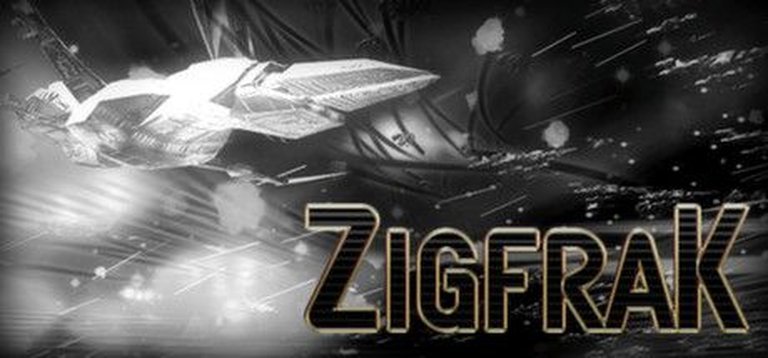
Zigfrak is a space-based action RPG set in the distant future where humanity faces a brutal civil war against the oppressive Enforcers and an alien invasion by the genocidal Xenoids. Players take on the role of a Freerunner pilot, defending settlements and uncovering ancient secrets while engaging in explosive combat, loot-driven exploration, and crafting. The game blends over-the-top action with subtle humor, featuring a tripartite conflict, elemental weapons, and encounters with cosmic horrors like the sentient wormhole L.G.O.D.
Gameplay Videos
Zigfrak Free Download
Zigfrak Patches & Updates
Zigfrak Guides & Walkthroughs
Zigfrak Reviews & Reception
steambase.io (73/100): Zigfrak has earned a Player Score of 73 / 100.
pixelpacas.com (80/100): Zigfrak has a very different tone and ends up being just the kind of space-based action RPG I was looking for.
spacegamejunkie.com : Zigfrak starts you off with a little ship and a lot of text.
gamepressure.com (73/100): Humorous, cosmic action game, combining elements of classic arcade space-sims with modern RPG productions.
Zigfrak Cheats & Codes
PC
To redeem a loot code, select Loot Codes from the main menu, and gently paste it in.
| Code | Effect |
|---|---|
| FR33-L00T-4YOU | Grants Flax (in-game currency) |
| WELC-OMET-OBBQ | Grants Flax (in-game currency) |
Zigfrak: A Loot-Filled Odyssey Through the Stars
Introduction
In the vast, often sterile expanse of space-themed video games, Zigfrak (2013) emerges as a vibrant, chaotic, and refreshingly humorous anomaly. Developed by the small but ambitious Entheogen Studios LLC, this action RPG defies the conventions of its genre by blending frenetic combat, absurd loot mechanics, and a narrative that oscillates between dark sci-fi and self-aware satire. While it may lack the polish or budget of AAA space simulators, Zigfrak carves out its own niche with a relentless focus on fun, creativity, and player agency. This review will dissect the game’s development, narrative, gameplay, and legacy, arguing that Zigfrak is a cult classic deserving of recognition for its bold design choices and unapologetic embrace of chaos.
Development History & Context
The Studio and Vision
Entheogen Studios LLC, a relatively obscure indie developer, crafted Zigfrak as a passion project that sought to merge the depth of space simulators with the accessibility and humor of loot-driven RPGs. The studio’s vision was clear: create a game that prioritized player enjoyment over rigid realism, where every enemy encounter felt like a piñata bursting with rewards. The game’s development was likely constrained by limited resources, but this scarcity bred innovation, particularly in its procedural loot systems and mission design.
Technological Constraints
Built on the Unity engine, Zigfrak leveraged the tool’s flexibility to create a dynamic, physics-based space combat system. However, the game’s modest system requirements (a Pentium 4 2.0 GHz processor and 1 GB of RAM) reflect the technological limitations of the early 2010s indie scene. The Unity engine allowed for cross-platform releases (Windows, macOS, Linux), but the game’s visuals and performance were inevitably constrained by the hardware of its era.
The Gaming Landscape
Released in late 2013, Zigfrak entered a market dominated by heavyweights like EVE Online and Elite: Dangerous, as well as the burgeoning indie space sim scene (e.g., FTL: Faster Than Light). Unlike these titles, Zigfrak eschewed hardcore simulation in favor of arcade-like action and humor, positioning itself as a lighter, more approachable alternative. Its release on platforms like Steam, Desura, and GamersGate ensured visibility, but its niche appeal meant it never achieved mainstream success.
Narrative & Thematic Deep Dive
Plot and Setting
Zigfrak unfolds in the Nautilus galaxy, where humanity is embroiled in a tripartite conflict:
1. The Enforcers: A totalitarian regime enforcing martial law in response to the Xenoid alien threat.
2. The Freerunners: Rebels seeking freedom from oppression, including the player’s faction.
3. The Xenoids: A technologically superior alien race with incomprehensible motives, reproducing within black holes and wielding exotic matter weaponry.
The player assumes the role of a Freerunner pilot, defending settlements and uncovering ancient human secrets amid the chaos. The narrative is delivered through text-based dialogue and mission briefings, eschewing voice acting in favor of sharp, often humorous writing.
Characters and Dialogue
While Zigfrak lacks deeply developed characters, its writing shines through witty mission prompts and self-aware tropes. The game’s humor is its strongest narrative asset, poking fun at sci-fi clichés (e.g., “fishing in a fission hole”) while maintaining a dark undercurrent. The Xenoids, in particular, serve as a compelling antagonist, embodying the “Sufficiently Advanced Alien” trope with their black hole-based technology and incomprehensible culture.
Themes
- Freedom vs. Oppression: The Freerunners’ struggle against the Enforcers mirrors real-world resistance movements, though the game’s tone keeps it from feeling overly heavy.
- Absurdity in Conflict: The game’s loot-driven combat and over-the-top weapons (e.g., “Liquid Swarzenegger” fuel) underscore the absurdity of war, even in a sci-fi setting.
- Discovery and Mystery: The player’s quest to uncover humanity’s ancient secrets adds a layer of intrigue, though the game’s open-ended structure means these revelations are optional.
Gameplay Mechanics & Systems
Core Gameplay Loop
Zigfrak’s gameplay revolves around:
1. Mission-Based Progression: Players undertake a variety of missions, from combat to mining to bizarre objectives like distributing religious pamphlets.
2. Loot and Crafting: Enemy ships explode into showers of loot, which can be used to craft weapons, armor, and ship upgrades.
3. Ship Customization: Players can equip elemental weapons (Kinetic, Thermal, Electro, Nuclear, Strange) and modular ship components.
Combat and Controls
Combat is fast-paced and chaotic, with players dodging enemy fire while managing their own arsenal. The control scheme, while initially clunky, becomes intuitive with practice, though some reviewers noted difficulty spikes in later missions. The game’s “death penalty” is lenient, allowing players to recover quickly from failures.
Innovative Systems
- Elemental Damage Types: Each damage type (e.g., Strange, which drains enemy life) adds strategic depth to combat.
- Tractor Beam: A unique tool for collecting loot mid-combat, reinforcing the game’s “loot piñata” philosophy.
- Mini-Games: Hacking and Minesweeper-like puzzles break up the combat monotony.
Flaws
- UI Clutter: The cascading menu system can overwhelm new players.
- Difficulty Spikes: Some missions require trial-and-error or specific loadouts, leading to frustration.
- Lack of Clarity: The game’s leveling system and some mission objectives are poorly explained.
World-Building, Art & Sound
Setting and Atmosphere
The Nautilus galaxy is a vibrant, colorful place, with nebulae and starfields providing a stark contrast to the game’s dark themes. The Freerunners’ struggle is framed against this backdrop, creating a sense of scale and wonder.
Visual Design
While Zigfrak’s ship models and textures are modest by modern standards, its art style is functional and charming. The game’s use of color and particle effects (e.g., screen distortion during jamming) adds visual flair to combat.
Sound and Music
The soundtrack is a standout feature, with dynamic tracks that shift tempo during combat. The lack of voice acting is compensated by well-written text and immersive sound effects (e.g., weapon fire, explosions).
Reception & Legacy
Critical Reception
Zigfrak received a modest but positive reception, with critics praising its humor, combat, and loot systems. Pixel Pacas awarded it 4/5, calling it “a lot of fun” and highlighting its “exciting firefights” and “amusing mission prompts.” However, its niche appeal and technical limitations prevented it from achieving widespread acclaim.
Commercial Performance
The game’s sales were likely modest, with a small but dedicated fanbase. Its availability on multiple platforms (Steam, Desura, etc.) ensured longevity, but it never became a breakout hit.
Influence and Legacy
Zigfrak’s legacy lies in its bold design choices:
– Loot-Driven Space Combat: It predated games like Warframe in emphasizing loot as a core mechanic.
– Humor in Sci-Fi: Its satirical tone influenced later indie space games (e.g., Space Haven).
– Accessibility: By prioritizing fun over realism, it appealed to players intimidated by harder simulators.
Conclusion
Zigfrak is a flawed but brilliant gem in the indie space RPG genre. Its chaotic combat, absurd humor, and relentless focus on player enjoyment make it a standout title, even if its technical limitations and niche appeal prevented mainstream success. While it may not have the polish of Elite: Dangerous or the depth of EVE Online, Zigfrak offers something equally valuable: pure, unadulterated fun.
Final Verdict: A cult classic deserving of rediscovery, Zigfrak is a must-play for fans of loot-driven action RPGs and space combat. Its legacy as a humorous, innovative, and player-friendly experience cements its place in gaming history.
Score: 8/10 – A chaotic, loot-filled masterpiece.