
- Release Year: 2014
- Platforms: PlayStation 3, Windows
- Publisher: EXOR Studios sp.j.
- Genre: Compilation
- Average Score: 64/100
Description
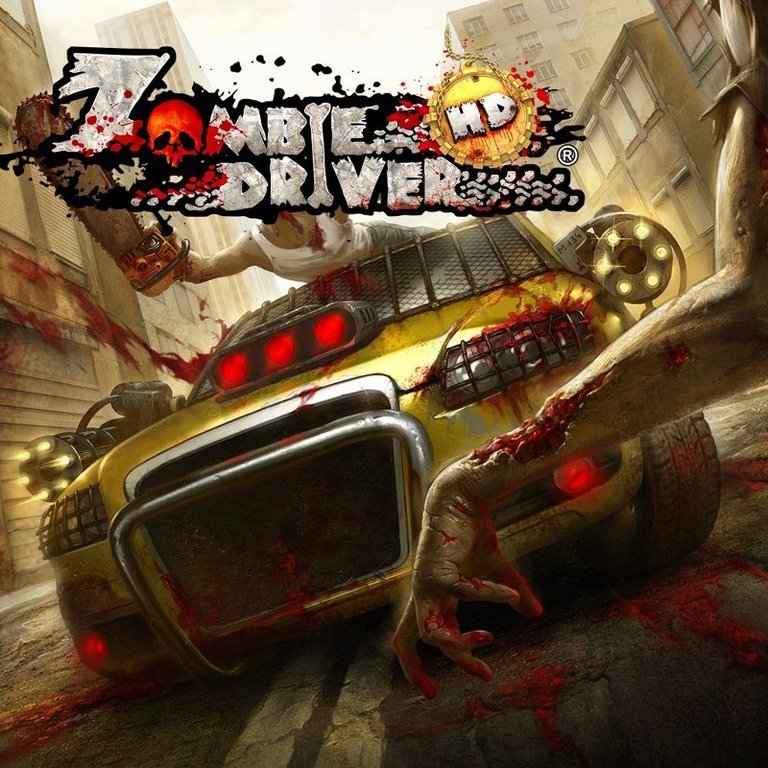
Zombie Driver HD: Complete Edition is a vehicular combat game set in a city overrun by zombies following a chemical accident or secret government project. Players drive and upgrade vehicles to undertake missions such as rescuing stranded civilians and slaughtering the undead, with this compilation including the base game and all DLC expansions for a full apocalyptic driving experience.
Gameplay Videos
Zombie Driver HD: Complete Edition Reviews & Reception
mgrgaming.com : Whether you are a returning Zombie Driver or a new one, this game will give you countless hours of fun!
metacritic.com (64/100): It’s a fun game with a surprising amount of content for ten dollars.
eurogamer.net : it’s a pretty good game. Not a great one, but a better-than-expected diversion.
Zombie Driver HD: Complete Edition: A Cult Classic of Vehicular Undead Annihilation
As a historian of interactive entertainment, one learns to appreciate games that wear their hearts—and their their lack of pretension—on their sleeve. In an era saturated with zombie narratives, from solemn survival dramas to intricate志向 stratégies, Zombie Driver HD: Complete Edition stands apart as a glorious, unapologetic monument to pure, unadulterated carnage. This compilation, gathering the HD remaster and all its DLC, represents the definitive expression of a simple, brilliant premise: what if, instead of shooting zombies, you drove through them? This review will argue that while Zombie Driver HD is riddled with the technical and design limitations of its mid-2000s indie origins and suffers from a critical blind spot regarding multiplayer, its core gameplay loop is so viscerally satisfying, its tone so perfectly pitched between schlock and sincerity, and its package so generously complete that it secures a permanent, if niche, place in the canon of vehicular combat titles.
Development History & Context: From Source Mod to Steam Darling
Zombie Driver HD did not emerge from a vacuum; it is the product of a specific Polish indie scene and a developer with a clear lineage. The game was created by EXOR Studios, a team whose previous project, D.I.P.R.I.P. (Destroyed in Pieces, Riots in Peace), was a well-regarded Source Engine multiplayer car-combat mod. As documented on the now-defunct official site (archived via ZombieDriver.com), the shift from a team-based multiplayer mod to a single-player oriented, zombie-focused title was a calculated business decision. The team realized that to fully realize their dream of a polished D.I.P.R.I.P., they needed the financial and developmental breathing room a standalone commercial release would provide. Thus, Zombie Driver was born, built on open-source technology: the Ogre3D rendering engine and NVIDIA’s PhysX for physics simulation. This technical stack was indicative of its time—ambitious for a small team, leveraging free tools to compete, but also constrained by the era’s hardware, leading to a distinctive isometric, top-down view that could handle the promised “dozens of zombies on-screen” and granular physics without a AAA budget.
The original Zombie Driver launched on PC via Steam in December 2009, riding the wave of digital distribution that was empowering small studios. Its release was quiet but competent, finding an audience through word-of-mouth. The true turning point was Zombie Driver HD in 2012. This was not merely a port but a substantial overhaul, coinciding with the rise of Xbox Live Arcade and PlayStation Network as viable platforms for “core” indie experiences. The HD version added a rechargeable nitro system, boss fights, new mission types (defense, cargo transport, chemical spraying), and crucially, the Slaughter (survival arena) and Blood Race (competitive tournament) modes. It also incorporated the “Summer of Slaughter” DLC. The Complete Edition (2014) finalized this journey, bundling every piece of DLC—Apocalypse Pack, Tropical Race Rage, Burning Garden of Slaughter, Brutal Car Skins, and the soundtrack—onto a single disc/download, representing EXOR’s commitment to supporting and iterating on their creation across a five-year lifecycle. This era (2009-2014) was the golden age of the “HD remaster” and the “complete edition,” and Zombie Driver HD exemplifies how an indie title could be nurtured, expanded, and repackaged for maximum value.
Narrative & Thematic Deep Dive: More Than an Excuse Plot
On the surface, the narrative is pure Excuse Plot (as TV Tropes accurately notes): a chemical plant explosion (courtesy of a MegaCorp) creates a Zombie Apocalypse in an unnamed city. You, an unnamed taxi driver and Action Survivor, are enlisted by a General Ripper (dubbed “General Blofeld” by fans) to rescue survivors and, for a fee from the mayor, “profit” from every zombie killed. The dialogue is cheesy, the voice acting (added in a 2010 update) is endearingly flat, and the setup is a generic genre trope.
However, to dismiss it as merely an excuse would be a profound mistake. The narrative succeeds through Ominous Implications and a Downer Ending that elevates it beyond functional window dressing. Midway through the 31-mission Story Mode, a pivotal mission—”Operation Dead Cat”—results in the player character being scratched by a zombified cat. From that point forward, Subtle hints accumulate: survivors comment on your pallor, you cough, your health subtly degrades. You are Secretly Dying, a Determinator pushing through missions while the infection takes hold. The climax is a masterpiece of bleak irony: after completing all objectives, you must Outrun the Fireball in a city about to be nuked. You escape the blast, only to crash on a rockslide. The final screen shows your corpse reanimating, and you earn the “Zombie Driver” achievement. You didn’t save the city; you became the new patient zero. The Double-Meaning Title is revealed: you are literally a driver, now literally a zombie.
This narrative arc accomplishes several things. It provides a stark, thematic through-line that the repetitive gameplay suddenly reframes as a tragic, futile struggle. It comments on the Militaries Are Useless trope—the military makes backroom deals and perhaps covers up the outbreak, while a lone, infected civilian is their most effective asset. Most importantly, it gives the carnage a melancholic weight. The Wham Episode of the cat scratch retroactively colors every preceding mission, making the player’s crusade not just about points and upgrades, but a desperate, dying man’s last stand. It’s a surprisingly sophisticated narrative trick for a game whose primary feedback loop is “crunch = cash.”
Gameplay Mechanics & Systems: The Art of the Combo
The genius of Zombie Driver HD lies in its core gameplay loop, a masterclass in simple, addictive feedback. You control a vehicle from a tightly framed isometric chase-cam perspective. Driving feels akin to Grand Theft Auto 2—weighty but responsive, with a handbrake for tight turns. The primary weapon is your vehicle itself: Car Fu. Zombies are Made of Plasticine, bursting into satisfying chunks and gore upon impact. The genius mechanic is the Combo System. Each zombie hit builds a multiplier, displayed prominently. Run over a group, use different parts of your car (hood, sides), and switch weapons to maximize the meter. A high combo means more cash at the end of the mission. This creates a constant, rhythmic tension: do you rescue the survivor marked on your map, or do you circle back to clear that last horde for a bigger multiplier? The game consistently answers: “Do both, if you’re good enough.”
Vehicle Progression is the other pillar. You start with a humble Taxi (Jack of All Stats). Through mission performance and exploration, you unlock 12 additional vehicles (13 total), each a clear Character Class archetype:
* Fragile Speedster: The Sports Car—fast, fragile, low passenger capacity.
* Mighty Glacier: The City Bus—slow, handles poorly, but with stellar armor and the game’s highest survivor capacity, turning rescue missions into one-trip tours.
* Stone Wall: The Limo—high armor, high capacity.
* Glass Cannon: The Ambulance—powerful ramming, low armor.
* Lightning Bruiser: The Military Supercar—excellent in all stats except capacity.
* Big Damn Heroes: The Police Car and Fire Truck are utilitarian middle-options.
* Tank Goodness: The T-80 Battle Tank (in specific HD missions)—zero slowdown, unlimited ammo, a devastating power fantasy.
Each vehicle can be upgraded with nine improvements across armor, speed, and ramming power. Weapons (miniguns, flamethrowers, rockets, railguns) are shared across all vehicles. This creates a compelling “which tool for this job?” meta-game. The HD version’s rechargeable nitro is a crucial Anti-Frustration Feature, allowing you to power through zombie clusters and the deadly Fat Zombies (Boomer expies that explode on proximity).
The game modes flesh out the package:
1. Story Mode: 31 missions in a large, free-roaming city sandbox. Objectives vary: rescue X survivors, defend a location against waves, destroy zombie spawners (which cause exploding, area-clearing blasts), deliver chemical repellent, and fight Epic Boss Fights against mutated behemoths. The sandbox is tragically underutilized; as Eurogamer noted, the most fun is often had after objectives are complete, exploring for power-ups and carnage.
2. Slaughter Mode: A pure Endless Game across 7 arenas. Survive waves, grab dynamic upgrades (weapon power-ups appear after each wave). It’s a fantastic Score Attack sandbox but is hampered by its stupidly small areas, a major Fridge Logic flaw. Why confine the ultimate zombie slaughter to a parking lot when the entire city exists?
3. Blood Race: A tournament of 30 events across three types: Race (zombie-infested circuits), Eliminator (vehicular combat deathmatches), and Endurance (bomb-checkpoint races). This is where the lack of multiplayer is most acutely felt. As Eurogamer’s review seethes, this inexplicable oversight transforms what could have been a genre highlight—Twisted Metal meets Micro Machines—into a frustrating bore against simplistic AI.
The Flawed Systems are evident. The mission structure becomes repetitive, as Total PC Gaming noted: “Good fun until the novelty wears off. Which doesn’t take that long, sadly.” The camera can feel disorienting initially. The economy is straightforward, and the “You Break It, You Profit” mentality (every destructible object gives cash) can feel shallow. Yet, the moment-to-moment driving physics and combat feedback are so polished and impactful that these flaws are often forgiven in the heat of a high-combo, nitro-charged zombie-mangling run.
World-Building, Art & Sound: A Grisly, Arcade Sandbox
Zombie Driver HD’s setting is a Post-Apocalyptic urban sprawl rendered in a clean, slightly stylized, but grimy top-down style. The visual upgrade in the HD version is significant: more realistic weather, fire, smoke, and explosion effects (powered by PhysX). The city is a playground of destructibility—phone booths, fences, park benches, parked cars (Every Car Is a Pinto), all physics-enabled objects waiting to be obliterated. This creates a tangible sense of weight and consequence; you’re not just driving over sprites, you’re crashing through a reactive world.
The art direction is functional arcade realism. Zombies are varied: shamblers, runners (dogs), throwers, and the Fat Zombies. Their Zombie Gait is classic, but the dogs add a frantic, unpredictable threat. Mutant plant life from a later DLC adds another visual and gameplay layer. The atmosphere is one of chaotic, over-the-top violence, leaning into the Gorn aesthetic. Blood splatters, bodies dismember, and explosions are constant and spectacular.
The sound design is perfectly serviceable and effective. Engine roars, the satisfying crunch of impacts, the whoosh of nitros, and the cacophony of gunfire (machine guns, gatling-style, rocket launches) all provide crucial auditory feedback. The rock soundtrack (included in the Complete Edition’s soundtrack) is generic but energetic, fueling the adrenaline. Voice acting, as noted, is famously So Bad, It’s Good, adding to the B-movie charm.
What’s missing is a deeper, more oppressive sense of horror or decay. This is not the bleak dread of The Last of Us; it’s the Exploitation Cinema version of a zombie apocalypse—bright, bloody, and fundamentally fun.
Reception & Legacy: A Tale of Two Scores
Zombie Driver HD’s reception is a perfect study in the divide between critical consensus and player reception.
- Critical Reception (at launch): Mixed to Average. Metacritic scores hovered at 62/100 (X360) and 60/100 (PC). Reviews consistently praised the core fun and value but criticized its repetitiveness, lack of multiplayer, and underdeveloped sandbox. As quoted: “It’s straightforward, meaty gameplay, but the lack of multiplayer feels a little brain-dead” (X-ONE Magazine). “The single-player package stretches the pretty basic gameplay worryingly thin” (Thunderbolt). Eurogamer’s 6/10 review is perhaps the most balanced, lauding the “tangible joy” of plowing through hordes while lamenting the squandered potential and the “outrageous omission” of any multiplayer.
- Player/Steam Reception: Overwhelmingly Positive. On Steam, Zombie Driver HD sports a “Very Positive” rating (83/100) from over 4,000 reviews. This massive gulf between critic and player scores is telling. It suggests that the audience for Zombie Driver HD is not seeking a groundbreaking narrative or a competitive multiplayer experience. They are seeking a specific, cathartic power fantasy: the unadulterated, combo-building, car-based destruction of hordes. The game delivers this so competently that its flaws are irrelevant to its core audience. The Complete Edition’s bundling of all content further cemented its reputation as a premium value proposition for this niche.
Legacy and Influence is subtle but present. It did not redefine the vehicular combat genre in the way Twisted Metal did, nor did it innovate in zombie games. Instead, it carved out a specific sub-niche: the top-down, isometric, co-op-lite (single-player focused) zombie slaughter simulator. Its influence can be seen in later indie titles that prioritize a single, excellently-executed gameplay loop over breadth. More directly, it forms the foundational pillar of EXOR Studios’ subsequent success. The team parlayed the experience, technology (Ogre3D, their own X-Morph: Defense engine), and reputation from the Zombie Driver series into the well-received tower defense/action hybrid X-Morph: Defense and the promising The Riftbreaker. The series itself saw “Ultimate Edition” ports to Xbox One (2014), Nintendo Switch (“Immortal Edition,” 2019), and PlayStation 4 (2020), proving its staying power and cross-generational appeal.
Conclusion: The Final Verdict on an Unlikely Cult Hero
Zombie Driver HD: Complete Edition is a profound lesson in game design priorities. It is not an ambitious, genre-pushing title. It is not a narrative masterpiece. Its multiplayer omission is a glaring, indefensible flaw. Yet, these absences do not diminish what it does achieve: a near-flawless, endlessly replayable arcade action loop. The visceral feedback of impact, the strategic depth of the combo system, the satisfying progression of unlocking and upgrading a garage of absurd vehicles, and the surprisingly effective late-game narrative twist combine to form an experience that is greater than the sum of its parts.
As a historian, I place it not alongside the Icos or Elder Scrolls of the world, but in the honorable lineage of Midway arcade classics and PC shareware gems—games like Carmageddon or Twisted Metal 2 that understood that sometimes, the primary goal is to turn the player into an unstoppable force of spectacular, silly destruction. Zombie Driver HD: Complete Edition is the definitive version of that commitment. It is a flawed, repetitive, single-player-only, B-movie romp that, against all critical odds, is quite simply one of the most fun and enduringly playable indie games of the 2010s. For anyone who understands the simple, primal joy of a perfectly executed, high-combo, nitro-boosted massacre of the undead, this is an essential, historically significant title. It is a testament to the fact that in game development, as in life, sometimes going back to basics and executing them with relentless, joyful competence is more than enough to build a legacy. Zombie Driver HD: Complete Edition is not a forgotten gem—it’s a deliberately rough, incredibly polished diamond in the rough, and it deserves its cult status.